
 EN
EN
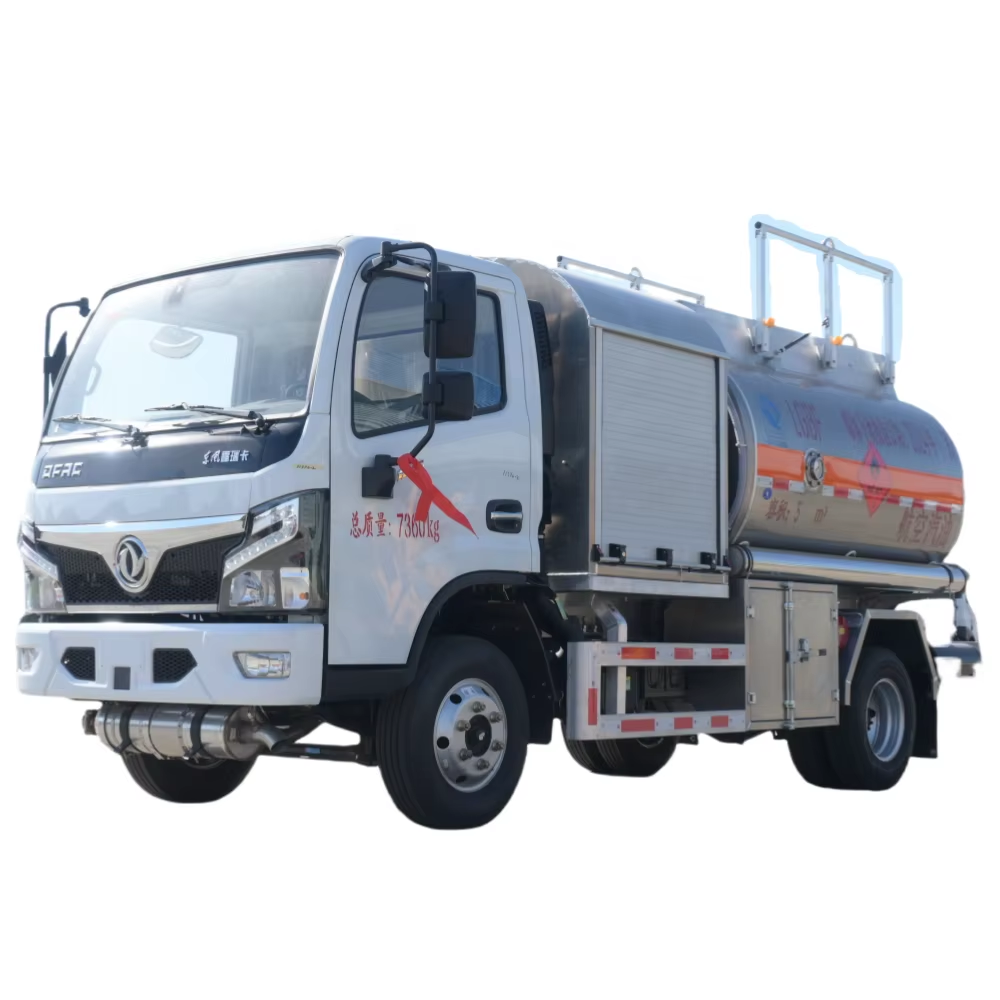
Advanced Technologies in Aircraft Refueling Trucks
Precision Metering Systems for Fuel Accuracy
Getting accurate fuel measurements is really important for those big aircraft refueling trucks. Without proper precision, there could be serious problems with how much fuel actually gets into planes. Modern systems now use things like high resolution flow meters along with digital monitoring equipment to track exactly what's happening during refuelings. These tech upgrades matter because even small measurement errors can impact flight performance down the road. We've seen some pretty neat improvements lately too. Take volumetric and Coriolis type metering methods for instance they cut down on measurement mistakes so operators know they're getting close to perfect readings most of the time. And let's face it, this level of accuracy saves money in the long run while keeping everyone safe. Some recent studies show that when airlines invest in better metering technology, they typically see around a 20% reduction in fuel discrepancies across their fleet operations.
High-Efficiency Pumping Mechanisms
The pumps used in modern refueling trucks make a big difference when it comes to cutting down on energy waste during fuel transfers. Most systems actually combine different types of pumps - think centrifugal ones that move fuel fast, and positive displacement models that maintain steady pressure throughout the process. This mix allows operators to handle all sorts of refueling situations efficiently. According to recent studies shared at aviation fuel conferences, newer pump designs have already helped reduce energy consumption by around 15%. That kind of improvement matters a lot for companies looking to cut costs while meeting environmental goals. Industry regulators are also pushing harder for greener solutions, so we're likely going to see even more focus on energy efficient equipment in coming years as part of broader sustainability efforts across the sector.
Integrated Safety Assurance Protocols
Safety protocols built into aircraft refueling trucks play a critical role in keeping everyone safe around planes. Regular checks and proper certification make up the backbone of any good safety plan for these vehicles. Important features include grounding systems that stop static build-up which can cause sparks, plus detectors that pick up on flammable gases before they become dangerous. The FAA reports that when these safety features were put in place, accident numbers dropped quite a bit. Another big improvement came with emergency shut off systems. When something goes wrong, these systems kick in fast to stop fuel flow, protecting workers and expensive equipment alike from serious damage or injury during unexpected situations.
Critical Safety Protocols for Fuel Tanker Truck Operations
Electrostatic Grounding and Bonding Procedures
Grounding and bonding practices help stop fires when transferring fuel between tanker trucks and aircraft. Static electricity builds up naturally during these operations and needs somewhere safe to go. The basic process involves connecting a grounding cable from the truck to the plane right before starting the fuel transfer. NFPA guidelines back this approach as an effective way to cut down on sparks that could lead to dangerous situations. Real world examples show just how important proper grounding can be. One incident at an airport was avoided entirely thanks to correct bonding procedures, saving both equipment and personnel from serious harm.
Emergency Cut-Off Systems and Fire Prevention
Cut off systems represent one of those essential safety measures for fuel tankers, basically there to shut down fuel flow fast when something goes wrong like leaks or potential fires. When these systems kick in, they automatically stop the fuel moving around once they sense anything unusual, which cuts down on fire risks significantly. Most modern tankers have these systems connected right into their fire suppression equipment too, making them kind of the frontline protection against dangerous situations. Looking at actual numbers from industry studies, we see fire incidents dropping pretty dramatically since good quality cut off systems became standard equipment. This makes perfect sense considering what happens during emergencies where every second counts. Tanker manufacturers now treat these systems not just as optional extras but as core components in their design process because nobody wants to deal with catastrophic failures on highways or loading docks.
Static Electricity Risks in Tanker Truck Design
The threat of static electricity remains a serious concern when operating tanker trucks, especially during the actual fuel transfer process. Tanker manufacturers have developed several ways to reduce these dangers, incorporating things like conductive materials into their designs along with special vent systems. Take conductive hoses and nozzles for example they actually help get rid of those dangerous static charges before they can build up. Looking at past accidents paints a pretty grim picture too. Industry data shows dozens of cases where sparks from static buildup caused fires or explosions at loading docks. Real world experience tells us that proper equipment design isn't just nice to have it's absolutely essential for keeping both workers and facilities safe from potentially catastrophic events related to static discharge in fuel transportation.
Case Studies: Lessons from Refueling Incidents
Misfueling Accidents and Their Consequences
When planes get filled with the wrong kind of fuel, it's not just a minor inconvenience but a serious danger to everyone onboard. Take the case from 2015 where a Piper Aerostar went down because mechanics put Jet-A fuel into an aircraft that needed regular aviation gasoline. Tragically, people lost their lives in this accident. Most of these mistakes come down to simple human errors really. Pilots and ground crews sometimes rush through procedures when time is tight, especially since different planes require completely different fuels. Just imagine what happens when someone misunderstands which tank gets filled first during a busy morning at the airport. Air bp did some research recently and found that incorrect fueling still ranks among the top safety concerns for aviation. And while these events don't happen every day, they cost airlines millions each year in repairs, delays, and damage to their reputation for safety.
Fuel Tanker Fire Caused by Static Ignition
Fuel tankers face serious fire hazards when static electricity builds up during operations. We've seen plenty of cases where sparks from static charge have set off major fires at loading docks and storage facilities. One particular accident investigation showed how improper grounding during fuel transfer allowed static to accumulate until it sparked an explosion. That's why organizations like the NFPA have created strict rules about bonding equipment and following proper grounding procedures. These standards aren't just paperwork requirements they're lifesaving measures based on real world disasters. The truth is, companies that cut corners on static control end up paying the price in both dollars and lives lost. Regular checks and updates to safety practices remain essential for anyone working with flammable materials.
Human Error vs. Equipment Failure Analysis
When it comes to aviation fueling operations, mistakes made by people and problems with equipment can both lead to accidents, though they tend to create different kinds of trouble. People sometimes get things wrong because they haven't been properly trained or there's confusion during communication, which often results in putting the wrong fuel into aircraft engines. These kinds of errors show up all the time in risk assessments for airport operations. Equipment problems are another story entirely. Think about broken fuel hoses or old school fuel trucks that just aren't maintained properly anymore. These issues can actually cause immediate dangers like fuel leaking everywhere or even starting fires at the terminal. Industry reports consistently point out that better training programs for staff combined with regular checkups on all the machinery really cuts down on these problems. Most professionals in the field recommend going beyond basic fixes and instead implement comprehensive safety management systems that tackle both human factors and mechanical reliability together. This approach helps keep refueling operations running smoothly without compromising anyone's safety.
Fuel Quality Control in Aviation Tanker Trucks
Testing for Water Contamination in Jet Fuel
Testing jet fuel for water contamination isn't just important it's absolutely critical for keeping planes running safely. Pilots and mechanics rely on tests like the Water Indicating Paste method and simple visual checks to spot any moisture in the fuel system. Left alone, even small amounts of water can cause big problems down the line from engine trouble all the way to complete shutdowns mid-flight. Aviation groups such as IATA have strict rules about what counts as too much water in fuel. The standard limit stands at around 30 parts per million ppm, but getting these measurements right matters because flying with contaminated fuel puts everyone onboard at risk. That's why regular testing remains non-negotiable across the aviation industry.
Preventing Cross-Contamination Between Fuel Grades
Keeping different fuel grades separate in tanker trucks isn't just important—it's absolutely vital for keeping planes safe in the air. Most companies have found success by implementing clear labeling systems combined with color coding on both storage tanks and transfer hoses inside their tankers. This helps ground crews quickly identify which fuel goes where during those hectic loading operations. Remember back in 2018 when an airport had to ground half its fleet after someone accidentally mixed jet fuel with diesel? That kind of mistake costs millions and puts lives at risk. To prevent disasters like that, most airports now require monthly training sessions for all fueling staff plus quarterly checks of all equipment. These simple but effective measures save money in the long run while maintaining strict safety standards across the aviation industry.
Real-Time Monitoring of Fuel Purity
Real time monitoring tech for fuel purity in tankers makes spotting impurities much easier. Modern systems come equipped with smart sensors and automated processes that keep checking fuel quality constantly throughout transport. When something goes wrong, operators get alerts right away so they can fix problems before bad fuel reaches its destination. This kind of ongoing watch cuts down on chances of using contaminated fuel, which means better quality control across the board. Industry reports show that companies adopting this tech have seen around 30% fewer issues related to poor fuel quality. For airlines especially, where even small amounts of contamination matter a lot, these improvements represent a major step forward in keeping their operations running smoothly without compromising safety standards.
Future Innovations in Refueling Truck Safety
Automated Misfuel Prevention Technologies
New automated systems for preventing misfueling are making refueling trucks much safer by cutting down on those accidental fuel mix-ups. The technology typically includes sensors that spot when the wrong kind of fuel is being pumped and then shut off the system before anything bad happens. We've seen this work well in practice too. Some trucking companies report their drivers get alerts almost instantly when there's a mismatch between what's in the tank and what's coming out of the pump. These alerts stop the whole process right away. Preventing these mistakes matters because getting the wrong fuel into a vehicle can cause all sorts of problems from engine damage to potential fire risks down the road.
AI-Driven Predictive Maintenance Systems
Predictive maintenance powered by artificial intelligence is changing how we keep refueling trucks running safely and without problems. These smart systems look at data patterns to spot when parts might fail before they actually break down, giving technicians time to fix things before there's an emergency on the road. The benefits go beyond just avoiding breakdowns too. Companies report around 30% fewer delays caused by maintenance issues since implementing this technology. For fleet managers, being able to schedule repairs during regular maintenance checks rather than dealing with sudden breakdowns means smoother day-to-day operations. Plus, trucks last longer overall because wear and tear gets addressed properly instead of letting small problems turn into big ones over time.
Enhanced Fire Suppression for Tanker Trucks
New developments in fire suppression tech matter a lot for those big trucks carrying aviation fuel. They need systems that work fast when flames start, which is why manufacturers keep pushing for better detection and quicker extinguishing capabilities. Some real world tests showed how these improved systems actually stop fires before they spread too far, protecting both people working around the tanks and expensive equipment nearby. Fuel transport companies that install this kind of technology aren't just following regulations but making smart business decisions too. After all, keeping aviation fuel safe during transit remains one of the most critical aspects of air travel infrastructure.