
 EN
EN
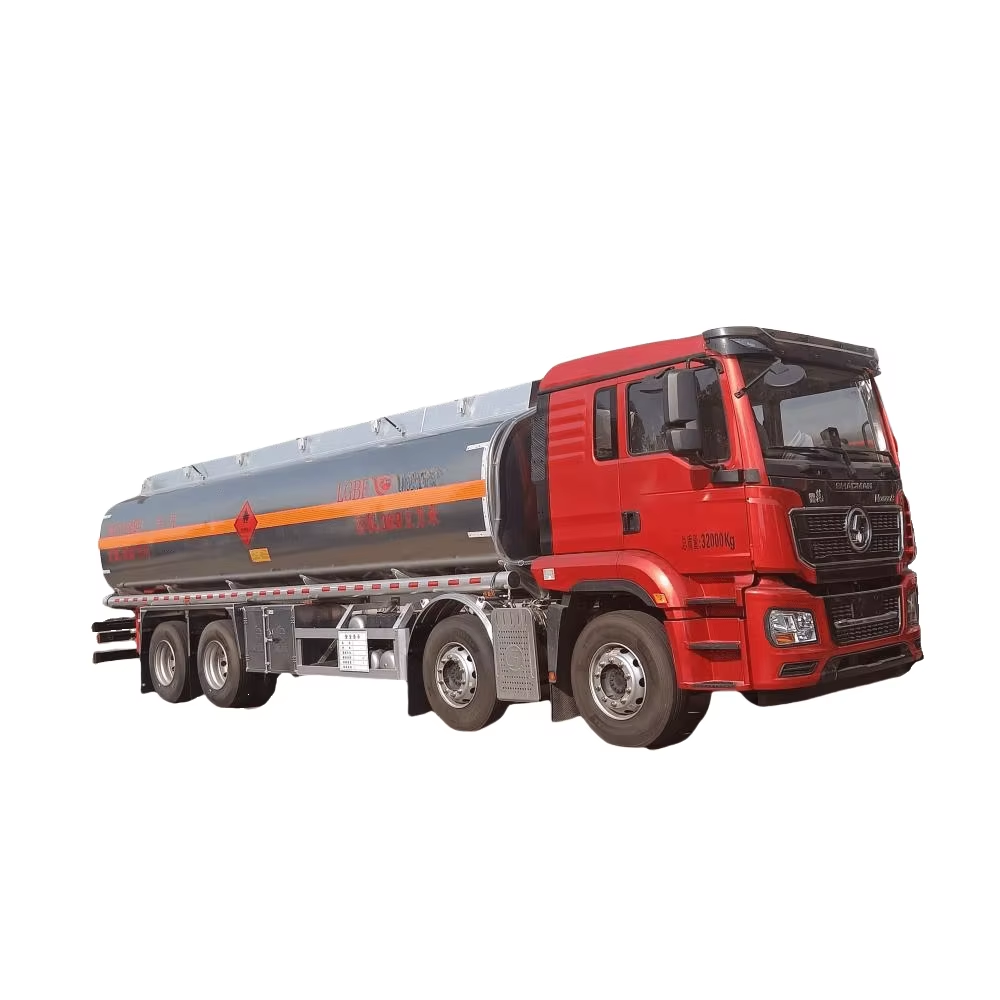
Թերմոայդրապաստակով ցիստեռն-տրեյլերների շահագործման ժամանակ առաջացող ջերմային մարտահրավերների հասկացություն
Աճող էներգետիկ պահանջարկը՝ աշխարհահռչակ սառը շղթայի ընդարձակման պատճառով
Ըստ 2023 թվականի Allied Market Research-ի տվյալների, համաշխարհային ցածր ջերմաստիճանային շղթայի արդյունաբերությունը պետք է տարեկան աճի մոտ 14%՝ մինչև 2030 թվականը: Այս ընդարձակումը հիմնականում պայմանավորված է դեղորայքի փոխադրմամբ և արագ փչացող թարմ սննդի տեղափոխմամբ: Այսօր ճանապարհներին գտնվող սառեցված տանկերի մոտ 38%-ը մեկուսացված տանկեր են: Սառեցման համար անհրաժեշտ էներգիան 2020 թվականի սկզբից աճել է գրեթե 25%: Կազմակերպությունները մեծ մարտահրավերի առջև են կանգնած՝ փորձելով պահպանել ճիշտ ջերմաստիճանը՝ միաժամանակ տնտեսելով վառելիքի ծախսերը: Այս խնդիրը ավելի մեծ է դառնում տաք կլիմայով շրջաններում, ինչպիսիք են Մերձավոր Արևելքի և Հարավարևելյան Ասիայի մասերը, որտեղ ամառային օրերին ջերմաստիճանը հաճախ հասնում է 40 աստիճան Ցելսիուսի (կամ 104 Ֆարենհայթ): Այս շրջանների տրանսպորտային մենեջերների համար ավելորդ գազ չայրելով ապրանքների անվտանգությունը պահպանելը դեռևս մեծ հավասարակշռության խնդիր է:
Ջերմափոխանցման դինամիկան հեղուկ գազերի և սառեցված տրանսպորտի դեպքում
Երեք հիմնական ջերմափոխանցման մեխանիզմներ են դժվարացնում մեկուսացված տանկերի տանկերի աշխատանքը.
- Ջերմահաղորդականության կորուստներ տաքացման պողպատե պատերի միջով, նվազեցված՝ օգտագործելով պոլիուրեթանային փրփուր, որի ջերմահաղորդականությունը 0.022 Վտ/մ·Կ է
- Կոնվեկտիվ ջերմության ստացում արագընթաց շահագործման ընթացքում օդի շարժումից
- Ճառագայթային ջերմության կլանում անապատային կլիմայում, որտեղ արևային բեռը կարող է հասնել մինչև 900 Վտ/մ²
Լիքվացված բնական գազի (LNG) տեղափոխումը պահանջում է -162°C պահպանել, որը ֆարմացեւտիկական ավտոշենքերի համեմատ ծախսում է 15-20% ավելի շատ էներգիա՝ 2-8°C ռեժիմում, քանի որ ջերմային տարբերությունները ավելի մեծ են:
Շրջակա միջավայրի պայմանների ազդեցությունը ջերմամեկուսացման արդյունավետության վրա
Ջերմամեկուսացման արդյունավետությունը նվազում է 9-12% յուրաքանչյուր 10°C-ով արտաքին ջերմաստիճանի բարձրացման դեպքում՝ հիմնվելով 500 ավտոշենքերի ջերմային պատկերացման ուսումնասիրությունների վրա: Անապատային շահագործման դեպքում դիտվում է.
| Պայման | Ջերմաստիճանային տարբերություն | Ջերմամեկուսացման արդյունավետության կորուստ |
|---|---|---|
| 35°C Շրջակա միջավայր | 27°C | 6.8% |
| 50°C Բարձր ջերմություն | 42°C | 18.1% |
| Ծովափնյա խոնավություն | Բացակայություն նեղձելիքներում | 9.3% Տարածման աճ |
Այս պայմանները պահանջում են գոլորշու վտարիչներ և ջերմային ընդհատումներ ներառող ճկուն մեկուսացման նախագծում՝ խոնավության թափանցման կանխարգելման և երկարաժամկետ արդյունավետության պահպանման համար:
Ջերմային արդյունավետության օպտիմալացման հիմնական սկզբունքներ
Արդյունավետ ջերմային կառավարում մեկուսացված ցիստեռնային տանկերում հիմնված է երեք փոխկապված ինժեներական ստրատեգիաների վրա՝ ջերմափոխանցման նվազեցում, սառեցման թերմոդինամիկայի օպտիմալացում և մեկուսացման, բեռի և վառելիքի տնտեսության համար նախատեսված դիզայնի փոխզիջումների հավասարակշռում:
Առաջադեմ մեկուսացված պատերի դիզայնի միջոցով ջերմափոխանցման նվազեցում
Ժամանակակից ցիստեռները օգտագործում են բազմաշերտ մեկուսացման համակարգեր՝ միավորելով պոլիուրեթանային փրփուրի սրտիկներ ճառագայթային վարակակիր թաղանթների հետ, որոնք ջերմային դիմադրության արժեքներ են ապահովում 30%-ով բարձր, քան ավանդական դիզայները (Միջազգային սառը շղթայի զեկույց, 2023): Շերտերի հատակների դասավորությունը վերացնում է ջերմային կամուրջները՝ կոնդուկտիվ ջերմաստիճանի աճը 18-22% նվազեցնելով բարձր ջերմաստիճանային պայմաններում:
CO2-ի վրա հիմնված սառեցման համակարգերում թերմոդինամիկական արդյունավետություն
Ենթակրիտիկական ռեժիմներում CO2-ի վրա հիմնված սառեցման սարքերը Ֆրեոնի այլընտրանքների համեմատ 40% ավելի բարձր կատարողականության գործակից (COP) են ցուցադրում: Նրանց երկփուլային սեղմման ցիկլերը կայուն բեռնատար ջերմաստիճաններ (-25°C-ից +5°C) պահպանում են 15-20% պակաս էներգիայի ծախսով, հատկապես խոնավ կլիմայում՝ բարձր թաքնված ջերմության պայմաններում:
Մեկուսացման հաստության, բեռի տարողության և վառելիքի տնտեսության հավասարակշռում
| Պարամետր | Հաստ մեկուսացման ազդեցությունը | Բարակ մեկուսացման ազդեցությունը |
|---|---|---|
| Էներգիայի կորուստ | -45% ինչպես -60% | Հիմք |
| Օգտակար բեռի կարողություն | -12% ինչպես -18% | +8% ինչպես +12% |
| Ածխի արդյունավետություն | -9% ինչպես -15% | +5% ինչպես +7% |
Ճարտարագետները այս հավասարակշռությունը օպտիմալացնում են վերջավոր տարրերի անալիզի միջոցով՝ առաջնահերթություն տալով մեկուսացման բարելավմանը այն երթուղիներում, որտեղ ջերմաստիճանային տարբերությունները ծայրահեղ են, մինչդեռ բարեխառն կլիմայում օգտագործվում են ավելի բարակ պրոֆիլներ՝ բեռի տարողությունն առավելագույնի հասցնելու համար։ Ընդհանուր կոնստրուկցիաները վառելիքի համակարգերի միջոցով վերականգնում են սառեցման էներգիայի 20-25%:
Նորարարական նյութեր, որոնք բարելավում են մեկուսացման արդյունավետությունը
Վակուումային թերմամեկուսացված սալիկներ (VIPs) և պոլիուրեթանային փրփուր. Կատարողականի համեմատություն
Վակուումային թերմամեկուսացված սալիկները՝ VIP-ները, կարող են հասնել 0.004 Վտ/մ·Կ ջերմահաղորդականության մակարդակի՝ համաձայն ASHRAE 2023 թվականի ստանդարտների, ինչը նրանց շատ առաջ է տալիս սովորական պոլիուրեթանային փրփրից, որն ունի մոտ 0.022 Վտ/մ·Կ: Սա նշանակում է, որ VIP-ները մոտ 80% ավելի լավ են դիմադրում ջերմության փոխանցմանը: Այս սալիկների իրական առավելությունը տարածքի խնայողությունն է: Քանի որ նրանք օժտված են բացառիկ ջերմամեկուսացմամբ, արտադրողները կարող են մոտ 30% նվազեցնել մեկուսացման հաստությունը՝ նույն կատարողականը պահպանելով: Իրական պայմաններում փորձարկումներն էլ ցույց են տվել գերազանց արդյունքներ: Վակուումային մեկուսացված սառեցվող տարաներով բեռնատարները երեք օրով պահել են ջերմաստիճանի կայունությունը՝ տատանվելով ընդամենը կես աստիճան Ցելսիուսով, նույնիսկ այն դեպքում, երբ արտաքին ջերմաստիճանը հասել է 35 աստիճան Ցելսիուսի: Համեմատեք սովորական պոլիուրեթանային մեկուսացված տարաներով բեռնատարների հետ, որտեղ ջերմաստիճանները սովորաբար տատանվում էին մոտ երկու աստիճանով նույն ժամանակահատվածում:
Փուլային փոփոխությունների նյութեր (PCMs) ներքին ջերմաստիճանները կայունացնելու համար
Փուլային փոփոխությունների նյութերը կարող են կլանել 140-ից մինչև 220 կիլոջուլ էներգիա մեկ կիլոգրամի վրա, երբ անցնում են իրենց փուլային փոփոխությունների միջոցով, որը օգնում է պաշտպանվել ջերմաստիճանի կտրուկ փոփոխություններից՝ օրինակ՝ հեղուկացված գազերի և դեղամիջոցների տեղափոխման ժամանակ: Երբ պարաֆինային PCM ներարկումները տեղադրվում են տանկերի պատերի մեջ, դրանք քառորդով կրճատում են սառեցման համակարգերի աշխատանքի տևողությունը այնպիսի բարդ քաղաքային պայմաններում, որտեղ երթևեկությունը անընդհատ կանգնում է և սկսվում: Եվ երբ դռները բացվում են, այդ նյութերը կլանում են այն ջերմության մոտ երկու երրորդը, որը հակառակ դեպքում ներխուժելու էր, պահելով ջերմաստիճանը կարևորագույն -25°C-ից մինչև -18°C սահմաններում՝ սառեցված ապրանքները ճիշտ պահպանելու համար:
Նանոկոմպոզիտային ծածկույթներ և արտացոլող արգելակներ տանկերի կոնստրուկցիայում
Ալյումինով լեգիրված նանոկոմպոզիտային ծածկույթները արտացոլում են ինֆրակարմիր ճառագայթման 97%-ը և դիմադրում ուլտրամանուշակագույն ճառագայթների քայքայմանը, ինչը ստանդարտ մակերեսների համեմատ 40%-ով երկարացնում է մեկուսացման կյանքի տևողությունը (Կիրառական ջերմային ճարտարագիտություն 2024): Աերոգելով հարստացված միջադիր գործվածքների հետ համատեղելիս բազմաշերտ անդրադարձնող արգելքները 18%-ով բարելավում են ջերմային պահպանումը երկրի տարբեր մասերով տեղաշարժերի ժամանակ, կրճատելով տարեկան վառելիքի սպառումը մեկ տրանսպորտային միջոցի համար 3200 լիտրով:
Խելացի տեխնոլոգիաներ, որոնք բարձրացնում են էներգաօգտագործման արդյունավետությունը իրական կիրառություններում
IoT-ով ապահովված ջերմաստիճանի հսկում և հարմարվող սառեցման համակարգեր
IoT սենսորները թույլատրում են իրական ժամանակում բեռի հսկում և սառեցման արդյունքի դինամիկ կարգավորում՝ նվազեցնելով էներգիայի կորուստը 18–22%-ով՝ համեմատած ֆիքսված ցիկլային համակարգերի հետ (Energy Management Journal 2023): Այս ճշգրտությունը կարևոր է դեղամիջոցների փոխադրման համար, որտեղ պահանջվում է ±0.5°C ջերմաստիճանային կայունություն՝ հատկապես անսպասելի կանգների կամ շրջակա միջավայրի ջերմաստիճանի սրունքների դեպքում:
ԱԻ-վրա հիմնված բեռի և երթուղու օպտիմալացում՝ հիմնված եղանակային կանխատեսումների վրա
Մեքենայական ուսուցման ալգորիթմները վերլուծում են եղանակային օրինաչափությունները, երթևեկությունը և տրանսպորտային միջոցների տելեմետրիան՝ առաքման ուղիները օպտիմալացնելու համար։ Մի շարք շահագործող ընկերություն 14% վառելիքի խնայողություն է ձեռք բերել՝ խուսափելով այն ուղիներից, որտեղ բարձր ջերմաստիճանի տատանումները լարված վիճակում են պահում մեկուսացման և սառնարանային համակարգերը:
ՈՒսումնասիրություն. Փուլային փոփոխությունների նյութերով (PCM) ամրակցված պատերը բարձր ջերմաստիճանների տրանսպորտային ուղիներում
2024 թվականին ԱՄՆ-ի հարավարևմտյան շրջանում իրականացված փորձարկումը փորձարկեց փուլային փոփոխությունների նյութերի (PCM) պատերը մեկուսացված ցիստեռնային տանկերում, որոնք շահագործվում էին 45°C շրջակա ջերմաստիճանում: PCM շերտը ժամանակագրական գագաթնակետի ընթացքում 30% ավելի շատ ջերմային էներգիա կլանեց, իսկ սառնարանային սարքի շահագործման տևողությունը կրճատվեց 25%-ով՝ պահպանելով բեռի ամբողջականությունը՝ հաստատելով դրանց արդյունավետությունը բարձր լարվածության միջավայրում:
Էներգաարդյունավետության ռազմավարական ինտեգրումը շահագործող շարքերի կառավարման մեջ
Ընդհանուր ծախսերի վերլուծություն առաջադեմ և հասարակ մեկուսացման համակարգերի կյանքի տևողության ընթացքում
Ծախսերը առաջացնող առավելագույն մեկուսացման համակարգերի համար մոտ 25-40 տոկոսով ավելի բարձր են, քան ստանդարտ ապակու մանրաթելի տարբերակներինը, սակայն այս համակարգերը տարեկան էներգետիկ կորուստները կրճատում են մոտ 19-23 տոկոսով՝ ըստ 2023 թվականի սառը շղթայի տրանսպորտային տվյալների: Նայելով ավելի ընդարձակ ժամանակահատվածի՝ տասը տարվա ընթացքում, վակուումային մեկուսացված սալիկները, կամ ինչպես ընդունված է անվանել՝ VIP-ները, յուրաքանչյուր տրանսպորտային միջոցի համար սառեցման ծախսերից խնայում են տասնութ հազարից մինչև քսաներկու հազար դոլար: Իհարկե, այստեղ կա մի խնդիր. VIP-ները կարող են վնասվել, եթե սպասարկման ընթացքում ճիշտ կերպով չվերաբերվեն: Մյուս կողմից, փուլային փոփոխությունների նյութերից պատրաստված պատվանդանները հիանալի աշխատում են այնպիսի շոգ կլիմայով շրջաններում, ինչպիսիք են անապատները, որտեղ ջերմաստիճանները բարձր են հասնում: Այս PCM պատվանդանները իրականում կոմպրեսորների միացման հաճախադեպությունը կրճատում են մոտ երեսուն տոկոսով, ինչը նշանակում է, որ ընկերությունները սովորաբար երեքից մինչև հինգ տարվա ընթացքում վերականգնում են իրենց լրացուցիչ ծախսերը՝ կախված օգտագործման ձևից և տեղական պայմաններից:
Երկարաժամկետ ջերմային արդյունավետություն պահպանելու նպատակով սպասարկման գործընթացներ
Կանխատեսողական սպասարկումը ներառում է եռամսյա ինֆրակարմիր սկանավորում՝ մեկուսացման բացերը հայտնաբերելու և կեսամյա կնքման ամբողջականության փորձարկումների համար: Կանխատեսողական սպասարկման ալգորիթմներ օգտագործող շարքերը 12-ժամյա փոխադրումների ընթացքում ջերմաստիճանային կայունության առումով 12-15% ավելի լավ արդյունքներ են ցուցադրում: Վերանորոգման ընթացքում սպրեյ փուչիկի հանգույցների ճիշտ փուխրացումը կանխում է սառը կամուրջների 80%-ի առաջացումը՝ ապահովելով ISO 1496-2:2020 ստանդարտներին համապատասխանություն:
Շահառու տրանսպորտի համար կարգավորող ստանդարտներ և արդյունաբերական խրախուսանքներ
Նոր՝ 2024 թվականի EPA Phase 3 ստանդարտները պահանջում են, որ սառեցվող տրանսպորտային ընկերությունները իրենց արտանետումները կրճատեն 27%-ով, ինչը շատերին ստիպում է փոխադրամիջոցներում օգտագործել ավելի նորատիպ տեխնոլոգիաներ, ինչպիսիք են աերոժելը և վակուումային մեկուսացման նյութերը: Որոշ նահանգներ բարձրացված մեկուսացման պահանջներին համապատասխանեցնելու համար շուկայավարներին առաջարկում են հարկային զեղչեր՝ ծախսերի 15-ից մինչև 30 տոկոսը ծածկելով, մոտավորապես 0,25 Վտ/մ² Կելվին կամ ավելի լավ ցուցանիշներ: Եվրոպայում՝ EN 13094.2022 թվականի թարմացված հրահանգներին հետևող ընկերությունները տեսնում են 8-10 տոկոսանոց աճ այն բեռի քանակության մեջ, որը կարող են արդյունավետ տեղափոխել: Սա մեծ տարբերություն է առաջացնում խոշոր ֆարմացեւտիկական տրանսպորտային ընկերությունների համար, որոնք ամեն տարի միայն մեկուսացման տեխնոլոգիաների բարելավման շնորհիվ տնտեսում են մոտավորապես 4,2 միլիոն դոլար:
Հաճախ տրամադրվող հարցեր
Ինչի՞ համար են օգտագործվում մեկուսացված ցիստեռնային տանկերը
Մեկուսացված ցիստեռնային տանկերը հիմնականում օգտագործվում են կենդանի ապրող ապրանքների, ինչպիսիք են դեղամիջոցները և թարմ սննդամթերքը, տեղափոխելու համար, որոնք տրանզիտի ընթացքում պահանջում են վերահսկվող ջերմաստիճանային պայմաններ:
Արտաքին ջերմաստիճանը ինչպե՞ս է ազդում մեկուսացված ցիստեռնային տանկերի աշխատանքի վրա:
Արտաքին ջերմաստիճանը զգալիորեն ազդում է մեկուսացված ցիստեռնային տանկերի աշխատանքի վրա. շրջակա միջավայրի ջերմաստիճանի յուրաքանչյուր 10°C-ով բարձրացման դեպքում մեկուսացման արդյունավետությունը նվազում է 9–12%:
Ո՞րն են վակուումային մեկուսացված սալիկները (VIPs) և ինչպե՞ս են դրանք համեմատվում պոլիուրեթանային փրփուրների հետ մեկուսացման տեսանկյունից:
Վակուումային մեկուսացված սալիկները (VIPs) առաջադեմ մեկուսացման նյութեր են, որոնց ջերմահաղորդականությունը կարող է կազմել 0,004 Վտ/մ·Կ, ի տարբերություն ստանդարտ պոլիուրեթանային փրփրի՝ 0,022 Վտ/մ·Կ, ինչը VIP-ներին ջերմության հաղորդման դիմադրելու համար դարձնում է մոտ 80%-ով ավելի արդյունավետ:
Բովանդակության աղյուսակ
- Թերմոայդրապաստակով ցիստեռն-տրեյլերների շահագործման ժամանակ առաջացող ջերմային մարտահրավերների հասկացություն
- Ջերմային արդյունավետության օպտիմալացման հիմնական սկզբունքներ
- Նորարարական նյութեր, որոնք բարելավում են մեկուսացման արդյունավետությունը
- Խելացի տեխնոլոգիաներ, որոնք բարձրացնում են էներգաօգտագործման արդյունավետությունը իրական կիրառություններում
- Էներգաարդյունավետության ռազմավարական ինտեգրումը շահագործող շարքերի կառավարման մեջ