
 EN
EN
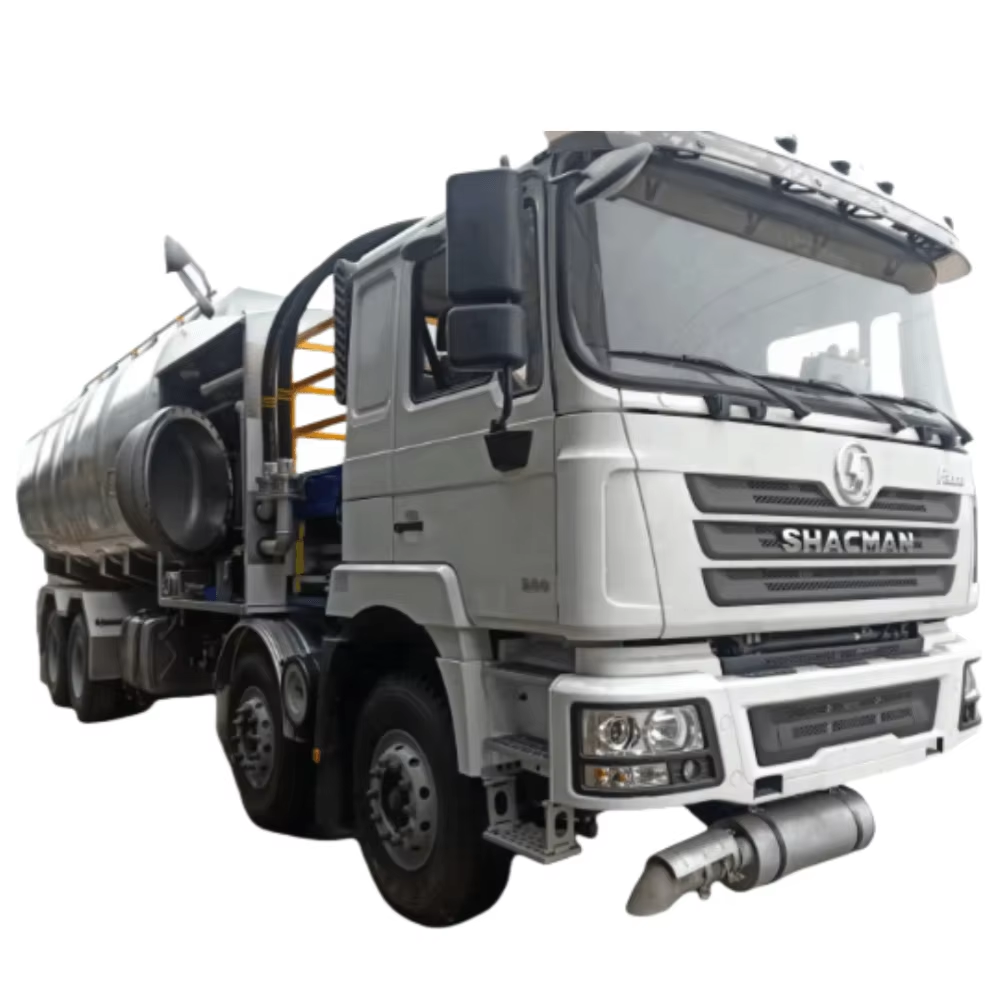
The Critical Role of Aviation Refueling Trucks in Airport Efficiency and Safety
Definition and purpose of aviation refueling trucks
Aviation refueling trucks serve as those big, heavy duty machines that move fuel between storage tanks and airplanes right there on the airport apron. These special purpose vehicles come equipped with massive fuel tanks ranging anywhere from around 1500 gallons all the way up past 10,000 gallons, paired with pumps that can accurately dispense either jet fuel or avgas straight into aircraft fuel systems. What sets them apart from regular fuel trucks is their built-in safety gear specifically for aviation work. They have conductive hoses and those bonding cables that help eliminate static electricity buildup, which could otherwise create dangerous sparks during refueling operations. This attention to safety is absolutely critical when dealing with flammable aviation fuels at such large volumes.
How refueling trucks support operational efficiency and flight safety
Modern refueling trucks enhance airport operations through three critical functions:
- Contamination control - Multi-stage filtration removes 99.9% of particulate matter (≥5 microns) as mandated by IATA standards
- Flow optimization - High-pressure pumps enable 600–1,000+ gallon/minute transfer rates to minimize ground time
- Hazard mitigation - Integrated fire suppression systems and vapor recovery units reduce spill/flashpoint risks
A 2024 aviation safety study found properly maintained refueling trucks prevent 72% of ground fuel-related incidents at major airports.
Impact of refueling speed on aircraft turnaround time
Rapid fuel delivery directly correlates with operational efficiency – every 15-minute reduction in refueling time increases daily aircraft utilization by 3.2% at hub airports. Advanced trucks with dual-point fueling capabilities can service wide-body jets 27% faster than single-nozzle systems, a critical advantage during peak travel periods.
Types of Aviation Refueling Trucks and Their Operational Use Cases
Hydrant dispensers vs. mobile refuelers: Efficiency and infrastructure needs
Hydrant dispensers connect directly to airport fuel pipelines, offering faster refueling speeds (up to 1,200 gallons/minute) for high-traffic terminals. These systems reduce fuel truck traffic but require permanent underground infrastructure investments exceeding $1.2M per gate (ICAO 2023). Mobile refuelers provide flexible operations for regional airports, with 1,500–6,000 gallon capacities enabling servicing of multiple aircraft types daily.
Jet fuel vs. avgas trucks: Matching fuel types to aircraft requirements
Aviation refueling trucks designed for jet fuel typically handle kerosene-based fuels like Jet A (commercial jets) or Jet B (military aircraft). In contrast, avgas trucks supply 100LL grade fuel to smaller piston-engine planes, requiring separate pumping systems to prevent cross-contamination. Proper fuel matching reduces engine maintenance costs by 17% in general aviation fleets.
Commercial vs. military aviation refueling truck specifications
Commercial models prioritize fuel efficiency and FAST compliance, with aluminum tanks and 500–1,200 GPM pumps. Military aviation refueling trucks feature armored steel construction, off-road capabilities, and rapid deployment systems meeting MIL-STD-2099 standards. The latter often integrate multi-fuel capabilities, enabling operations with JP-8, diesel, and other tactical fuels under extreme conditions.
Key factors in selecting the right aviation refueling truck
Operators prioritize four core parameters:
- Fuel compatibility: Match truck systems to required fuel types
- Flow rate capacity: Commercial jets require 800+ GPM for efficient turnarounds
- Mobility needs: Fixed-base vs. cross-airfield operations
- Safety certifications: NFPA 407 compliance with overfill protection and static grounding
Ground crews achieve 23% faster refueling cycles when trucks align with these operational parameters (IATA Ground Ops Report 2024).
Core Components and Technical Specifications of Aviation Refueling Trucks
Fuel Tank Capacity: Ranges from 1,500 to 10,000+ Gallons and Operational Impact
Fuel trucks used in aviation typically range from around 1,500 gallons at smaller regional airports up to over 10,000 gallons at major international hubs where demand is much higher. Bigger capacity tanks mean fewer trips back to the fuel source, which saves time overall. However, they come with tradeoffs like needing stronger frames and better weight management systems to handle all that extra mass safely. On the flip side, smaller refueling vehicles are built for getting through narrow spaces between gates and hangars at busy airports. Airport ground crews have to weigh these considerations carefully when planning operations because every minute counts when planes need to stay airborne as much as possible. They also need to keep an eye on weight restrictions imposed by runways and taxiways to avoid damaging expensive infrastructure.
Pump Flow Rates and Delivery Systems for Rapid Fueling
Modern aviation refueling trucks achieve pump rates exceeding 1,000 gallons per minute using dual-stage centrifugal systems. High-speed dispensing shortens Boeing 747 refueling cycles by 15–20 minutes compared to older models. Leading manufacturers integrate smart flow regulation that automatically adjusts pressure based on aircraft fuel system specifications.
Filtration and Contamination Control in Aviation Refueling Trucks
Three-stage filtration systems remove 99.98% of particulates above 5 microns, exceeding ICAO standards. Stainless steel filter housings prevent corrosion from jet fuel additives, while water-blocking media protect against moisture ingress. Industry analysis shows trucks with advanced coalescer filters reduced fuel-related engine incidents by 73% compared to basic models.
Pneumatic, Hydraulic, and Grounding Systems for Safe Operation
The hydraulic boom system makes it possible to line up nozzles accurately while keeping ground crew away from sensitive aircraft surfaces. Grounding systems kick in automatically and get rid of static electricity just two seconds after connecting the hose. This is really important because jet fuel can ignite at around 42 degrees Celsius. Operators have pneumatic controls that let them adjust fuel flow safely from inside the cab when bad weather hits outside. These features help maintain safety standards even in challenging conditions at refueling stations.
The Aircraft Refueling Process: From Arrival to Disconnection
Step-by-Step Breakdown of the Airport Refueling Process
Today's aviation refueling trucks go through about 11 specific steps when transferring fuel safely to planes. First things first, the truck needs to be parked properly inside those marked safety areas around the airport, making sure there's at least 20 feet between the truck and any running airplane engines. Before hooking up, ground crew members always check out all the hoses and connections visually. Some newer refueling equipment comes equipped with fancy two stage filters that catch even tiny bits of water and dirt particles as small as 0.8 microns while pumping fuel, which meets those strict ASTM D1655 standards for clean jet fuel. When actually moving fuel, most systems handle between 300 and 600 gallons each minute, but don't worry about spills because these modern rigs have automatic shut off valves built right in to stop filling if something goes wrong.
Coordination Between Pilots, Ground Crew, and Refueling Operators
Effective communication protocols reduce refueling errors by 82% according to 2023 NATA operational data. Three critical interactions occur:
- Pilots confirm required fuel volume and type (Jet A, Jet A-1, or Avgas)
- Ground crews verify aircraft weight distribution for balanced loading
- Refueling operators monitor fuel temperature and pressure differentials in real-time
Wireless headsets and digital work orders now replace traditional paper-based systems at 64% of major airports, cutting miscommunication risks by half compared to manual processes.
Pre- and Post-Refueling Checks and Procedures
Mandatory safety inspections occur at three stages:
| Checkpoint | Key Verification Points | Industry Compliance Standard |
|---|---|---|
| Pre-Refuel | Grounding system integrity, nozzle cleanliness | NFPA 407 (2024 Edition) |
| Mid-Refuel | Fuel flow consistency, seal tightness | API 1595 Design Handbook |
| Post-Refuel | Cap replacement, spill containment | IATA IGOM Section 6.3 |
Operators must complete a signed fuel delivery ticket with batch numbers and fuel density recordings—a legal requirement in 137 ICAO member states since 2021 aviation fuel reforms.
Optimizing Refueling Time in High-Turnover Airport Environments
Airports across the country are starting to roll out smart refueling systems that match up when trucks arrive with actual plane landing schedules. These new systems cut down how long planes sit on the ground waiting for fuel by about 18 minutes each time they turn around. Some of the newer hybrid refuelers come equipped with two big tanks holding 1,500 gallons each, letting them fill both small commercial jets and regional aircraft at once. There's also advanced sensor tech involved now too. These infrared monitors watch the fuel level as it goes in and tweak the flow speed depending on how the fuel tank is shaped. At busy times of day at places like Dallas Fort Worth or Istanbul, all these improvements help keep things running smoothly enough that almost every flight gets fueled within the strict 45 minute window required for those connecting passengers who need to catch another flight right away.
Safety Standards and Maintenance Practices for Reliable Refueling Operations
Critical Safety Protocols: Grounding, Fire Suppression, and Hazard Zones
Safety comes first when aviation refueling trucks are at work because jet fuel poses serious dangers if not handled properly. The grounding systems on these vehicles get rid of static electricity buildup during transfers, something that can spark dangerous fires otherwise. Most newer models come equipped with fire suppression tech that automatically releases foam within just a few seconds when problems arise, according to recent FAA findings from last year. Around refueling spots, there are clearly marked danger areas where staff stay away for their own protection. And if something goes wrong with the equipment itself, special pressure sensors trigger emergency shut off valves almost immediately, stopping fuel flow before things escalate.
Balancing Human Oversight and Technological Safeguards
Newer aviation refueling trucks now rely on automated systems for about 85% of their regular safety checks according to IATA data from 2023. Still, people need to keep watch because they understand what's going on around them. The operators check what the sensors say against what they actually see when things get really bad weather wise or if something breaks down. Take dielectric sensors for instance these warn the crew when there's a problem with grounding, but someone has got to go out there and look at those actual connections themselves. Mixing automation with human judgment seems to work pretty well. Fueling accidents dropped by nearly two thirds between 2020 and 2023 across all FAA registered airports, which shows this combination makes sense for keeping everyone safe.
Routine Inspection and Maintenance of Aviation Refueling Trucks
Daily pre-operation checks focus on three high-risk components:
- Fuel filters (replaced every 500 operating hours)
- Hydraulic hoses (pressure-tested quarterly)
- Electrical grounding points (inspected after each refueling cycle)
Major overhauls every 10,000 service hours rebuild pumps and replace aging valves, ensuring compliance with NFPA 407 standards. Airports using predictive maintenance analytics report 30% fewer unscheduled downtimes compared to reactive maintenance models.
Extending Service Life Through Proactive Servicing and Component Reliability
Proactive aviation refueling truck maintenance reduces lifetime operational costs by 22% (FAA Audit 2023) through three key practices:
- Corrosion-resistant coatings applied to undercarriages and tanks
- Real-time monitoring of engine load distribution during refueling
- Upgrading legacy hydraulic systems to energy-efficient electric actuators
These strategies enable fleets to exceed typical 15-year service life expectations while maintaining <0.5% defect rates in safety-critical components.
FAQ
What is the purpose of aviation refueling trucks?
Aviation refueling trucks transport fuel from storage tanks to airplanes on the airport apron efficiently and safely, equipped with safety gear to handle large volumes of flammable aviation fuels.
How do refueling trucks enhance operational efficiency at airports?
Refueling trucks help in contamination control, optimize fuel flow with high-pressure pumps, and mitigate hazards with integrated fire suppression systems, thus enhancing operational efficiency and safety.
What are the types of aviation refueling trucks?
The main types include hydrant dispensers that connect to airport fuel pipelines and mobile refuelers that provide flexible operations, catering to both jet fuel and avgas requirements.
What safety measures are crucial for aviation refueling operations?
Critical safety measures include grounding systems to eliminate static electricity, fire suppression systems, and establishing hazard zones to ensure safe operations.
Table of Contents
-
The Critical Role of Aviation Refueling Trucks in Airport Efficiency and Safety
- Definition and purpose of aviation refueling trucks
- How refueling trucks support operational efficiency and flight safety
- Impact of refueling speed on aircraft turnaround time
- Types of Aviation Refueling Trucks and Their Operational Use Cases
- Hydrant dispensers vs. mobile refuelers: Efficiency and infrastructure needs
- Jet fuel vs. avgas trucks: Matching fuel types to aircraft requirements
- Commercial vs. military aviation refueling truck specifications
- Key factors in selecting the right aviation refueling truck
- Core Components and Technical Specifications of Aviation Refueling Trucks
- The Aircraft Refueling Process: From Arrival to Disconnection
- Safety Standards and Maintenance Practices for Reliable Refueling Operations
- FAQ