
 EN
EN
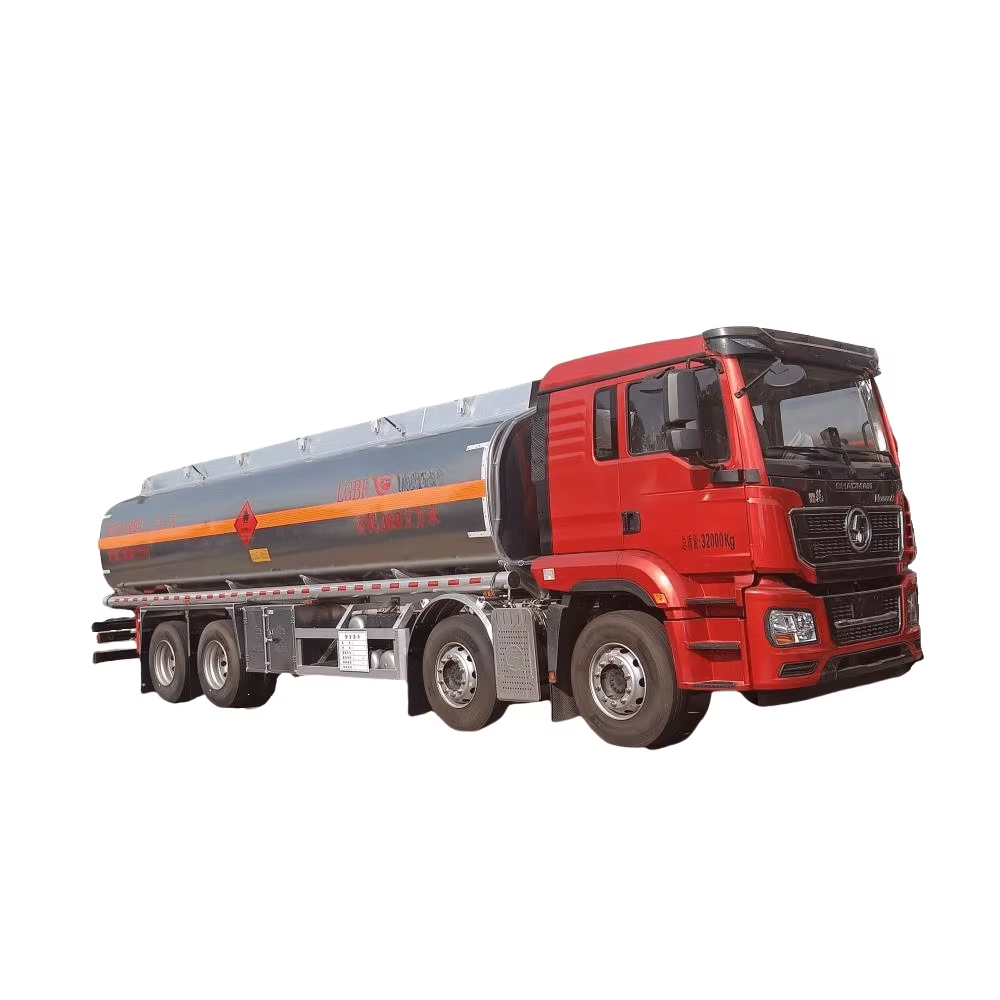
The Role of Chemical Tanker Trucks in Hazardous Material Transport
How Chemical Tanker Trucks Support Industrial Supply Chains
Chemical tanker trucks play a vital role in sectors such as petrochemical production, drug manufacturing, and farming operations, carrying dangerous stuff like strong acids, volatile solvents, and various reactive compounds needed for industrial processes. Around two thirds of all dangerous goods transported across country roads go via these specialized tankers, which help companies get materials exactly when they need them without breaking safety rules. The tanks themselves are divided into sections made from materials that resist corrosion, typically stainless steel or different types of aluminum alloys. This design lets multiple chemicals travel together in one trip instead of making several separate journeys, which cuts down on waiting times throughout the whole supply chain network.
Environmental Risks Associated with Chemical Transportation
Chemical transportation has its uses but comes with serious dangers. Just one tanker accident can mess up groundwater supplies, damage local wildlife habitats, and run cleanup costs well past seven hundred forty thousand dollars according to Ponemon Institute research from last year. Take volatile stuff like chlorine or sulfuric acid for instance they need special pressurized containers plus fancy venting equipment to stop dangerous vapors from escaping into the air. These kinds of vapor leaks actually account for about fourteen percent of all environmental problems linked to transporting hazardous materials. And let's not forget that poorly kept storage tanks combined with simple mistakes made by drivers only make matters worse. This is why regular inspections should be part of standard operating procedure for anyone handling such dangerous cargo.
Regulatory Framework: EPA, SPCC, and DOT Standards for Chemical Transport
Three key agencies govern chemical tanker operations:
| Agency | Key Requirement | Industry Impact |
|---|---|---|
| EPA | Spill Prevention, Control, and Countermeasure (SPCC) rules mandate secondary containment systems | Reduces groundwater contamination risks by 82% |
| DOT | Hazardous Materials Regulations (HMR) enforce tank thickness, pressure ratings, and emergency shutoffs | Ensures structural integrity during collisions |
| OSHA | Process Safety Management (PSM) standards require driver training on chemical compatibility | Lowers human error incidents by 37% |
These regulations ensure tanks are constructed from materials resistant to chemical reactions, such as polymer-lined steel, while driver certifications reduce spill risks during loading/unloading.
Spill Prevention Through Advanced Chemical Tanker Truck Design
Secondary Containment Systems and Double-Wall Tank Technology
Today's chemical tanker trucks come equipped with double wall tanks that serve as backup protection against leaks. The outer shell can actually hold 110% of what's inside the main tank, which goes beyond what the EPA requires for storing dangerous materials. Looking at the 2022 Department of Transportation reports, these safety measures stopped about 85% of possible environmental accidents before they happened. And there are other helpful additions too, such as those special spill pallets that help keep things clean when loading cargo onto the trucks.
Material Compatibility and Corrosion Resistance in Tank Construction
The strength and longevity of storage tanks depend heavily on modern metal science, particularly when transporting chemicals that eat away at materials over time. Stainless steel remains a top choice for many applications, but polymer lined aluminum tanks have also gained popularity in recent years for their resistance to corrosion. According to research published in the Materials Engineering Journal last year, tanks with epoxy coatings saw a massive drop in structural problems—around 72% fewer issues than those without any lining. Today's manufacturers are getting smarter about material selection through something called computational fluid dynamics modeling. These simulations let them test how different chemicals react with various tank materials before production even starts. This approach helps ensure safe storage conditions for over 400 different substances while greatly reducing the chances of dangerous reactions occurring during transport or storage.
Innovations in Leak Detection and Real-Time Monitoring Systems
Fiber-optic sensor grids detect pressure changes equivalent to 0.5-liter leaks within 8 seconds—40% faster than legacy systems. These integrate with IoT-enabled dashboards that automatically reroute trucks from ecologically sensitive zones. Real-time telemetry streams to centralized monitoring hubs, enabling coordinated responses that reduced spill impacts by 63% in EPA-tracked incidents since 2020.
Integrated Safety Systems and Process Safety Management
Modern chemical tanker trucks integrate layered safety systems to address the unique risks of transporting hazardous materials. These systems combine engineered controls, operational protocols, and human factors to create robust protections against spills and accidents.
Hazard Classification and Risk Assessment for Chemical Loads
When it comes to process safety, the first step is figuring out what kind of chemicals we're dealing with according to standards such as UN GHS hazard classifications. These classifications tell us how to handle stuff based on whether something burns easily, is poisonous, or reacts dangerously. Most experienced professionals run through their Process Hazard Analysis (PHA) checkups somewhere around every three to five years. They look for problems where materials just don't get along together or when certain substances need special temperature controls during transport. Take oxidizers for instance they absolutely must be kept separate from organic materials. This isn't just good practice either about one in five transportation accidents reported last year happened because chemicals were mixed incorrectly according to the Chemical Safety Board report from 2022. Makes sense why proper segregation matters so much in real world operations.
Onboard Safety Features: Emergency Shutoffs, Venting, and Pressure Control
Modern tankers incorporate redundant safety systems like:
- Triple-valve emergency shutoffs triggered by impact sensors
- Pressure-relief vents that activate at 110% of design limits
- Thermal protection systems that spray retardant foam during fire exposure
These features work with Safety Instrumented Systems (SIS) to automatically isolate hazards. A 2023 study found tankers equipped with SIS reduced containment failures by 62% compared to manual systems alone.
Training and Operational Protocols for Safe Handling
Professional drivers spend over 80 hours getting trained on all sorts of things before hitting the road. They learn how to inspect vehicles properly checking around 40 different parts that matter most. There are also practice sessions for emergencies both on highways and at loading docks. Plus they get educated about keeping digital monitoring systems secure from cyber threats. According to data from Transportation Safety Institute back in 2023, businesses that test their staff regularly see about 73 percent less mistakes made by people. The whole idea of putting training first actually fits right in with what OSHA says about process safety management. What this means is companies start developing real safety cultures where workers actually follow those rules day to day instead of just reading them off paper somewhere.
Spill Response and Emergency Containment in Chemical Tanker Accidents
Immediate Response Protocols for Chemical Spills
If there's a chemical spill on the road, drivers need to start containment procedures within about ten minutes according to those SPCC rules we all have to follow. Most companies these days outfit their chemical transport trucks with emergency spill response kits. These typically include things like absorbent materials, chemicals to neutralize hazardous substances, and physical barriers for containing leaks. At loading areas, secondary containment systems work pretty well too. The Environmental Protection Agency reported back in 2023 that these systems stop around 92 percent of small spills before they get out of hand. And speaking of technology helping out, real time monitoring sensors are becoming standard equipment now. They give early warnings when there's a drop in pressure or unusual temperature changes, which lets maintenance crews respond much quicker than waiting for someone to notice something wrong visually.
EPA Requirements for Spill Reporting and Environmental Remediation
According to the Environmental Protection Agency, businesses need to report any spill over 1,000 pounds right away through something called the National Response Center. After such incidents happen, organizations have just three days to get their cleanup plans together detailing how they'll handle contaminated soil and protect nearby water sources. Research from last year showed interesting results too - companies using automatic reporting systems hit around 89 percent compliance while those relying on old fashioned paper work only managed about half that rate at 54%. And let's not forget the financial consequences either. If a company fails to follow these rules properly, they could face fines going well beyond seventy six thousand dollars for each mistake made under provisions of the Clean Water Act.
Case Studies: Lessons from Major Chemical Spill Incidents
- 2018 Sulfuric Acid Spill (Midwest): Delayed containment led to $4.7M in cleanup costs after corroded tank seals failed. Post-incident upgrades included double-walled tanks and quarterly material inspections.
- 2021 Solvent Leak (Gulf Coast): GPS-tracked dispersion patterns reduced ecosystem damage by 63% through targeted bioremediation.
These events underscore the need for predictive analytics and IoT-enabled containment systems in modern chemical tanker truck operations.
Future Trends in Chemical Tanker Trucks and Environmental Compliance
Sustainable Materials and Green Technologies in Tanker Manufacturing
Eco friendly innovations are becoming a top concern for companies in the chemical tanker truck business as they try to meet worldwide sustainability targets. Using lightweight composite materials such as carbon fiber reinforced polymers can cut down on vehicle weight by around 18 percent according to research from Ponemon Institute back in 2023. This weight loss means less fuel gets burned and fewer harmful emissions end up polluting the air. Many manufacturers are now looking at alternative fuel options too. Tests show that hydrogen powered chassis combined with electric drivetrains can slash carbon footprints by approximately 22%. The Asia Pacific region stands out particularly since there's so much industrial activity happening there. Hybrid tankers designed to carry both biofuels and edible oils are starting to catch on in these markets where demand keeps growing steadily.
Predictive Analytics and IoT for Proactive Environmental Protection
Putting together IoT sensors with AI based predictive analytics has really changed how we prevent spills these days. Monitoring systems that work in real time can spot changes in pressure and odd temperature readings with about 99.5% accuracy. A recent report from logistics tech folks in 2024 says this cuts down on unexpected downtime by around 35%. The same systems look at old route information to find better paths that dodge dangerous areas. This approach lowers the chances of spills by roughly 40%, which makes a big difference. With regulations getting stricter every year regarding transport of dangerous materials, companies need these kinds of smart solutions just to stay compliant without breaking their budgets.
FAQ
What materials are commonly used in chemical tanker construction?
Chemical tanker trucks are typically constructed using corrosion-resistant materials like stainless steel and polymer-lined aluminum tanks. Epoxy coatings are also employed to enhance structural integrity.
How do regulations impact chemical tanker operations?
Regulations from agencies like the EPA, DOT, and OSHA mandate structural standards, driver certifications, and spill prevention measures, significantly reducing the risks associated with transporting hazardous materials.
What technologies are used to prevent chemical leaks?
Advanced technologies such as fiber-optic sensor grids, IoT-enabled monitoring systems, and double-wall tank designs are utilized to detect leaks early and reroute trucks efficiently to minimize spill impacts.
What is the role of predictive analytics in spill prevention?
Predictive analytics combined with IoT sensors provide real-time data on tanker conditions, helping companies anticipate and prevent potential spill incidents and reduce environmental impacts proactively.
Table of Contents
- The Role of Chemical Tanker Trucks in Hazardous Material Transport
- Spill Prevention Through Advanced Chemical Tanker Truck Design
- Integrated Safety Systems and Process Safety Management
- Spill Response and Emergency Containment in Chemical Tanker Accidents
- Future Trends in Chemical Tanker Trucks and Environmental Compliance
- FAQ