
 EN
EN
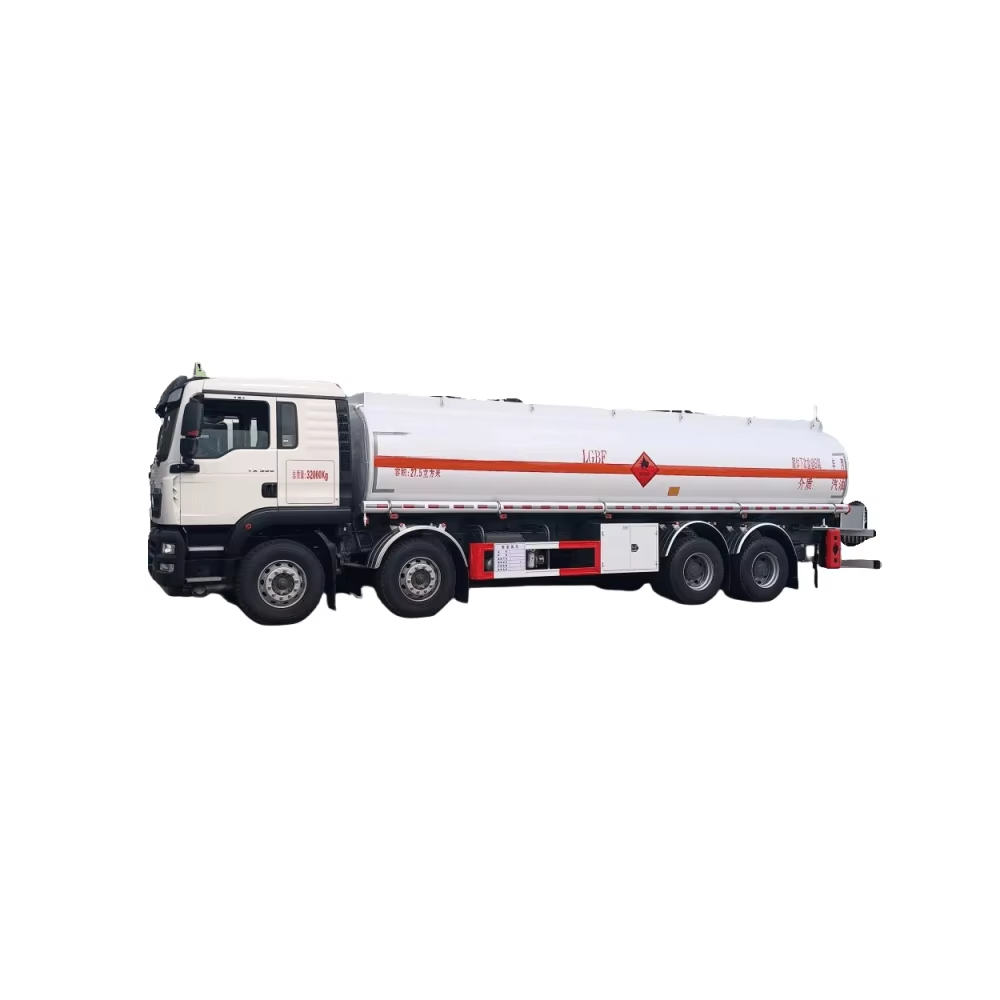
The Evolution and Historical Development of Oil Tankers
How we move oil has come a long way since those old wooden barrels started leaking everywhere back in the day. Before the 1860s, crude oil basically sat in wooden casks that leaked constantly, making it tough to ship anywhere serious. Things took a turn when Swedish businessman Ludvig Nobel came up with the idea for the Zoroaster in 1878, which was actually built specifically for carrying oil. The ship had these special compartments inside its iron hull that cut down on spills dramatically compared to those leaky barrels. This innovation set the stage for how we transport goods across oceans today. Fast forward to the 1920s, and improvements like welded hulls plus steam turbines meant tankers could carry way more cargo - going from around 300 tons to over 12,000 tons. Navigation got safer too once radar and GPS became common stuff in ships during the middle of the last century. Then there was that big Exxon Valdez accident in 1989, which really shook people up. It led to new rules under MARPOL Annex I that required double hulls on tankers. These changes have apparently prevented about half a million metric tons of oil from spilling into our oceans each year based on numbers from the International Maritime Organization as of 2023.
Types and Sizes of Oil Tankers: From Aframax to ULCC
Crude Oil Tankers vs. Product Tankers: Understanding Key Differences
Oil tankers today basically come in two main types: those that carry crude oil and those that move finished products. The big crude carriers haul raw petroleum straight from where it's extracted to processing plants. Some of these ultra large crude carriers can handle massive loads around 550,000 deadweight tons, which works out to about 4 million barrels on each trip across the ocean. Then there are product tankers, which tend to be much smaller ships ranging between 10,000 and 60,000 deadweight tons. These vessels deliver refined fuels such as gasoline and jet fuel to local markets throughout the world. Because they serve different purposes, their designs vary quite a bit. Crude carriers need lots of space for storing huge quantities of oil, whereas product tankers must have separate compartments so different fuels don't mix together during transport.
| Feature | Crude Oil Tankers | Product Tankers |
|---|---|---|
| Cargo Type | Unrefined crude oil | Refined fuels |
| Typical Capacity | 80,000 - 550,000 DWT | 10,000 - 60,000 DWT |
| Storage Design | Unified cargo holds | Compartmentalized tanks |
| Primary Routes | Export hubs to refineries | Refineries to regional terminals |
Size Classifications: LR1, LR2, Aframax, Suezmax, VLCC, and ULCC Defined
The oil tanker market uses standardized size categories that determine operational flexibility:
- LR1/LR2 (45,000–159,999 DWT): Versatile mid-sized tankers for regional refined fuel transport
- Aframax (80,000–120,000 DWT): Workhorses for short-haul crude routes like North Sea exports
- Suezmax (120,000–200,000 DWT): Maximum dimensions for Suez Canal transit
- VLCC (200,000–319,999 DWT): Dominates long-distance crude shipments from the Persian Gulf
- ULCC (320,000+ DWT): Reserved for specific high-volume routes like Middle East-to-Asia
These classifications directly correlate with port accessibility—only 15 global terminals can fully load a ULCC.
How DWT Influences Operational Efficiency, Port Access, and Transport Costs
The deadweight tonnage (DWT) of ships presents a classic dilemma for shipping companies trying to maximize efficiency while maintaining operational flexibility. Very Large Crude Carriers (VLCCs) can cut down transportation costs per barrel by around forty percent when compared to smaller Aframax tankers. However, these massive vessels need access to deep water ports with depths over twenty meters, which significantly restricts where they can actually operate. As a result, most VLCC activity is concentrated at major oil export terminals worldwide. Ship owners constantly struggle with this situation, weighing the attractive lower freight rates against potential delays and extra expenses caused by crowded ports that simply can't handle such large vessels efficiently.
Case Study: VLCC Dominance in Middle East-to-Asia Crude Oil Exports
Very Large Crude Carriers handle around 78 percent of the crude oil shipments coming out of the Persian Gulf destined for Asian refineries. These massive ships carry about two million barrels each, which just happens to match up pretty well with when refineries need their supplies. That's probably one reason why so many companies ordered new VLCCs last year even though there's increasing pressure against transporting such huge amounts of fossil fuels. In fact, nearly two thirds of all tanker orders placed in 2023 went toward these behemoths, showing that practical considerations still outweigh concerns about environmental impact for now at least.
Global Oil Transportation: Logistics, Routes, and Operational Challenges
Marine Logistics Chain: From Loading at Export Terminals to Refinery Delivery
Oil tankers today work inside a tightly managed supply network. When loading starts at export facilities, these places have fancy automation that can pump more than 2 million barrels of crude onto ships within about two days. Once loaded, most tankers stick to well established shipping lanes such as the busy route from the Middle East to Asia where around 18 million barrels travel each day according to recent industry reports. During their journey across oceans, sophisticated monitoring equipment keeps tabs on where tanks are located and how much stress they're experiencing. At destination ports, officials usually reserve good spots for these big ships so refineries get their supplies on schedule. After arriving, special unloading gear can move fuel out at speeds above 50 thousand barrels per hour, which helps cut down those expensive waiting fees when ships stay docked too long.
Key Infrastructure: Pipelines, Offshore Terminals, and Ship-to-Ship Transfers
Three critical infrastructures enable global oil transport:
- Pipeline networks connecting inland fields to coastal terminals (e.g., Russia’s 40,000km Transneft system)
- Offshore terminals like Louisiana’s LOOP, capable of handling ULCCs in 115-foot depths
- Ship-to-ship transfers in strategic zones like Singapore’s waters, facilitating cargo consolidation without port fees
Navigational Risks: Piracy, Geopolitical Chokepoints, and Extreme Weather
The top operational risks cluster in three areas:
| Risk Category | Hotspot Example | Mitigation Strategy |
|---|---|---|
| Piracy | Gulf of Guinea | Armed escorts, citadel shelters |
| Geopolitical | Strait of Hormuz (30% of seaborne oil) | Diplomatic clearance protocols |
| Environmental | North Atlantic winter | Ice-strengthened hulls, typhoon routing |
Vessels now employ AI-powered collision avoidance systems, reducing grounding incidents by 72% since 2015 (Allianz Maritime Report 2023).
Environmental Impact and Safety Innovations in Oil Tanker Operations
Major Oil Spills: Exxon Valdez, Prestige, and Their Environmental Legacy
The 1989 Exxon Valdez spill (11 million gallons) and 2002 Prestige disaster (20 million gallons) revolutionized environmental safeguards in oil tanker operations. These catastrophes contaminated over 1,300 miles of coastline and caused $7 billion in ecological damages (NOAA 2023), demonstrating how single-hull designs failed to prevent crude oil from penetrating damaged compartments.
Double-Hull Design: Engineering Solution to Reduce Spill Risks
Mandated after the Exxon Valdez incident, double-hull oil tankers feature a secondary steel barrier that reduces spill risks by 90% during groundings (IMO 2021). This upgrade prevents direct contact between cargo tanks and the ocean, with statistics showing a 75% decline in major spills since 2000 despite a 40% increase in global oil shipments.
MARPOL Annex I and IMO Regulations Shaping Modern Oil Tanker Safety
The International Maritime Organization’s (IMO) revised MARPOL Annex I standards (2023) require:
- Real-time tank pressure monitoring
- Mandatory emergency towing systems
- 30% thicker hull plating in high-impact zones
These protocols, alongside mandatory simulator training for crew, have slashed human-error incidents by 62% since 2010 while maintaining compliance costs below 3% of annual fleet revenues.
The Business of Oil Tankers: Market Dynamics and Economic Drivers
Charter models: spot, time, and voyage charters in the oil tanker market
Three contractual frameworks dominate oil tanker operations:
- Spot charters: Single-voyage agreements accounting for 55–60% of crude tanker activity (2023 data)
- Time charters: Fixed-rate vessel leases spanning months to years, preferred for stable trade routes
- Voyage charters: Per-tonnage pricing models tying costs directly to cargo volume and route complexity
This flexibility allows operators to optimize fleet deployment across fluctuating trade corridors like the Middle East-Asia crude corridor or refined product flows from U.S. Gulf Coast refineries.
Freight rates, bunker costs, and fleet utilization as profitability levers
VLCC earnings hit around $94,000 per day during the fourth quarter of 2023 as Russian oil was rerouted and shipping through the Red Sea became risky. This shows that what's happening operationally often matters more than just looking at base oil prices. The cost of bunker fuel is eating up about 35 to 40 percent of total voyage expenses these days because of those IMO 2020 rules requiring low sulfur fuel. At the same time, most tankers are still being used pretty heavily with utilization rates sitting at roughly 92%, even though there has been a 4.1% growth in global tanker capacity over the year. There's something interesting going on here with environmental regulations. On one hand they push up costs when ships need scrubbers installed, but on the flip side, vessels that meet eco standards can actually charge 15 to 20% higher rates in the market.
Market volatility: how crises boost demand despite environmental concerns
The Houthi attacks at Bab-el-Mandeb in 2024 really put crisis economics on display. Daily rates for Suezmax tankers shot up by over 200% when vessels had no choice but to take the long route around Africa's Cape of Good Hope. Environmental, social and governance concerns are pushing shipowners to update their fleets fast. About two thirds of all new ships being built these days come equipped with LNG dual fuel capabilities. But here's the thing: whenever there's some kind of geopolitical hiccup, it tends to throw a wrench into those nice clean plans for cutting carbon emissions. Tanker demand actually increased 2.4% year over year even though overall oil consumption hasn't been going anywhere for quite some time now. The industry just keeps finding ways to adapt and survive, no matter what challenges come its way from markets or green activists alike.
FAQ
What are oil tankers?
Oil tankers are ships specifically designed to transport large quantities of oil across oceans and waterways.
What are the main types of oil tankers?
The main types of oil tankers are crude oil tankers and product tankers, designed for transporting unrefined crude oil and refined fuels, respectively.
What is the difference between Aframax and VLCC tankers?
Aframax tankers are smaller, typically carrying between 80,000 and 120,000 DWT, whereas Very Large Crude Carriers (VLCC) can transport between 200,000 and 319,999 DWT.
Why are double-hull designs important in oil tankers?
Double-hull designs offer a secondary steel barrier that significantly reduces the risk of oil spills in the event of accidental groundings or collisions.
What factors influence oil tanker freight rates?
Freight rates are influenced by factors such as bunker fuel costs, port access, geopolitical events, and environmental regulations requiring fuel efficiency upgrades.
Table of Contents
- The Evolution and Historical Development of Oil Tankers
- Types and Sizes of Oil Tankers: From Aframax to ULCC
- Global Oil Transportation: Logistics, Routes, and Operational Challenges
- Environmental Impact and Safety Innovations in Oil Tanker Operations
- The Business of Oil Tankers: Market Dynamics and Economic Drivers
- FAQ