
 EN
EN
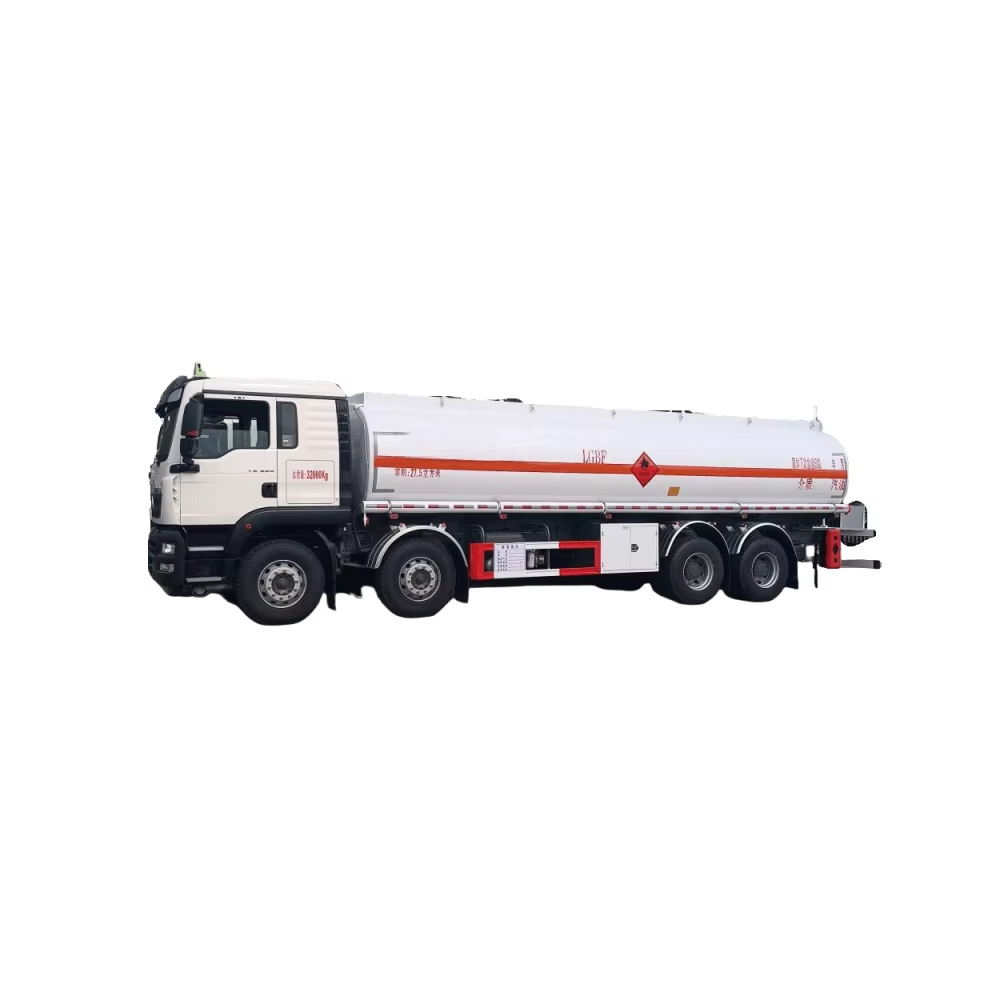
Growing Demand for Specialized Tank Trailers in Chemical Transport
Tank trailers built to exacting standards form the backbone of chemical transportation worldwide, and demand has been climbing steadily at around 12% per year since 2022 according to Market Research Intellect's latest report from 2025. When moving dangerous stuff like benzene or chlorine gas, tankers need heavy duty steel construction, valves that can handle high pressures, plus special cooling systems to keep things stable during transit. Take hydrochloric acid transport as a case in point many companies have switched to tanks lined with rubber materials recently because regular steel just doesn't cut it against such aggressive chemicals. This trend shows how the industry keeps adapting its equipment choices based on what specific substances are being transported.
Integration of Tank Trailers into Industrial Supply Chains
The chemical logistics industry relies heavily on tank trailer fleets these days for getting raw materials to factories exactly when they need them. Tank trailers with multiple compartments can carry different types of chemicals at once without them reacting together, which cuts down on those costly empty trips back to base by around 34%, according to the latest PwC Logistics Report from 2024. What this means is lower storage expenses for companies but still keeping things safe. Take ethylene oxide transportation for instance, where separate compartments stop dangerous mixtures from happening accidentally during transit. The savings stack up over time while staying compliant with all the necessary safety regulations.
Case Study: Tank Trailer Deployment in Gulf Coast Petrochemical Hubs
Along the Gulf Coastâhome to 40% of U.S. petrochemical productionâoperators deploy tank trailers featuring:
- 316L stainless steel construction for corrosive alkylation feedstocks
- API-compliant bottom-loading systems that minimize vapor release
- Real-time telematics tracking chemical purity and temperature
This configuration reduced spill incidents by 28% in 2023 and cut average delivery times by 19 hours/month compared to rail alternatives.
Design, Capacity, and Configuration of Tank Trailers for Hazardous Chemicals
Standard Capacities and Structural Configurations of Chemical Tank Trailers
Chemical tank trailers come in sizes ranging anywhere between about 1,000 up to around 11,000 gallons depending on what needs to be moved. The smaller ones, typically holding between 1,000 and 3,000 gallons, are mostly seen at local factories and plants. Bigger models handle those long hauls across country for things like petrochemical products. Most of these tanks are made from cylindrical stainless steel because they stand up pretty well against corrosion when carrying acids, with roughly 92% effectiveness according to industry standards. However, we're seeing more aluminum options lately especially when transporting caustic soda. To keep everything intact during transport, manufacturers reinforce these tanks with external rings and sometimes use elliptical shapes instead of perfect circles. This helps them withstand weights over 60,000 pounds without buckling or leaking.
Multi-Compartment Tank Trailers for Efficient Chemical Blending and Delivery
Most major transport companies now rely on those multi-compartment trailers with 5 to 7 sections for moving different types of chemicals that can't be mixed together safely, such as hydrochloric acid alongside methanol all in one journey. The setup cuts down on wasted trips where trucks would otherwise come back empty handed by around 40 percent, which is a big deal for logistics costs. These trailers also meet those strict ISO 2846 segregation rules that keep dangerous substances properly separated during transit. What's really interesting though are these advanced baffling systems inside the compartments. They let drivers actually blend certain raw materials while still on the road, saving anywhere from 3 to 5 precious hours at processing plants once they arrive at their final destination.
Innovations in Tank Design for Safe Multi-Chemical Transport
The latest tech developments feature smart compartment systems where drivers can control automated valves right from their cabs. Tank manufacturers are now putting around 200 tiny sensors inside the walls to keep track of what chemicals are doing, watch temperature changes within about 2 degrees Fahrenheit, and check how much stress the tanks are under as they drive along. For transporting sulfuric acid, these tanks lined with polyethylene last roughly 15 years longer than old fashioned steel ones. And when it comes to LPG trailers, using special aluminum alloys that won't spark makes everything much safer during transport.
Materials and Corrosion Resistance in Tank Trailer Construction
Stainless Steel, Carbon Steel, and Aluminum: Applications in Chemical Tank Trailers
When building tank trailers, manufacturers need to find the right mix between structural integrity, overall weight, and protection against rust and chemical damage. Most companies go with stainless steel because it stands up well against chlorides and acids. According to the Chemical Transport Safety Report from 2023, about three quarters of all sulfuric acid gets shipped in tanks made from 316L stainless steel. Aluminum offers another option thanks to its light weight, which can cut down on fuel costs somewhere around 12%. That's why many carriers choose aluminum tanks for transporting things like gasoline where corrosion isn't such a big concern. For moving crude oil though, carbon steel still makes economic sense if properly coated with epoxy or phenolic linings inside the tanks to stop the metal from reacting with oxygen and degrading over time.
Fibreglass Reinforced Plastic (FRP) for Highly Reactive and Corrosive Chemicals
More and more industries are turning to Fibreglass Reinforced Plastic (FRP) for moving around those tricky reactive chemicals like hydrofluoric acid and chlorine. What makes FRP stand out compared to metals? Well, it doesn't suffer from pitting or stress corrosion cracking problems. A study published back in 2022 actually found something pretty impressive - FRP tanks had about 98.4% fewer leaks than aluminum ones when dealing with concentrated alkaline solutions according to the Industrial Materials Journal report from that year. Plus there's another big advantage worth mentioning here. Since FRP isn't conductive at all, this material significantly reduces the risk of static discharge happening during transfers of flammable chemicals, which we all know can be a real safety nightmare if things go wrong.
Material Compatibility Guidelines for Specific Chemical Loads
Material selection follows rigorous compatibility testing to prevent failures:
| Chemical Type | Recommended Material | Temperature Threshold |
|---|---|---|
| Organic solvents | Stainless steel (304/316L) | -40°C to 200°C |
| Sodium hypochlorite | FRP with vinyl ester resin | Up to 65°C |
| Liquid fertilizers | Carbon steel + polyurethane lining | 10°C to 50°C |
CGA-341 compliance mandates annual material integrity audits for tanks carrying UN-certified hazardous chemicals, ensuring alignment with evolving standards.
Safety Systems and Advanced Technologies in Tank Trailer Operations
Essential Safety Equipment for Hazardous Chemical Transportation
Tank trailers today come equipped with several layers of safety features designed to protect both cargo and personnel. Temperature monitoring systems track what's inside with remarkable precision, keeping readings within half a degree Celsius. This matters a lot when transporting sensitive materials such as ethyl acetate which can be quite unstable at certain temps. When things get too hot or pressurized beyond normal levels, emergency shut off valves kick in almost instantly thanks to their redundant design. According to research from Industrial Safety Journal published last year, these valves respond faster than two seconds once pressure goes over 15% of what's considered safe. For transporting ammonia specifically, aluminum alloy pressure relief valves have proven invaluable. Rated between 300 and 500 pounds per square inch, they stop ruptures caused by temperature changes. Since implementation began around 2021, incidents where pressure gets out of control have dropped significantly by about 62%. That kind of improvement speaks volumes about how far safety technology has come in this industry.
Pressure Relief, Spill Containment, and Emergency Shut-Off Mechanisms
Three-tiered containment strategies define modern designs:
- Primary stainless steel tanks (8â12 mm thickness)
- Secondary polymer liners with 98% chemical resistance ratings
- External drip trays holding 50â200 liters depending on trailer class
Automated emergency shut-off systems now integrate with GPS data, isolating compromised compartments during sudden deceleration. For hydrochloric acid transport, vacuum-assisted spill containment reduces leakage risks by 83% compared to gravity-dependent systems (Chemical Transport Safety Review 2024).
Real-Time Monitoring and Leak Detection Technologies in Modern Tank Trailers
IoT-enabled sensor arrays track 14+ parameters simultaneously:
| Parameter | Measurement Frequency | Alert Threshold |
|---|---|---|
| Internal Pressure | 10x/second | ±10% from baseline |
| Chemical Purity | Continuous | 95â99.9% variance |
| Tank Wall Integrity | 5x/minute | 0.05mm corrosion depth |
Fiber-optic leak detection grids identify 1L/min leaks within 8 seconds, enabling preventive route diversions. Cloud-connected platforms provide predictive maintenance alerts, reducing unplanned downtime by 41% in propane logistics operations (2024 Industrial IoT Report).
Regulatory Compliance and Custom Engineering for Chemical Tank Trailers
DOT, ADR, and UN Standards for Hazardous Material Transport Compliance
Tank trailers carrying chemicals need to meet standards set by several key organizations including the US DOT, the European ADR agreement about transporting dangerous goods on roads, and various UN guidelines for moving hazardous materials safely. The regulations basically require things like stronger tank walls, those pressure release valves we all know about, plus materials that won't corrode easily when exposed to harsh substances. According to DOT regulation 49 CFR Part 178.345, these tanks have to be checked regularly for wear and tear. And if a trailer is certified under ADR rules, there's an extra requirement too – they need secondary containment systems specifically designed to catch spills from strong acids or bases in case something goes wrong during transport.
Certification Requirements for Crude Oil, Fuel, and Gas Transport Trailers
When it comes to moving petroleum products around, there are certain paper trails that need to be followed. Trailers used for transporting crude oil or regular gasoline have to stick to API 12F specs when they're built. For those big LNG tanks on wheels, compliance with the ASME Boiler and Pressure Vessel Code becomes mandatory instead. The numbers back this up too. A recent look at safety data from 2023 showed that trucks with proper certifications experience roughly two thirds fewer leaks than their uncertified counterparts. Keeping track of all this isn't just paperwork either. Companies need to document everything from metal thickness tests to how well those welds hold up over time, plus make sure those emergency valves actually work when needed most.
Custom Tank Trailer Solutions for LPG, LNG, and Industry-Specific Applications
Specialized applications drive demand for custom-engineered tank trailers:
| Feature | Standard Tank Trailers | Customized Solutions |
|---|---|---|
| Temperature Control | Basic insulation | Cryogenic capability (-162°C) |
| Compartmentalization | Up to 3 sections | 5+ compartments with individual pumps |
| Monitoring Systems | Pressure gauges | IoT-enabled leak detection sensors |
For LPG transport, vacuum-insulated double walls maintain propane at -42°C, while petrochemical plants often specify FRP-lined trailers for chlorine dioxide. These bespoke designs align with ISO 28300 safety benchmarks and address unique operational demands.
FAQ
What are tank trailers used for in chemical logistics?
Tank trailers are primarily used for the safe transportation of various chemicals and petrochemical products. They are designed for high safety standards to prevent leaks, spills, and contamination during transit.
How do multi-compartment tank trailers work?
Multi-compartment tank trailers have separate sections to carry different types of chemicals at once without mixing them. This setup reduces transportation costs and prevents chemical reactions during transit.
What materials are used in tank trailers?
Common materials used in tank trailers include stainless steel, carbon steel, aluminum, and Fiberglass Reinforced Plastic (FRP), each chosen based on chemical compatibility and corrosion resistance.
Why is regulatory compliance important for tank trailers?
Regulatory compliance ensures that tank trailers meet safety standards and regulations for transporting hazardous materials, minimizing risks and ensuring safe delivery.
Table of Contents
- Growing Demand for Specialized Tank Trailers in Chemical Transport
- Integration of Tank Trailers into Industrial Supply Chains
- Case Study: Tank Trailer Deployment in Gulf Coast Petrochemical Hubs
- Design, Capacity, and Configuration of Tank Trailers for Hazardous Chemicals
- Materials and Corrosion Resistance in Tank Trailer Construction
- Safety Systems and Advanced Technologies in Tank Trailer Operations
- Essential Safety Equipment for Hazardous Chemical Transportation
- Pressure Relief, Spill Containment, and Emergency Shut-Off Mechanisms
- Real-Time Monitoring and Leak Detection Technologies in Modern Tank Trailers
- Regulatory Compliance and Custom Engineering for Chemical Tank Trailers
- FAQ