
 EN
EN
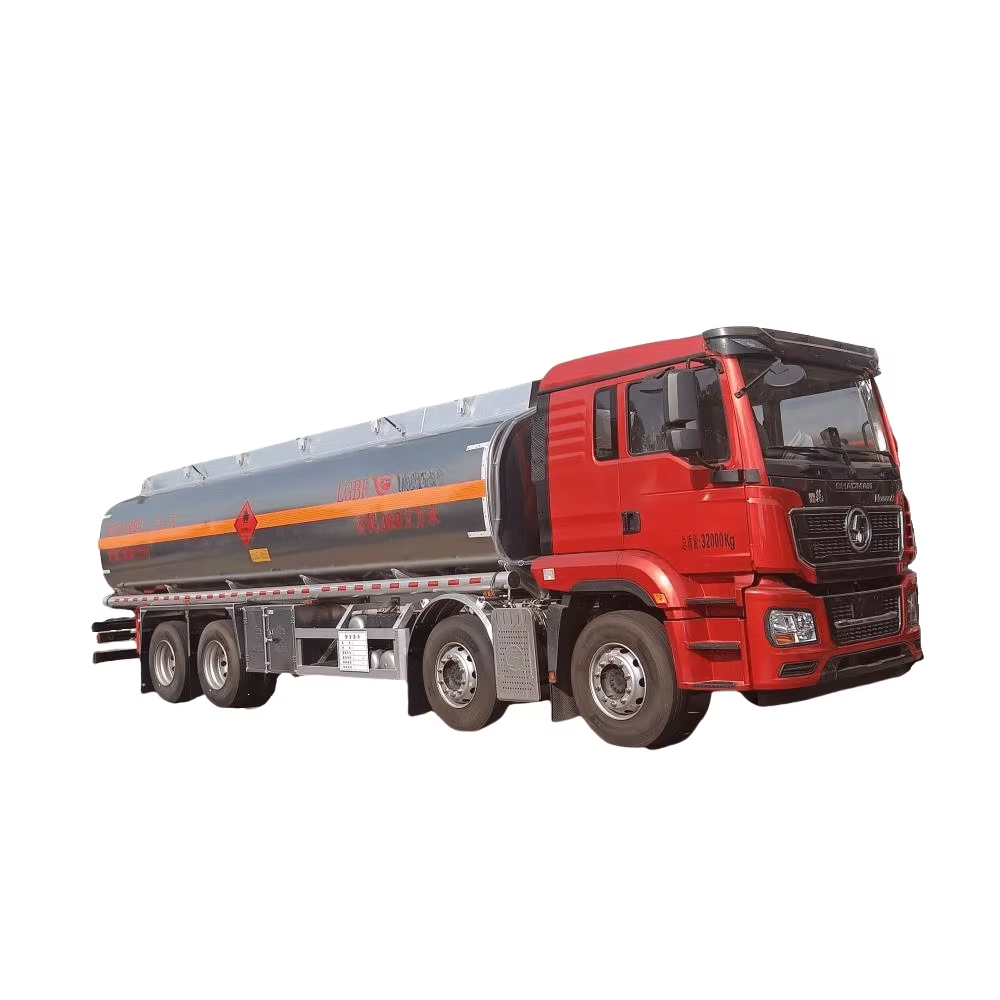
Design and Material Compatibility in Chemical Tanker Trucks
The safe transport of hazardous liquids in chemical tanker trucks hinges on meticulous material selection and compatibility testing. Tanks must resist chemical reactions, pressure fluctuations, and environmental stressors to prevent catastrophic failures.
Understanding Chemical Compatibility Risks in Tank Construction
Chemical incompatibility accounts for 62% of tanker-related incidents (NHTSA 2023). Stainless steel resists acidic compounds but degrades when exposed to chlorides, while aluminum alloys fail with strong alkalis. Material selection begins with analyzing pH levels, temperature ranges, and concentration thresholds of transported substances.
Selecting Appropriate Tank Linings and Materials for Hazardous Liquids
Common configurations include:
- Stainless Steel (316L Grade): Ideal for nitric acid and solvents
- Rubber-Lined Carbon Steel: Cost-effective for caustic soda transport
- Fiberglass-Reinforced Plastic (FRP): Non-reactive for sulfuric acid and hydrogen peroxide
Linings like PTFE or epoxy add secondary containment, reducing permeation risks by 89% compared to unlined tanks.
Case Study: Corrosion Failure from Incompatible Alloys
A 2021 incident involved a hydrochloric acid shipment in a carbon steel tank lacking protective lining. Within 72 hours, pitting corrosion compromised structural integrity, causing a 300-gallon spill. The carrier switched to vinyl ester-lined stainless steel tanks, eliminating repeat failures over three years.
Innovations: Composite Tanks and Specialized Hoses for Safer Transport
Modern composite tanks merge polypropylene layers with carbon fiber wraps, cutting weight by 35% while maintaining chemical resistance. Manufacturers now integrate hoses with EPDM inner cores and steel braiding capable of handling temperatures from -40°F to 300°F without degradation.
Best Practices: Using Chemical Compatibility Checklists in Maintenance
Operators should validate material selections against annually updated compatibility databases like CAMEO Chemicals. Pre-loading checklists must confirm:
- Tank material’s resistance to all cargo components
- Lining integrity via ultrasonic thickness testing
- Absence of incompatible residue from prior shipments
These protocols reduce compatibility-related violations by 78% in DOT audits.
Driver Training and Hazmat Certification for Chemical Tanker Operations
Operating chemical tanker trucks requires specialized expertise to mitigate risks posed by flammable, corrosive, or toxic cargo. Rigorous training and certification protocols ensure personnel can navigate both routine operations and emergencies while maintaining regulatory compliance.
The Role of Human Error in Chemical Transportation Incidents
Human error contributes to 62% of hazardous material transportation incidents (NTSB 2022), with common failures including improper cargo securement, miscommunication during transfers, and delayed spill responses. A 2023 Ponemon Institute study found that 41% of chemical truck drivers lacked adequate training to interpret safety data sheets (SDS), increasing risks during loading/unloading.
Mandatory Hazmat Training and Recertification Requirements
All drivers transporting hazardous materials must hold a valid Commercial Driver’s License (CDL) with a HAZMAT endorsement, requiring:
- Initial certification: 16+ hours of instruction on containment, placarding, and emergency protocols per 49 CFR 172.704
- Recertification: Renewal every 3 years with updated coursework on evolving EPA/DOT regulations
- Material-specific training: Specialized modules for corrosive, flammable, or reactive substances
Case Study: Preventing a Spill Through Effective Emergency Response
In 2021, a tanker transporting sulfuric acid avoided a catastrophic spill after its driver completed scenario-based HAZMAT training. When a hose coupling ruptured mid-transit, the driver immediately activated breakaway valves, deployed absorbent berms, and followed EPA notification protocols—actions that contained 98% of the leak (FMCSA incident report).
Emerging Trend: Digital Simulations in Driver Safety Programs
Leading logistics providers now use virtual reality (VR) simulations to recreate high-risk scenarios like tire blowouts or chemical fires. Trainees who completed VR programs demonstrated a 65% faster emergency response time compared to traditional classroom training (DOL 2023).
Integrating Trained Personnel into Standard Operating Procedures
Best practices include:
- Pre-shift briefings: Reviewing cargo-specific risks and SDS updates
- Cross-departmental audits: Drivers and loaders jointly verifying tank integrity
- Near-miss reporting: Anonymous systems to identify recurring safety gaps
By embedding these protocols, fleets reduced human error-related violations by 57% over a 5-year period (DOT 2022).
Pre-Trip Inspections and Safe Loading Procedures for Chemical Tankers
Key Hazards During Chemical Transfer Operations
Over-pressurization accounts for 34% of loading-related incidents in chemical tanker trucks (PHMSA 2023), with incompatible material pairings causing 22% of seal failures. Transfer operations risk static ignition, vapor release, and cross-contamination when residual chemicals remain in valves or hoses.
Essential Pre-Transfer Inspection Protocols
A 12-point verification system reduces loading risks by 61% compared to basic checks (Industrial Safety Journal 2024):
- Valve integrity: Test emergency shutoff response times
- Hose condition: Inspect for blistering/swelling (≥2mm deformation fails spec)
- Grounding continuity: Confirm <10 ohms resistance for flammable liquids
Dry Disconnect Couplings: Preventing Spills During Loading
| Feature | Standard Coupling | Dry Disconnect |
|---|---|---|
| Residual product loss | 50–200 mL | <5 mL |
| Disconnection speed | 12–18 seconds | 0.8 seconds |
| FDA compliance | No | EHEDG-certified |
These couplings eliminate 89% of loading-area slips/falls by reducing post-transfer cleanup needs (Chemical Processing Safety Report 2023).
Safety Break-Away Devices for Emergency Separation
Automatically activate when pull forces exceed 200–300 lbf (DOT-406 specification), containing up to 97% of spills in vehicle separation scenarios. Field data shows they prevent 420 gallons of chemical release per incident compared to fixed connections (PHMSA 2022 Case Study #CT-4491).
Safe Driving Practices and Operational Controls for Chemical Tanker Trucks
Managing Liquid Surge in Partially Filled Tanks
When chemical tankers aren't fully loaded, they actually run into bigger problems with liquid sloshing around inside. According to numbers from NHTSA in 2022, almost 4 out of every 10 tanker rollover accidents happened when the tanks were holding less than 60% of their maximum capacity. The good news is newer tank designs with better baffles cut down on this dangerous movement by roughly 72% compared to older models, as shown by Transportation Safety Institute findings last year. Operators also benefit from speed limiters that cap speeds at 55 miles per hour plus special braking methods that gradually slow down the vehicle rather than slamming on brakes suddenly. These approaches make it easier to handle the powerful forces created when liquids shift during sharp turns or emergency stops.
Route Planning and Speed Management Best Practices
Geofenced GPS systems automatically exclude routes with grade changes exceeding 5% or restricted zones per 49 CFR §397.67. Real-time weather integration helps drivers avoid storm-impacted areas, reducing weather-related incidents by 41% in a 2023 fleet study. Mandatory rest-stop algorithms prevent driver fatigue during multi-state hazmat hauls.
Grounding and Bonding Systems to Prevent Static Ignition
Composite grounding straps with built-in resistance monitoring (≤10 ohms) meet NFPA 77 standards for flammable liquid transfers. A 2024 Chemical Safety Board analysis found proper bonding eliminates 92% of static-related ignition risks during loading. Wireless current sensors now provide continuous verification of earth connections throughout transfer operations.
Emergency Response, Spill Management, and Regulatory Compliance
Chemical tanker truck operators face unique risks requiring coordinated safety practices across three critical areas: rapid emergency response, spill mitigation, and legal compliance.
Immediate Actions During a Chemical Leak or Rupture
Operators must immediately isolate the spill zone using traffic barriers, deploy Personal Protective Equipment (PPE), and activate emergency shutdown systems. First responders prioritize vapor suppression for volatile chemicals using foam blankets while identifying the material via safety data sheets.
Spill Containment and Environmental Protection Protocols
Secondary containment systems like 6-inch spill berms prevent liquid migration, while pH-specific neutralizing agents minimize ecological damage. Recent EPA guidelines (2023) require testing containment effectiveness quarterly using 50-gallon simulated leak drills.
DOT, EPA, and OSHA Regulations for Chemical Tanker Trucks
DOT’s HM-232 standard mandates double-wall tank construction for high-risk chemicals, while OSHA 1910.120 requires annual 8-hour hazmat refresher training. EPA’s CERCLA rules impose $37,500 daily fines for unreported spills exceeding 10 gallons.
Proper Hazardous Materials Labeling and Documentation
Drivers must verify UN identification numbers match both the tank placards and shipping papers—discrepancies account for 28% of DOT inspection violations. New RFID-enabled cargo manifests now automate 49 CFR compliance checks during weigh station stops.
Controversy: Delayed Notification and Risks to Communities
A 2024 Chemical Safety Board investigation found 34% of urban chemical spills exceeded EPA’s 15-minute reporting threshold, increasing evacuation radii by 200% in 12% of cases. Critics urge real-time GPS leak alerts to nearby municipalities.
FAQ Section
What materials are commonly used for chemical tanker trucks?
Common materials include stainless steel, rubber-lined carbon steel, and fiberglass-reinforced plastic (FRP), chosen based on their resistance to specific chemicals.
How important is driver training in preventing chemical spills?
Driver training is critical; it ensures proper handling of hazardous materials and quick response during emergencies, significantly reducing spill incidents.
What are the DOT, EPA, and OSHA regulations regarding chemical tanker trucks?
Regulations include DOT's HM-232 standards on double-wall tank construction, EPA’s CERCLA rules on spill notification, and OSHA's training requirements.
Why are pre-trip inspections essential for chemical tanker trucks?
Pre-trip inspections prevent loading-related risks by verifying equipment condition and ensuring compatibility with planned chemical transport.
Table of Contents
-
Design and Material Compatibility in Chemical Tanker Trucks
- Understanding Chemical Compatibility Risks in Tank Construction
- Selecting Appropriate Tank Linings and Materials for Hazardous Liquids
- Case Study: Corrosion Failure from Incompatible Alloys
- Innovations: Composite Tanks and Specialized Hoses for Safer Transport
- Best Practices: Using Chemical Compatibility Checklists in Maintenance
-
Driver Training and Hazmat Certification for Chemical Tanker Operations
- The Role of Human Error in Chemical Transportation Incidents
- Mandatory Hazmat Training and Recertification Requirements
- Case Study: Preventing a Spill Through Effective Emergency Response
- Emerging Trend: Digital Simulations in Driver Safety Programs
- Integrating Trained Personnel into Standard Operating Procedures
- Pre-Trip Inspections and Safe Loading Procedures for Chemical Tankers
- Safe Driving Practices and Operational Controls for Chemical Tanker Trucks
- Emergency Response, Spill Management, and Regulatory Compliance
- FAQ Section