
 EN
EN
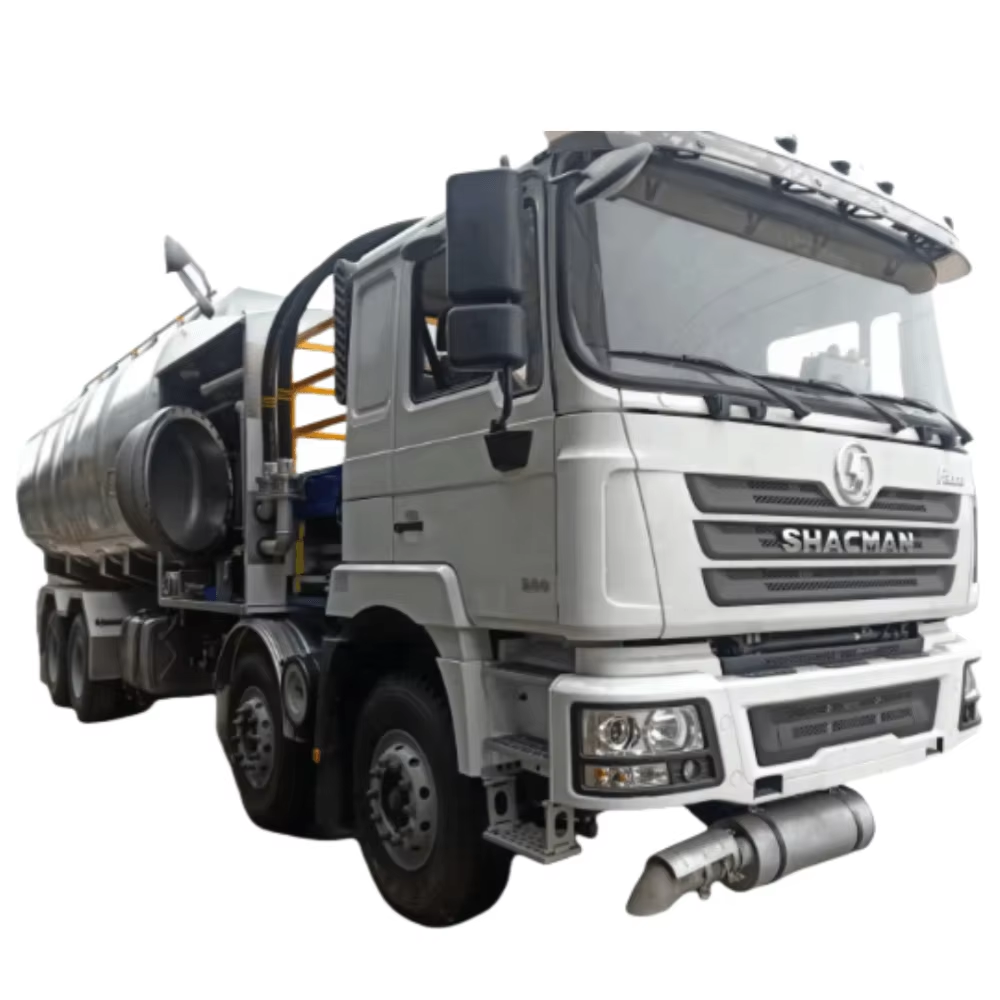
The Transition to Battery Energy Trucks in Commercial Freight
From Diesel to Electric: The Shift in Heavy-Duty Transport Powertrains
The freight business is moving away from diesel trucks toward battery powered alternatives as regulations get stricter on emissions and electric technology keeps improving. We're at something of a crossroads in heavy transport right now. Industry analysts are saying that by 2030, around 20% of all new commercial vehicle sales worldwide could be electric models, and many logistics companies are already working toward completely emission free fleets. Last year alone saw almost 30 thousand heavy duty trucks equipped with battery swapping systems, which doubled what was seen just one year before according to recent industry data. This kind of tech makes a real difference for operations in places like mines and ports where every minute lost counts against profits. Hydrogen fuel cells and biofuels still exist as options out there somewhere, but batteries have taken the lead because they scale quickly and work with most current infrastructure without needing massive overhauls.
How Advancements in Battery Technology Enable Freight Electrification
The latest generation of battery powered trucks uses lithium ion cells that pack around 350 Wh per kg of energy density. This advancement means these vehicles can cover roughly 400 miles on a single charge for regional delivery work. Recent improvements in thermal management systems have made it possible to reach 80 percent charge in less than 40 minutes. That kind of quick recharge capability really cuts down on waiting time when operating across state lines. What makes these developments so significant is how they tackle long standing problems with electric trucks. Range limitations and reduced cargo capacity used to make switching from diesel impractical. But now, electric models are becoming serious contenders even in tough markets like cold chain transportation where temperature control requirements add extra complexity to the equation.
Leading Fleet Operators Embracing Battery Energy Trucks
More than half of big logistics firms are now planning to get at least a third of their trucks running on electricity by the end of this decade. Companies that switched early saw around 18 to maybe 22 percent savings on maintenance bills when compared to traditional diesel engines. Waste collection services and city delivery operations tend to be ahead of the curve here, taking advantage of charging stations at depots during off hours and using those fancy regenerative brakes which help stretch out battery power. What makes all this work so well? The constant connection to telematics systems throughout the day and night allows for smart adjustments to how much energy gets used on different routes, making sure nothing goes to waste.
OEM Innovation Accelerating Market Adoption of Electric Trucks
The manufacturing sector is rolling out electric chassis specifically designed for freight work, complete with modular battery systems that make it easier to upgrade as new tech comes along. Newer trucks on the market come equipped with 800 volt charging systems and have two motors under the hood, producing around 605 horsepower which stacks up pretty well against standard Class 8 diesel engines. What's interesting about these newer designs is how they focus on making life better for drivers through improved seating positions and better airflow around the vehicle body. This attention to detail actually results in roughly 12 to maybe even 15 percent less energy consumption compared to older style cabs that we've been seeing for years.
Aligning Freight Electrification with Corporate Sustainability Goals
Businesses that switch to battery powered trucks are seeing somewhere around 40 to 60 percent cuts in direct greenhouse gas emissions, which helps them meet the goals set out in the Paris climate agreement. Nearly 8 out of 10 companies in the top Fortune 500 transportation sector have started linking how much money executives make to whether they hit certain electric truck targets. These big rigs are becoming essential components in many companies' plans to achieve carbon neutrality. State governments are also getting involved to speed things along. Take California for instance their High Pollution Reduction Program (HVIP) doled out almost $914 million last year specifically for getting heavy duty electric vehicles onto roads across the state.
Environmental Benefits of Battery Energy Trucks: Reducing Emissions and Improving Efficiency
Zero-Emission Operations: Comparing Environmental Impact of Diesel and Electric Trucks
Electric battery powered trucks completely cut out those pesky tailpipe emissions we see from traditional diesel models which spew harmful nitrogen oxides (NOx) and fine particles that can cause all sorts of breathing problems. Studies have found something pretty shocking actually - diesel freight trucks emit about 27 times the amount of CO2 per mile compared to electric versions when they're doing deliveries around cities. And let's put this into perspective: if companies replace just 100,000 diesel trucks with electric ones across regional logistics networks, we could stop roughly 8.7 million tons of greenhouse gases from entering our atmosphere each year. That's a massive environmental benefit right there.
Cutting Greenhouse Gas Emissions in Regional Hauling with Electric Fleets
Big rigs might only make up about 4% of all cars on the road, but they're responsible for a full quarter of transportation emissions. When companies switch to battery powered trucks and charge them with clean energy sources, research from 2023 shows these electric beasts cut down their overall carbon footprint by around 63% compared to traditional diesel engines. Some businesses that started using electric trucks in their local delivery operations have already seen impressive results too. One regional distributor reported cutting emissions by roughly 40% after just two years with an all-electric fleet. These numbers are pretty staggering when you think about what happens across the entire industry.
Superior Energy Efficiency of Battery Energy Trucks vs. Traditional Models
Electric vehicles manage to turn around 78% of electricity from the grid into actual power at the wheels, which beats traditional diesel engines hands down since they lose about two thirds of their fuel energy just turning into heat. When it comes to battery powered trucks, these things actually need about 37% less energy for every ton they move along highways. And let's not forget those regenerative brakes that can grab back roughly 20% of what gets used up when trucks are constantly stopping and starting in city traffic. All this added efficiency means operators could save somewhere around eighteen thousand dollars each year on fuel costs alone for individual delivery trucks working those final mile routes where deliveries happen right at customers' doors.
Battery Technology Breakthroughs Enhancing Performance and Reliability
Lithium-Ion and Next-Generation Chemistries for Heavy-Duty Applications
Modern battery energy trucks rely on lithium-ion technology for its proven energy density (300–500 Wh/L) and lifecycle durability (2,000+ cycles). Recent advancements introduce solid-state electrolytes and sodium-ion alternatives, which promise enhanced safety and reduced reliance on scarce minerals like cobalt.
Extending Range and Capacity of Battery Energy Trucks
Innovations in cathode architecture and cell stacking have increased commercial truck ranges by 40% since 2022, with some prototypes exceeding 500 miles per charge. High-nickel NMC formulations now deliver capacities above 350 Wh/kg, enabling heavier payloads without compromising efficiency.
Fast Charging Enabled by Advanced Thermal Management Systems
Next-gen thermal regulation systems cut DC fast-charging times to 45 minutes for 80% capacity—a 50% improvement from 2020 benchmarks. Phase-change materials and liquid-cooled packs maintain optimal temperatures during rapid charging, minimizing degradation risks.
Are Battery Innovations Outpacing Real-World Operational Needs?
While lab-tested cells achieve 1,000-mile theoretical ranges, real-world factors like cold-weather performance (–20°C operation) and charging infrastructure gaps limit practical adoption. However, 78% of fleet operators in a 2024 industry survey confirmed battery advancements align with their 2030 decarbonization targets.
Overcoming Challenges: Infrastructure, Range, and Cost Barriers
Charging Infrastructure Gaps in Heavy-Duty Electric Vehicle Deployment
Getting battery powered trucks onto our roads really depends on filling that big 80 percent gap in high power charging stations needed for heavy duty vehicles according to National Renewable Energy Lab research from last year. Cities are making some headway but out on those major freight routes we still don't have proper charging networks set up consistently across the board, which is holding things back quite a bit. The truth is, both utility companies and government agencies need to step up their game when it comes to upgrading electrical grids. These electric semi trucks require anywhere between 350 to 1,000 kilowatts when charging at peak times, something our current infrastructure simply isn't ready for yet.
Addressing Range Anxiety in Long-Haul Electric Truck Operations
Battery powered trucks today can generally go around 250 to maybe 300 miles before needing a recharge, though this falls short for those lengthy cross country trips. That's why we're seeing big players in the field setting up these battery swap stations roughly every 150 miles along our main highways. This approach cuts down waiting time dramatically, about 70 percent less than what fast charging takes according to Pike Research from last year. And it gets better too. The latest software tools for planning routes are getting smarter all the time. They figure out where best to stop for power based not just on current road conditions but also how heavy the load is and even changes in elevation across different stretches of highway.
Balancing High Upfront Costs with Long-Term Total Cost of Ownership Savings
Battery electric trucks definitely cost more upfront than their diesel counterparts, usually somewhere between $150k to $350k extra according to what fleet managers are saying. But look at the big picture and most operators find they save about 45% on running costs after just three years as reported by Calstart back in 2024. Why? Well, charging those batteries only runs about 18 cents per mile compared to almost 46 cents for diesel fuel. Plus there's way less maintenance needed since electric motors have roughly half the number of moving parts. And let's not forget the money coming in from government programs either – companies can pocket anywhere from seven thousand to fifteen grand each year through various state and federal incentive programs. Big name freight haulers tell us that the point where these trucks start making financial sense happens around the 100,000 mile mark, which isn't too bad considering some routes hit that mileage in under eighteen months. We're also starting to see new business models emerge where companies lease batteries separately from buying the actual truck itself, which helps cut down on initial investment costs quite a bit.
Economic Incentives and Policy Support Driving the Adoption of Battery Energy Trucks
Total Cost of Ownership: Fuel, Maintenance, and Government Incentives
Switching over to battery powered trucks saves operators around 40% on fuel costs and cuts maintenance bills by about 30%, according to recent industry reports from 2023. Governments are helping push this transition too. The US Inflation Reduction Act offers tax credits worth up to $40k for each electric heavy duty truck purchased while European countries slap fines on companies whose fleets don't meet CO2 standards. With these kinds of incentives, most freight companies find they can recoup the extra money spent on batteries within just three to five years despite the initial price tag being higher than traditional diesel models.
Policy Regulations Shaping the Future of Electric Truck Deployment
Fifteen U.S. states have implemented stricter emissions standards requiring all new trucks sold by 2035 to produce zero emissions. Meanwhile across Europe, the EU's Fit for 55 initiative connects transport decarbonization efforts directly to companies' carbon credit programs. Over in China, their Phase VI regulations pushed electric truck registrations among city delivery services up by 52% compared to last year alone. These kinds of regulations aren't just environmental mandates they also put real pressure on businesses to meet evolving ESG (Environmental, Social, Governance) standards. For instance, major logistics firms are finding themselves caught between compliance costs and shareholder expectations as they navigate this transition toward greener operations.
Integrating Renewable Energy with Electric Truck Charging Networks
Leading operators pair daytime solar-powered charging with overnight grid replenishment from wind sources, cutting fleet emissions by 78% compared to mixed-energy approaches. This synergy reduces energy costs by 22% while satisfying “clean charging” requirements in emerging state-level EV infrastructure grants.
FAQs about Battery Energy Trucks
Why are logistics companies switching to battery energy trucks?
Many logistics companies are transitioning towards battery energy trucks to achieve emission-free fleets and align with stricter environmental regulations. Battery trucks offer compelling benefits such as reduced fuel and maintenance costs, and they are instrumental in meeting corporate sustainability goals.
What challenges do fleet operators face in adopting electric trucks?
Fleet operators face challenges such as inadequate charging infrastructure, range limitations for long-haul trips, and high upfront costs compared to diesel trucks. However, advances in battery technology, government incentives, and emerging business models are progressively addressing these barriers.
How do battery energy trucks contribute towards reducing emissions?
Battery energy trucks eliminate tailpipe emissions and significantly reduce CO2 emissions compared to traditional diesel models. They are essential in cutting down transportation emissions, which big rigs contribute disproportionately to, despite representing a small percentage of overall vehicle numbers.
What role does innovation play in the transition to electric trucks?
Innovation plays a crucial role by providing advancements in battery technology such as quicker charging systems, increased range through improved cathode designs, and enhanced efficiency through telematics systems. These innovations enable broader adoption despite operational challenges.
How do battery energy trucks align with corporate sustainability goals?
Switching to electric trucks aids businesses in dramatically reducing greenhouse gas emissions, supporting sustainability targets outlined by international agreements like the Paris climate accord. Corporations are increasingly linking executive compensation to achieving these sustainability targets as well.
Table of Contents
-
The Transition to Battery Energy Trucks in Commercial Freight
- From Diesel to Electric: The Shift in Heavy-Duty Transport Powertrains
- How Advancements in Battery Technology Enable Freight Electrification
- Leading Fleet Operators Embracing Battery Energy Trucks
- OEM Innovation Accelerating Market Adoption of Electric Trucks
- Aligning Freight Electrification with Corporate Sustainability Goals
- Environmental Benefits of Battery Energy Trucks: Reducing Emissions and Improving Efficiency
- Battery Technology Breakthroughs Enhancing Performance and Reliability
- Overcoming Challenges: Infrastructure, Range, and Cost Barriers
- Economic Incentives and Policy Support Driving the Adoption of Battery Energy Trucks
-
FAQs about Battery Energy Trucks
- Why are logistics companies switching to battery energy trucks?
- What challenges do fleet operators face in adopting electric trucks?
- How do battery energy trucks contribute towards reducing emissions?
- What role does innovation play in the transition to electric trucks?
- How do battery energy trucks align with corporate sustainability goals?