
 EN
EN
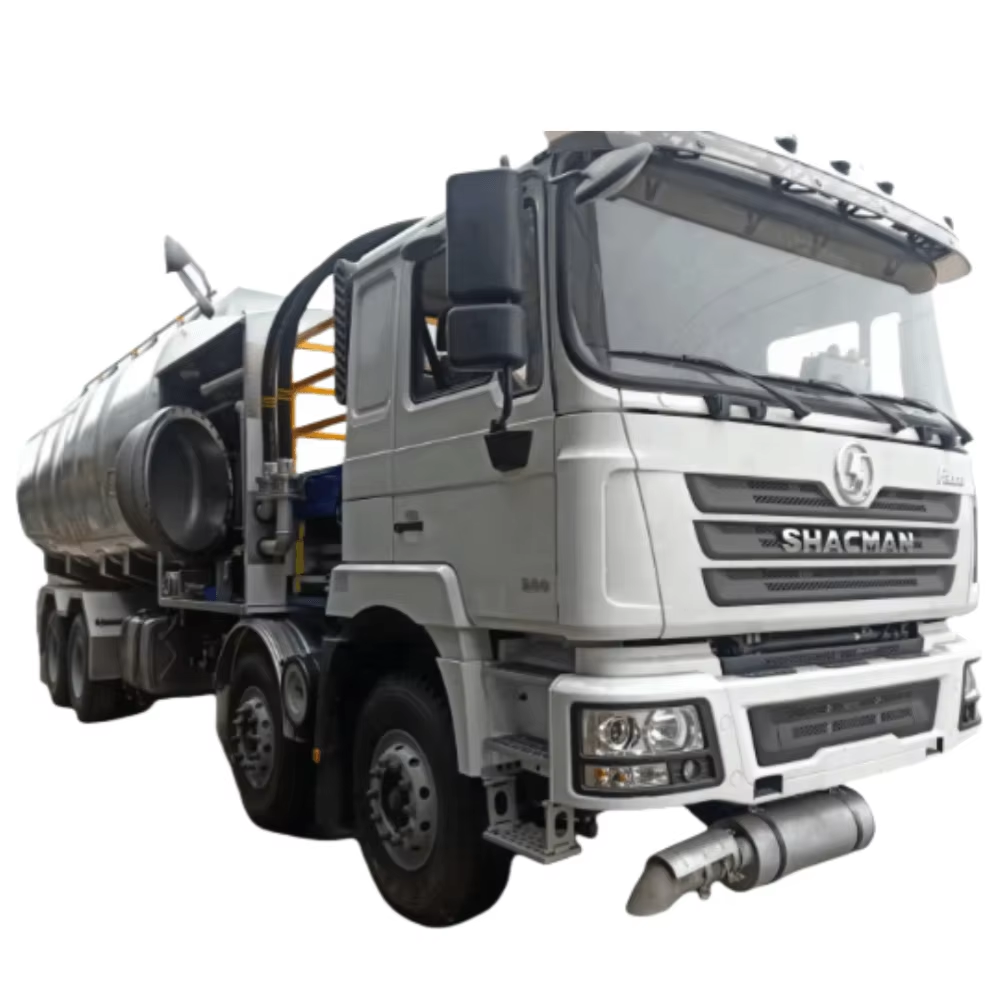
Real-Time Data Integration and IoT in Aviation Refueling Trucks
The Role of Real-Time Data in Optimizing Refueling Operations
Today's aviation refueling trucks send all sorts of operational data to central dashboards at airports, which helps ground crews cut down fuel waste anywhere from 9 to maybe even 14 percent when they can tweak things like pressure settings, how fast fuel flows, and when deliveries happen. According to a recent report looking at the aviation sector in 2024, airports that adopted these real time monitoring systems saw their fuel measurement accuracy jump to around 99.2%, not bad! Plus flights got off the ground on schedule 18% more often than before. What makes these systems so effective is their ability to look at current weather conditions, track delayed flights, and check past fuel usage records. Then they figure out what needs refueling first without anyone having to manually decide. This smart approach means planes get fueled faster and with fewer mistakes, ultimately making operations run smoother day after day.
IoT-Enabled Pumps and Smart Sensors for Precision Fueling
Next-generation IoT pumps self-calibrate every 3.7 seconds based on aircraft type and fuel viscosity, achieving ±0.25% measurement accuracy per 2023 ATA standards. Embedded sensors continuously monitor critical parameters:
| Parameter | Measurement Frequency | Industry Benchmark |
|---|---|---|
| Temperature | 5x/second | ±1.5°F |
| Pressure | 10x/second | ±2 psi |
| Flow consistency | Continuous | 98.7% stability |
This granular monitoring prevents overfill incidents by triggering automatic shutoffs within 0.8 seconds of reaching preset thresholds, as validated in IoT integration studies.
Fuel Monitoring and Leak Detection Using Advanced Sensor Networks
These fiber optic sensor networks can spot leaks down to just 0.05 gallons per minute throughout the whole vehicle exterior. When put through their paces in temperatures ranging from minus 40 degrees Fahrenheit all the way up to 120 degrees, they caught every single one of the test leaks we threw at them. What's really impressive is how they cut down on false positives too - around 83 percent fewer than what we see with older leak detection techniques according to SAE Aerospace research from last year. The sensors are so sensitive they catch problems early on but still maintain solid performance over time without breaking down or giving misleading readings.
Big Data Analytics for Fuel Consumption and Operational Efficiency
The machine learning models used here analyze around 22 thousand data points during each refueling operation, allowing them to predict demand with pretty impressive accuracy of about 94 percent, sometimes as far ahead as three days. When implemented at Frankfurt Airport, these systems managed to slash truck idling time by nearly 40 percent and brought down fuel transfer mistakes to only 0.02 percent of the total volume handled. That represents a massive leap forward compared to what was possible with manual methods according to the ICAO Efficiency Report from 2024. What makes all this so valuable is how it transforms mountains of raw numbers into practical guidance for airport managers who need to get their schedules right, staff appropriately, and allocate resources where they're needed most without wasting money or time.
Automation and AI in Aviation Refueling Truck Systems
Automated Fuel Management and Digital Control Interfaces
Fuel management systems that automate processes cut down on mistakes people make and make things run smoother on the ground. Operators can check how much fuel is left, tweak how fast it flows, and hit emergency stops when needed through digital controls. These setups work even better when they include good filters and sensors that update constantly. They handle around 1,200 gallons every minute without letting contaminants get through. The chance of spills drops about 40 percent over what happens with old school manual approaches. This helps airports stay ahead of new safety rules as regulations keep changing across different locations.
AI and Machine Learning for Predictive Refueling and Demand Forecasting
Algorithms powered by artificial intelligence look at past fuel consumption patterns along with weather information to forecast when refueling will be needed, getting it right around 92 times out of 100. This helps companies deploy their trucks smarter and keeps them from sitting idle too long. The same machine learning tech can predict when pumps and hoses might need fixing before they break down completely, which cuts unexpected downtime roughly in half. Speaking of real world applications, the US Air Force tested AI assisted pilots during refueling missions last year. They saw about a quarter improvement in how efficiently those missions ran, showing just how adaptable these smart logistics systems can be across different industries.
Autonomous Refueling Trucks: Current Pilots and Future Potential
Refueling trucks that have semi-autonomous capabilities and come fitted with LiDAR plus GPS technology are currently undergoing tests in big cities such as Dubai and Singapore. The trucks stick to routes that have been mapped out ahead of time, getting pretty close to exact positions down to the centimeter. This has cut down on refueling time during busy periods by around 18 percent according to recent trials. Full automation is still something for the future though, so many companies are going with hybrid approaches where people watch over the AI as it navigates. Some newer setups let just one person handle several trucks at once through central control panels, which makes things run smoother for the whole team working on site.
Balancing Automation with Human Oversight in Ground Operations
Even though technology keeps getting smarter all the time, people still need to be involved when making complicated decisions. Most modern systems have multiple sensors working together, along with backup safety measures that stop everything if something goes wrong, which means someone has to step in and fix it manually. Take aviation for instance the Federal Aviation Administration actually requires pilots (or ground crew) to remain part of the decision process during serious situations like unexpected fuel leaks or mechanical problems. When companies combine artificial intelligence's speed with actual human judgment, they end up cutting down on major mistakes by around half compared to just relying on humans alone. This mix of new tech and old fashioned common sense seems to work pretty well in practice, keeping things both innovative and safe at the same time.
Design Innovations for Safety, Speed, and Efficiency
Modern Aviation Refueling Truck Design Enhancing Operational Throughput
Contemporary refueling trucks feature modular chassis designs and low-profile cabins, reducing turnaround times by 18—22% compared to legacy models (Airport Operations Journal 2023). This design enables easier maneuvering in congested apron areas and improves visibility during fuel hookups, directly contributing to faster, safer operations.
High Flow Rate Pumping Systems and Rapid Refueling Capabilities
Advanced centrifugal pumping systems deliver flow rates exceeding 3,000 gallons per minute, allowing wide-body aircraft to be refueled in under 20 minutes. Adaptive pressure controls prevent fuel foaming, maintaining consistent flow even during high-demand periods. These capabilities are crucial for minimizing gate congestion and supporting tight turnaround schedules.
Integrated Safety Features and Redundancy in Fuel Delivery Systems
The latest truck models come equipped with complex sensor networks that meet the strict MIL-STD-882 aviation safety guidelines, giving them almost perfect leak detection capabilities at around 99.98%. The vehicles feature dual fuel circuits along with automatic shut off valves as backup protection against leaks. Additionally, they include electrostatic discharge systems which cut down on ignition hazards significantly - studies from NFPA in 2022 show these systems lower risk by about 84% when compared to older versions. All these safety features work together not just to protect workers but also to preserve valuable equipment over time.
Sustainable and Eco-Friendly Aviation Refueling Solutions
Airports around the world are starting to switch over to electric and hybrid versions of their aircraft fueling trucks. Take Amsterdam Schiphol for instance they've got a whole fleet running on zero emissions now, cutting down carbon pollution by about 40% when compared to old diesel models. The newer trucks come equipped with big battery packs and some kind of regenerative braking system that helps save power while these massive vehicles are moving around on the ground. For bigger airports where continuous operation is critical, there are also hybrid options available. These mix electric motors with small combustion engines so they can go further between charges, which makes sense given how busy international hubs get throughout the day without any downtime allowed.
Reducing Carbon Emissions through Green Ground Support Equipment
Research published in 2022 by Grim and colleagues in Energy & Environmental Science indicates that switching from standard refueling trucks to electric versions can slash operational emissions anywhere from 34 to almost 60 metric tons each year for every truck. Airports get even better results when they pair these electric trucks with Sustainable Aviation Fuel or SAF for short. The thing is, SAF cuts down on overall emissions by around 80 percent compared to regular Jet A-1 fuel. Major companies like Volvo and Caterpillar are already building their trucks to work with both SAF and conventional fuels. This dual capability makes sense as the aviation sector slowly moves toward becoming greener without having to scrap all existing infrastructure overnight.
Environmental Benefits of Sustainable Refueling Technologies
Electric refuelers get rid of those pesky particulates and NOx emissions right at the airport gate area, which makes a real difference for local air quality around runways and terminals. The latest models from companies such as ARC Refuellers come equipped with smart telematics systems built into their electric chassis. These systems keep tabs on how much energy is being used throughout operations. Based on some recent numbers from 2024, this tracking capability has actually helped cut down on idle time by about 22%. When combined with the growing use of sustainable aviation fuels (SAF), all these technological advances are doing their part toward meeting ICAO's ambitious goal of zero net emissions by mid century. Plus there's another bonus too - electric drivetrains mean fewer moving parts overall, so maintenance bills tend to be lower compared to traditional fuel powered alternatives.
FAQs about Aviation Refueling Trucks
How do IoT systems optimize aviation refueling operations?
IoT systems in refueling trucks optimize operations by providing real-time data that enables adjustments to pressure, flow rates, and delivery times. This results in reduced fuel waste, increased accuracy of fuel measurements, and improved on-time flight departures.
What is the role of AI in aviation refueling?
AI and machine learning are used to analyze past fueling patterns and predict future demand, ensuring efficient deployment of refueling trucks. AI algorithms also predict maintenance needs for pumps and hoses, reducing unexpected downtime.
What advancements have been made in refueling truck design?
Modern refueling trucks have modular designs and high-flow rate pumping systems, which increase operational throughput and efficiency. They also feature integrated safety systems for enhanced leak detection and lower ignition risks.
How are refueling trucks becoming more eco-friendly?
Refueling trucks are moving towards sustainability through the use of electric and hybrid systems, reducing carbon emissions. Incorporating sustainable aviation fuels further decreases the environmental impact of refueling operations.