
 EN
EN
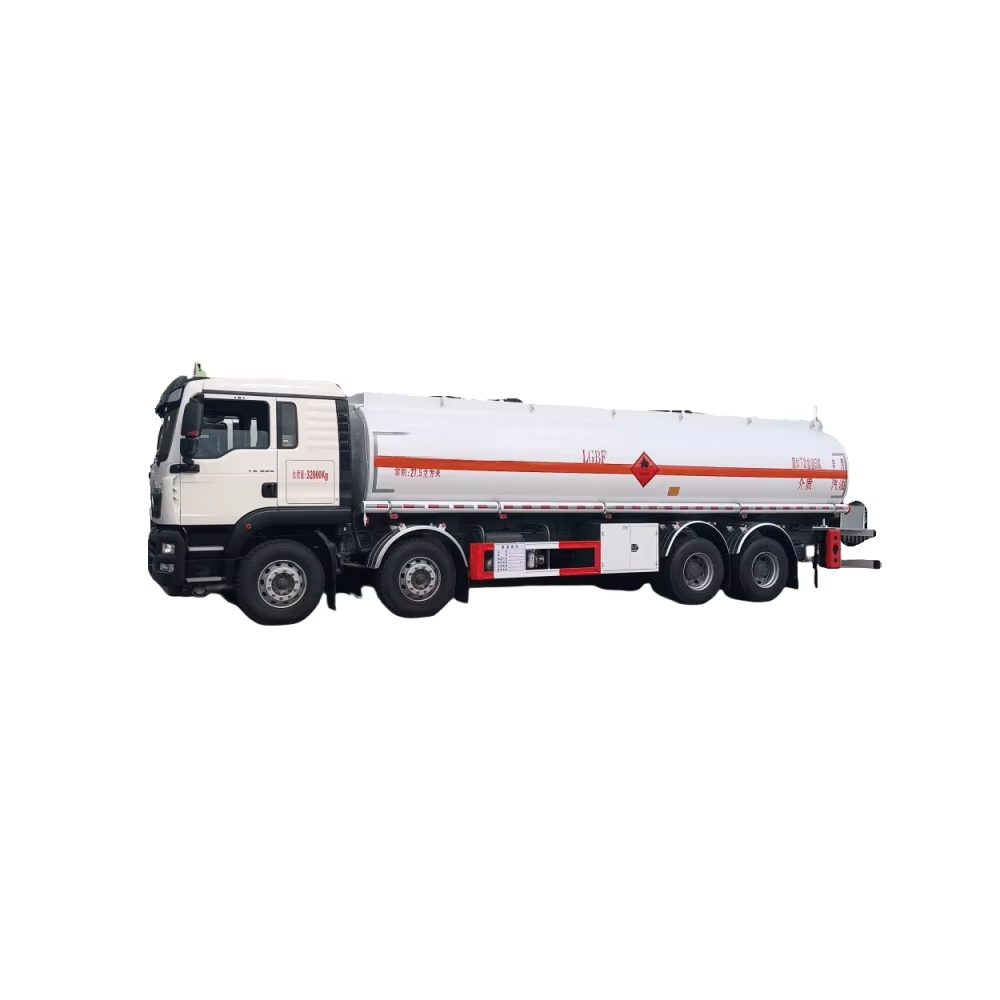
Acid Tankers in the Mining and Metal Processing Industries
The Critical Role of Acid Tankers in Mineral Extraction and Leaching
Acid tankers are essential for transporting large volumes of acidic reagents used in modern mineral extraction. Over 68% of copper, 52% of nickel, and 94% of rare earth element production rely on acid leaching methods (International Mining Association, 2023), making these specialized transport systems a cornerstone of efficient mining logistics.
Why Acidic Solutions Are Essential in Modern Mining Operations
When it comes to getting metals out of ores, acids like sulfuric and hydrochloric tend to work much better than just grinding things up mechanically. Take sulfuric acid for instance it can pull out around 95% of the copper from those tough porphyry deposits that miners love to hate. And don't get me started on hydrochloric acid, which has become pretty much essential for pulling titanium out of its ores. What's really interesting though is how these acid treatments cut down on energy consumption too. Most operations report saving somewhere between 30% to maybe 40% in energy costs when switching from old school smelting methods. That means not only do they save money, but they also produce fewer emissions overall, which makes everyone from plant managers to environmental regulators happy.
How Acid Tankers Enable Efficient Heap and In-Situ Leaching Processes
Modern acid tankers come with accurate metering systems and temperature controls that keep reagent delivery steady throughout leaching operations. The consistent dosing really makes a difference when working on delicate processes like recovering uranium from underground deposits where small variations can throw off results completely. Many models now feature dual compartments which let operators carry different acids at once, say nitric acid alongside hydrofluoric acid, so they can handle various kinds of ores without needing separate equipment for each type. This kind of flexibility saves time and money while maintaining safety standards during transportation between sites.
Case Study: Sulfuric Acid Transport in Copper Leaching (Chile, 2022)
A Chilean copper mine increased metal recovery by 15% after upgrading to rubber-lined acid tankers with automated pH monitoring. The $4.7M investment reduced monthly acid waste by 22,000 liters and ensured compliance with updated national hazardous materials regulations.
Trend: Rising Demand for Acid Tankers in Emerging Mining Regions
Africa’s cobalt belt and Southeast Asian tin operations now account for 38% of global acid tanker deployments (Frost & Sullivan, 2023). This growth reflects tighter environmental rules limiting on-site acid storage near ecologically vulnerable areas, increasing reliance on just-in-time delivery via mobile tankers.
Strategy: Integrating Acid Tankers into Closed-Loop Processing Systems
Leading mines now use acid tankers as mobile nodes in circular processing loops–spent acid returns to onboard neutralization units before being regenerated and reused. This integration reduces fresh acid consumption by 18–25% and supports zero liquid discharge (ZLD) compliance, aligning with sustainability goals.
Design and Materials of Acid-Resistant Tankers for Industrial Use
Material Selection for Corrosion Resistance in Acid Tanker Construction
How long acid tankers last really comes down to what materials go into building them. Most professionals in the field swear by 316L stainless steel because it stands up well against chloride corrosion issues, especially when dealing with those nasty nitric and phosphoric acids according to standards set out in ASME BPE-2023. Then there's FRP or Fiberglass Reinforced Plastic which has become quite popular too. These tanks are lighter weight but still tough enough for transporting sulfuric and hydrochloric acids across different sites. When budget constraints matter most, many companies opt for rubber lined steel instead. This combination gives good structural integrity while protecting against chemicals at the same time. Maintenance crews report seeing around 40 percent longer between required servicing compared to regular tanks without any lining, as noted in recent findings from Piping Systems Report back in 2022.
| Material | Acid Compatibility | Temperature Range | Lifespan |
|---|---|---|---|
| 316L Stainless Steel | Nitric, Phosphoric | -50°C to 300°C | 15–20 years |
| FRP | Sulfuric, Hydrochloric | -40°C to 120°C | 10–15 years |
| Rubber-Lined Steel | Hydrofluoric, Mixed acids | -30°C to 100°C | 12–18 years |
Rubber-Lined Tanks: Durability and Performance in Harsh Environments
Rubber-lined tanks have proven highly effective in extreme conditions. Units featuring butyl or neoprene linings show 92% fewer stress fractures than epoxy-coated alternatives in Chilean copper operations. Their ability to remain elastic at temperatures as low as -40°C makes them ideal for Arctic and high-altitude mining sites.
Engineering Standards for Sulfuric Acid Tank Fabrication
Transporting concentrated sulfuric acid (98% H₂SO₂) requires strict adherence to NACE MR0175 for weld integrity and ASME Section VIII Div. 1 for pressure containment. Industry-wide adoption of double-welded joints has reduced leak incidents by 67% (Chemical Safety Board 2023), replacing outdated single-pass techniques.
Secondary Containment and Linings to Prevent Environmental Leaks
To prevent environmental contamination, EPA 40 CFR 264.193 mandates secondary containment structures capable of holding 110% of tank volume. Facilities increasingly use HDPE geo-membranes (2.0mm thick, 200% elongation capacity), which contain 99.8% of simulated 500-gallon spills (Containment Systems Study 2022).
Safety Protocols and Risk Management in Acid Tanker Operations
Risk Mitigation Frameworks for Safe Acid Handling and Transport
Effective risk management includes spill containment, grounding systems, and emergency shutoff valves aligned with NFPA chemical safety codes. Tankers equipped with automated pressure monitoring have seen a 41% reduction in incidents compared to manually monitored systems (2023 industry report).
Maintenance Procedures and Compliance for Acid Tankers
Regular maintenance is critical for safety and regulatory compliance. The DOT mandates annual ultrasonic thickness testing for sulfuric acid tanks, with non-compliant operators facing average penalties of $74,000 (2023 audit data). Rubber-lined tanks require monthly inspections, as even minor cracks–down to 2mm–can compromise structural integrity.
Protecting Workers: PPE and Emergency Response for Acid Exposure
Personnel handling 98% sulfuric acid must wear Category III PPE, including butyl rubber gloves and full-face respirators, per OSHA Standard 1910.1200. Remote-controlled neutralization systems have reduced human exposure during spills by 83% (Chemical Safety Board 2022). VR-based training simulations have improved emergency response accuracy to 94%, enhancing readiness across mining teams.
Minimizing Environmental Risks Through Proper Acid Tanker Maintenance
Proactive maintenance prevents up to 70% of containment failures caused by corrosion or weld fatigue. Operators using predictive maintenance technologies report a 52% lower risk of acid leakage (2023 industry audit). Key practices include:
- Ultrasonic thickness testing every 90 days
- Valve seal replacement before 500 operational hours
- Mandatory liner checks after transporting >98% sulfuric acid
Compliance with OSHA, ISO, and REACH Standards in Acid Handling
Adherence to international standards ensures safety and chemical compatibility. ISO 12922-certified tankers were linked to a 38% reduction in hazardous incidents across 214 mining sites (2025 Mining Compliance Standards Report). Core requirements include:
- OSHA 1910.119: Annual pressure testing of storage vessels
- ISO 28300: Third-party certification for hydrofluoric acid tankers
- REACH Annex XVII: Phaseout of cadmium-containing components by Q3 2026
Spill Prevention and Waste Stream Management in Acid Operations
Closed-loop neutralization recovers 92% of spent acid for reuse, significantly reducing wastewater. Combined with automated pH sensors and geosynthetic clay liners (GCLs), operators achieve 99.8% spill containment during transfers. Emerging best practices include:
- Satellite-monitored secondary containment berms
- AI-driven forecasting to minimize acid overstocking
- Blockchain-tracked disposal of hazardous byproducts like arsenic-laden sludge
Applications of Acid Tankers in Metal Refining and Rare Earth Processing
Modern mining relies on acid tankers to support complex chemical workflows in refining and rare earth processing, ensuring precise, continuous delivery of aggressive reagents.
Integrating Acid Storage into Metal Refining Process Workflows
Acid tankers deliver concentrated chemical solutions straight into electrowinning units and solvent extraction systems, which helps produce metals at very high purity levels including copper, nickel, and those precious platinum group elements. According to recent industry data from early 2024, around three out of four platinum refiners now rely on rubber lined tankers capable of handling sulfuric acid concentrations above 98%. When these tankers connect directly to autoclaves and leaching circuits, they cut down on equipment idling time and keep the whole processing chain running smoothly without interruptions.
| Acid Type | Metal Application | Tanker Lining Material |
|---|---|---|
| Sulfuric (H₂SO₂) | Copper/zinc electrowinning | Chlorobutyl rubber |
| Hydrochloric (HCl) | Titanium sponge production | Fluoropolymer composite |
Use of Hydrofluoric and Sulfuric Acids in Rare Earth Element Recovery
Hydrofluoric acid, or HF as it's commonly known, breaks down the mineral structures found in certain types of clay deposits which makes it possible to separate out rare earth elements. The problem? Safety is a major concern here. According to recent data, just around 12 percent of companies worldwide actually follow the ISO 10156 guidelines when transporting this dangerous substance. That's because handling HF requires special precautions given how hazardous it really is. But there have been some improvements lately. New tankers with two separate compartments can now transport both HF and sulfuric acid together at a safe 2 to 1 mixture ratio. These designs help boost the efficiency of the leaching process while keeping different chemicals from mixing accidentally during transit.
Managing Chemical Reactivity and Storage Incompatibilities in Mining
In lithium brine operations, three-layer containment systems mitigate risks when transporting reactive acids near organic agents. A 2023 incident analysis showed polypropylene-lined secondary barriers reduced cross-contamination by 62%. Real-time pH monitoring alerts operators to potential incompatibilities during simultaneous unloading, preventing dangerous reactions.
FAQ: Acid Tankers in the Mining Industry
What are acid tankers used for in mining?
Acid tankers transport acidic reagents necessary for mineral extraction processes like leaching. They play a critical role in ensuring efficient and safe delivery of acids used in copper, nickel, and rare earth element production.
What materials are best for acid tanker construction?
Materials like 316L stainless steel and Fiberglass Reinforced Plastic (FRP) are commonly used due to their corrosion resistance. Rubber-lined steel is often chosen for cost-effectiveness while still providing good structural integrity.
How do acid tankers contribute to environmental protection?
Acid tankers with features such as secondary containment structures and predictive maintenance technologies help minimize environmental risks by preventing acid leaks and spills.
What safety measures are recommended for handling acid tankers?
Safety protocols include regular maintenance checks, adherence to OSHA and NFPA safety codes, and ensuring workers use proper personal protective equipment (PPE) when handling acids.
How do acid tankers aid in rare earth element recovery?
Acid tankers transport hydrofluoric and sulfuric acids needed to break down mineral structures in clay deposits, facilitating the extraction of rare earth elements.
Table of Contents
- Acid Tankers in the Mining and Metal Processing Industries
- Design and Materials of Acid-Resistant Tankers for Industrial Use
- Safety Protocols and Risk Management in Acid Tanker Operations
- Minimizing Environmental Risks Through Proper Acid Tanker Maintenance
- Compliance with OSHA, ISO, and REACH Standards in Acid Handling
- Spill Prevention and Waste Stream Management in Acid Operations
- Applications of Acid Tankers in Metal Refining and Rare Earth Processing
- FAQ: Acid Tankers in the Mining Industry