
 EN
EN
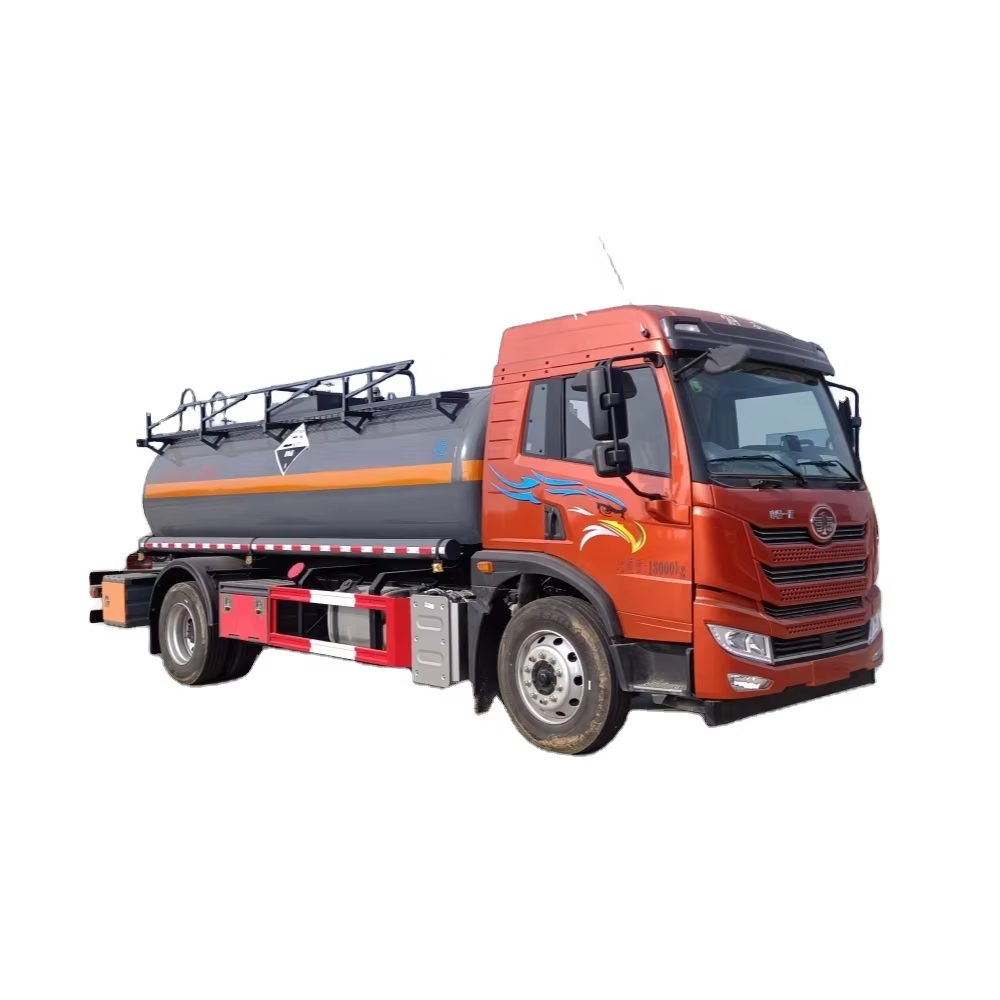
Why 316 Stainless Steel Excels in Corrosive Chemical Transport
The Limitations of Standard Stainless Steels in Chloride-Rich Environments
Regular old 304 stainless steel doesn't hold up well when exposed to environments rich in chlorides like those found along coastal shipping lanes or inside chemical processing plants. The problem comes from chloride ions that actually work their way through the protective chromium oxide layer on the surface. Once this happens, pitting corrosion starts happening pretty fast too about 1.2 mm per year according to some recent studies from NACE back in 2022. What does all this mean? Tanker walls start breaking down much sooner than expected. Industry numbers tell us something interesting here too: ships built with 304 stainless cost around 18 percent more to maintain over five years compared to those made with 316 grade material. Makes sense why many operators are switching materials these days.
How Molybdenum Enhances Corrosion Resistance in 316 Stainless Steel
Adding around 2-3% molybdenum to 316 stainless steel makes a big difference when it comes to resisting chloride damage. What happens is the molybdenum actually reinforces that thin layer of protection on the metal surface while also making it harder for chlorides to stick around. According to some tests done back in 2021 by Laboratoire Ductilité, this means about half as much pitting corrosion compared to regular 304 stainless steel in saltwater environments. The benefits go further too. Grade 316 can handle being in contact with sulfuric acid and hydrochloric acid solutions at concentrations as high as 10% for extended periods without breaking down much. That's why many industries rely on this alloy when moving corrosive chemicals through pipelines or storage tanks.
Comparative Analysis: 316 vs. 304 Stainless Steel for Chemical Tankers
| Property | 316 Stainless Steel | 304 Stainless Steel |
|---|---|---|
| Chloride Resistance | ± 1000 ppm | ± 200 ppm |
| Pitting Temperature* | 60°C (140°F) | 25°C (77°F) |
| 10-Year Maintenance Cost | $12,000 | $28,500 |
*In 3.5% NaCl solution (ASTM G48 testing)
316’s lifecycle advantages are especially evident in marine and industrial applications, where its 20-year service life exceeds that of 304 by 2.8x. For transporting corrosive substances like sodium hypochlorite or acidic crude derivatives, 316’s CF8M casting-grade equivalent ensures leak-free performance under operating pressures up to 250 PSI.
Core Mechanical and Chemical Properties of 316 Stainless Steel in Tanker Construction
Chemical Composition and Structural Integrity of 316 Stainless Steel
The excellent performance of 316 stainless steel comes down to its chemical makeup: around 16.5 to 18.5 percent chromium, approximately 10 to 13 percent nickel, plus about 2 to 3 percent molybdenum. Chromium creates that protective passive layer which helps resist general corrosion. Molybdenum plays a special role too, fighting off chloride induced pitting problems that plague 304 steel when exposed to salt water or other harsh chemicals. Research shows these materials can cut down on corrosion by as much as 40% in salty environments. What's more, 316 keeps its strength ratings somewhere between 515 and 795 MPa even after sitting in contact with acidic substances for long periods, so structures stay intact and safe.
Strength and Durability Under Pressure: Performance in Real-World Conditions
316 stainless steel has impressive strength properties too, with yield strengths hitting around 315 MPa and elongation rates between 35 to 50 percent. This makes it really good at holding up under pressure when transferring materials and going through those temperature changes we all know happen in industrial settings. Tests have shown these components can handle internal pressures well above 100 PSI without any weld failures, which is actually about 25 percent better performance compared to standard 304 grade steel. What does this mean in real world applications? Fewer problems from metal fatigue basically. Looking at actual usage data from the field, tankers made with 316 stainless need roughly half as many structural repairs after ten years of operation in harsh environments where corrosion is constantly a concern.
Real-World Performance of 316 Tanker Trucks in Hazardous Material Transport
Applications in Petrochemical Logistics and Corrosive Chemical Transport
316 stainless steel is highly effective for transporting aggressive chemicals such as sulfuric acid and brine solutions with salinity over 50,000 ppm. Its molybdenum-enhanced structure prevents stress corrosion cracking in critical operations:
- Petrochemical byproducts: Stable with benzene derivatives and ethylene glycol mixtures
- Industrial cleaners: Resistant to sodium hydroxide and hydrochloric acid solutions
- Drilling fluids: Endures abrasive slurries containing calcium chloride and barite
Safety, Compliance, and Reliability in Regulated Chemical Transport
316 tankers maintain leak-free operation for 5–7 years on average, reducing regulatory violations by 82% compared to standard stainless steels. Key compliance benefits include:
- 0.2 annual corrosion-related repairs vs. 1.7 for 304 models
- 94% retained wall thickness after ten years
- Compatibility with automated thickness monitoring systems for DOT compliance
Case Study: Longevity of 316 Tankers in Coastal and High-Salinity Routes
A 10-year Gulf Coast study found 316 tanker trucks required 47% fewer maintenance interventions than 304 equivalents in high-salt environments. Results showed:
| Metric | 316 Performance | 304 Performance |
|---|---|---|
| Service life | 18 years | 12 years |
| Residual wall thickness | 94% | 78% |
| Annual downtime | 6 hours | 42 hours |
These results validate 316’s suitability for marine routes where airborne salinity averages 3.5 mg/m³, justifying its 22% higher initial cost through lower lifecycle expenses.
Total Cost of Ownership: Durability and Maintenance Efficiency of 316 Tanker Trucks
Wear Rates and Maintenance Intervals: 316 vs. 304 and Coated Carbon Steel
316 stainless steel offers an average service life of 18 years, outperforming 304 models (12 years) due to its 2–3% molybdenum content, which reduces chloride-driven corrosion by 30–40% at weld zones.
| Metric | 316 Stainless Steel | 304 Stainless Steel |
|---|---|---|
| Annual corrosion repairs | 0.2/year | 1.7/year |
| Residual wall thickness | 94% retained | 78% retained |
| Fleet downtime | 7 days/year | 14 days/year |
Field data from the 2024 Material Durability Report shows 316 requires 78% fewer maintenance events in coastal operations, minimizing unplanned downtime. Coated carbon steel tanks perform worse, needing full relining every 3–4 years, compared to 316’s 8-year intervals.
Life-Cycle ROI: Economic Advantages of Investing in a 316 Tanker Truck
Although 316 has a 20–30% higher initial cost than 304, operational savings offset this within 5–7 years in corrosive settings. Key financial outcomes include:
| Cost Factor | 316 Stainless Steel | 304 Stainless Steel |
|---|---|---|
| Annual maintenance | $5,200 | $8,400 |
| Relining costs/cycle | $27,000 | $34,000 |
| Residual value | 40% after 15 years | 25% after 15 years |
Fleets using 316 tankers in high-salinity regions reduced replacement costs by 23% annually (Ponemon Institute, 2023). With 94% wall thickness retention after a decade, contamination risks remain low, supporting continuous compliance with DOT HM-232 safety standards. Over 20 years, total ownership costs are 38% lower than coated carbon steel when factoring in reliability and depreciation.
Strategic Deployment: Matching 316 Tanker Trucks to Route and Cargo Demands
When to Choose a 316 Tanker Based on Chemical Exposure and Geography
When transporting chlorides, acids, or solvents across areas with high salt content, going with a 316 tanker makes all the difference. Places such as coastal routes, marine terminals, and regions where roads get heavily salted during winter need that extra protection from the 2 to 3 percent molybdenum found in grade 316 stainless steel. This gives it around twenty percent better resistance against pitting corrosion compared to regular stainless steel grades. Take the Gulf Coast or North Sea for instance – chloride concentrations there frequently go beyond fifty parts per million, right at the point where standard 304 tanks start showing signs of wear much faster. A recent industry report from last year showed that 316 tanks keep about 98% of their original strength even after sitting out in those harsh environments for a decade, while similar 304 models only manage around 72%. Makes sense why so many operators prefer the investment in long term durability.
Critical Use Cases: Marine, Coastal, and Acidic Chemical Transport Routes
316 excels in three high-risk scenarios:
- Marine chemical logistics: Resists saltwater aerosol corrosion during port transfers
- Coastal bulk transport: Maintains durability in humid, salt-rich air over multi-year service
- Acidic concentrates (pH <2): Safely carries sulfuric, hydrochloric, and nitric acids without liner breakdown
A 2024 fleet analysis found operators using 316 tanks for coastal chloralkali transport cut unscheduled maintenance by 50% compared to coated carbon steel. These units also meet strict EPA and ADR standards for hazardous material containment, ensuring safety during temperature fluctuations and pressure changes common in long-haul chemical hauling.
FAQ
What makes 316 stainless steel better than 304 stainless steel for corrosive chemical transport?
316 stainless steel contains molybdenum, which enhances its corrosion resistance, particularly in chloride-rich environments. This makes 316 more suitable for applications in marine and industrial settings where corrosive substances are prevalent.
What are the main advantages of using 316 stainless steel tankers over 304?
316 stainless steel tankers have a longer service life, lower maintenance costs, and better resistance to chloride-induced corrosion compared to 304 stainless steel. They are ideal for transporting chemicals under harsh conditions.
Is the initial cost of 316 stainless steel tankers justified?
Yes, despite their higher initial cost, 316 stainless steel tankers offer long-term savings through reduced maintenance, extended service life, and fewer corrosion-related repairs, making them economically advantageous in the long run.
How does molybdenum improve the performance of 316 stainless steel?
Molybdenum reinforces the protective layer on the steel surface and reduces the adhesion of chlorides, significantly decreasing the rate of corrosion and improving the metal's durability in corrosive environments.
Table of Contents
- Why 316 Stainless Steel Excels in Corrosive Chemical Transport
- Core Mechanical and Chemical Properties of 316 Stainless Steel in Tanker Construction
- Real-World Performance of 316 Tanker Trucks in Hazardous Material Transport
- Total Cost of Ownership: Durability and Maintenance Efficiency of 316 Tanker Trucks
- Strategic Deployment: Matching 316 Tanker Trucks to Route and Cargo Demands
-
FAQ
- What makes 316 stainless steel better than 304 stainless steel for corrosive chemical transport?
- What are the main advantages of using 316 stainless steel tankers over 304?
- Is the initial cost of 316 stainless steel tankers justified?
- How does molybdenum improve the performance of 316 stainless steel?