
 EN
EN
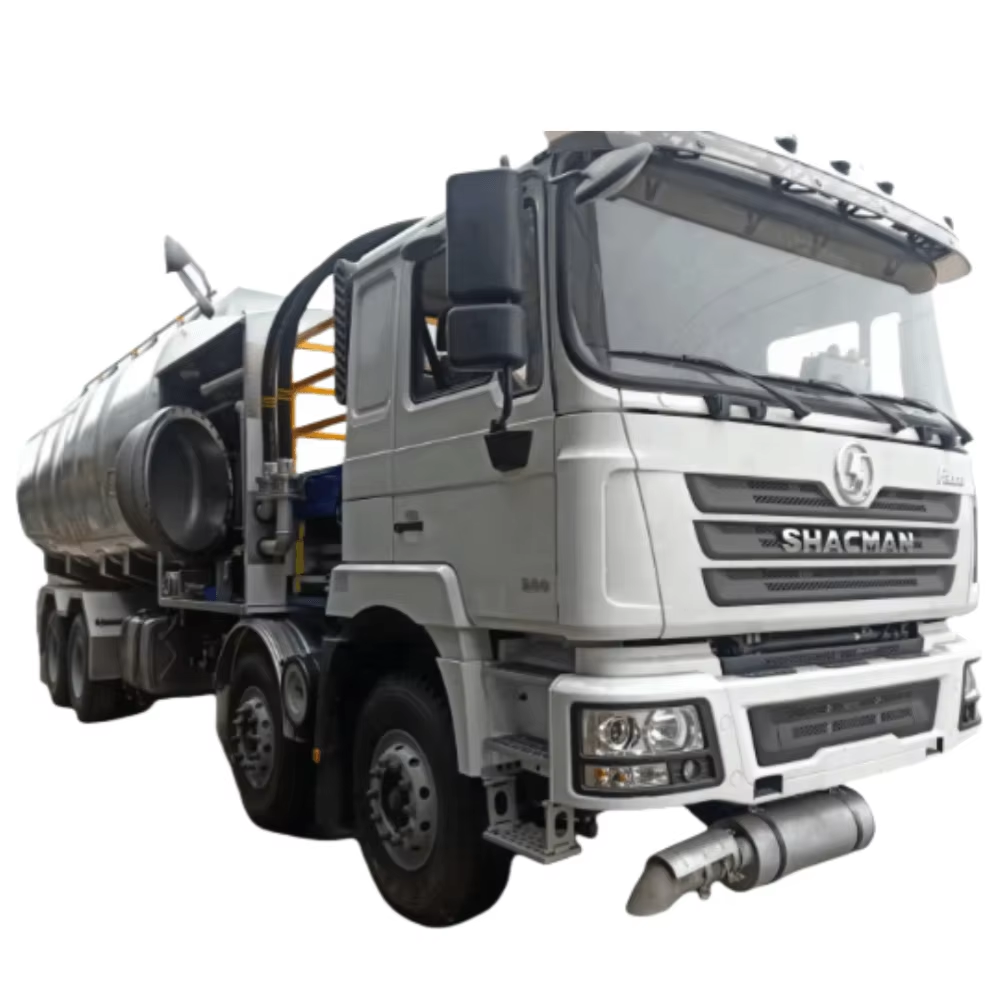
The Growing Need for Fuel Efficiency in Aviation Refueling Trucks
As global air traffic rebounds, airports face intensifying pressure to optimize aviation refueling truck operations. These specialized vehicles account for 14% of airport ground service energy use (Air Transport Action Group 2023), making their efficiency critical for both environmental compliance and cost containment.
Rising Pressure to Reduce Fuel Wastage in Airport Ground Operations
Modern aviation refueling trucks now incorporate real-time fuel monitoring systems that prevent spillage and overfilling—key contributors to the estimated $220M in annual aviation fuel waste industry-wide. European airports have reduced refueling-related fuel loss by 37% since 2020 through such technologies.
Role of Aviation Refueling Trucks in Airport Energy Consumption and Emissions
Diesel-powered refueling vehicles produce 6.8 metric tons of CO₂ annually per truck under typical operating conditions. Leading Asian hubs now mandate electric auxiliary power units that cut idle emissions by 89% while maintaining hydraulic pumping capacity.
Impact of Fuel Price Volatility on Operational Costs for Ground Services
The 58% surge in jet fuel prices from 2020–2023 forced airports to re-evaluate refueling protocols. Precision flow-control systems in modern trucks now enable 95.4% fuel delivery accuracy, reducing annual consumption by 13,000 liters per vehicle compared to older models.
Automated Fuel Management Systems in Aviation Refueling Trucks
Real-Time Data Integration for Precise Aircraft Refueling Control
Modern aviation refueling trucks use real-time data systems to synchronize fuel delivery with aircraft requirements. These systems analyze variables like tank capacity, fuel type, and environmental conditions to adjust flow rates dynamically. Integrating aircraft weight data ensures optimal fuel loads while preventing costly overfilling.
Fuel Monitoring Sensors to Prevent Overfilling and Spillage
Advanced sensors track fuel levels, pressure, and temperature during refueling operations. A 2024 aviation safety study found that these sensors reduce spill risks by 92% compared to manual methods. By automatically shutting off valves at predefined thresholds, they minimize environmental hazards and comply with stringent airport safety protocols.
Digital Supply Chain Automation in Modern Aviation Refueling Trucks
Automated inventory management systems streamline fuel procurement and delivery across airport networks. Real-time tracking of fuel reserves eliminates shortages and reduces truck idle time by 18%. This integration with airport logistics platforms ensures timely refueling while cutting administrative overhead by 30% (Ponemon 2023).
Advanced Technological Components That Improve Fuel Efficiency
Eco-Friendly Design Features of Aviation Refueling Trucks
Modern aviation refueling trucks incorporate lightweight composite materials and aerodynamic profiles that reduce drag by up to 18% (Energy.gov 2023). These design improvements, combined with energy-efficient auxiliary power units, lower fuel consumption during standby operations by 23% compared to conventional models.
Precision Flow Rate Control for Efficient and Safe Fuel Delivery
Advanced metering systems with ±0.5% accuracy ensure exact fuel transfer volumes, eliminating the 2–5% overdelivery common in manual operations. Real-time viscosity compensation algorithms adjust pumping parameters for different jet fuel types, maintaining optimal flow rates of 1,000–1,500 liters/minute while preventing pressure surges.
Automated and Autonomous Ground Refueling Technologies (AAGR)
AAGR systems using LiDAR mapping and RFID aircraft identification enable 98% hands-free operation, reducing engine idle time by 40% during refueling processes. These technologies cut annual CO₂ emissions by 12 metric tons per truck through optimized routing and reduced acceleration cycles.
Balancing Automation With Human Oversight in Fueling Safety
While automated systems handle 83% of standard refueling tasks, trained technicians monitor emergency shutdown protocols and verify seal integrity—a critical safeguard that prevented 47 fuel spill incidents at U.S. airports in 2023.
Case Study: Smart Refueling Implementation at Major International Airports
Frankfurt Airport’s Adoption of Smart Aviation Refueling Truck Systems
Frankfurt Airport, Europe’s third-busiest aviation hub, has deployed IoT-enabled aviation refueling trucks to optimize fuel delivery. These systems integrate live weather data, aircraft-specific fueling requirements, and traffic patterns to calculate precise refueling schedules. A 2023 efficiency audit revealed that automation reduced idle time for refueling trucks by 22%, minimizing unnecessary fuel burn during ground operations.
Measured Reductions in Fuel Consumption and Carbon Emissions
Since implementing smart refueling protocols in 2022, the airport reported a 12% annual drop in aviation fuel waste—equivalent to 840 metric tons of CO₂ savings. Infrared leak detection sensors on refueling trucks prevented 34 potential spill incidents in Q1 2024 alone. These advancements align with the Airport Carbon Accreditation program’s Stage 3 requirements for emission reductions.
Operational Benefits: Lower Maintenance and Improved Energy Efficiency
Smart trucks’ predictive maintenance algorithms cut hydraulic system repair costs by 18% compared to legacy models, according to Fraport AG’s 2024 sustainability report. The upgraded fleet also achieved: - 9% faster refueling turnaround times through automated pressure calibration - 15% energy savings from electrically operated pumps replacing diesel-dependent systems Ground crews now monitor fuel transactions via centralized dashboards, reducing manual checks by 40%.
Future Trends: Digitalization and Sustainability in Aviation Refueling Trucks
Expansion of Real-Time Data Technology in Asia-Pacific Aviation Hubs
Airports across Asia Pacific are really pushing forward with real time data in their aviation refueling operations. Take Changi Airport in Singapore and Shanghai Pudong International as examples where they've rolled out cloud based fuel management systems. What these platforms do is match up when planes need fuel with actual flight schedules. The result? Fuel trucks spend less time just sitting around waiting. Some reports show idle times dropping between 18 to 22 percent thanks to smart algorithms that factor in things like changing weather conditions, ground traffic congestion, and even how much fuel different aircraft actually carry. For airport managers, this means better efficiency and lower operational costs while keeping flights on schedule.
Projected Growth in Demand for Autonomous Refueling Technology by 2030
The industry is expecting quite a jump in autonomous aviation refueling trucks over the next decade, around 37% compound annual growth rate by 2030. This trend makes sense when we look at falling labor costs and stricter safety regulations across airports worldwide. What's really interesting though are these new machine learning systems guiding refueling operations. They've managed to hit nearly perfect nozzle placement at 99.8% accuracy, which means planes get fueled much quicker too about 25% faster than what humans can do manually. And this matters a lot because regional air traffic is set to grow by about 34% according to IATA numbers from last year. Airlines need these improvements badly as passenger demand keeps rising.
Evaluating Upfront Investment Versus Long-Term Fuel Savings Strategies
Smart aviation refueling trucks do cost about 35 to 40 percent more upfront compared to regular ones, but they come with these fancy predictive maintenance systems that cut down on unexpected breakdowns by nearly 30%. The Air Transport IT Summit 2024 actually cited this figure. At Dubai International Airport, operators have seen their lifetime emissions drop by around 18% thanks to trucks that are digitally optimized. These improvements come from better combustion control and smarter routing. The return on investment happens pretty quickly too, usually within just over four years when factoring in all those saved dollars on both fuel and maintenance costs together.
FAQ
Why is fuel efficiency important for aviation refueling trucks?
Fuel efficiency in aviation refueling trucks is important because these vehicles significantly contribute to airport energy use and emissions. Improving efficiency helps reduce environmental impact and operational costs.
How do modern aviation refueling trucks prevent fuel wastage?
Modern trucks use real-time fuel monitoring systems and advanced sensors to prevent spillage and overfilling, significantly reducing fuel wastage.
What technologies are used in automated fuel management systems in trucks?
Automated fuel management systems in trucks employ real-time data integration, fuel monitoring sensors, and digital supply chain automation to ensure precise control and efficient operations.
How do technological advancements improve fuel delivery efficiency?
Innovations like precision flow rate control and eco-friendly design reduce drag, enhance fuel transfer accuracy, and lower fuel consumption during operations.
What are the benefits of autonomous refueling technology?
Autonomous refueling technologies improve accuracy, reduce idle times and emissions, and lower operational costs. They help in faster and safer refueling processes.
Table of Contents
- The Growing Need for Fuel Efficiency in Aviation Refueling Trucks
- Automated Fuel Management Systems in Aviation Refueling Trucks
-
Advanced Technological Components That Improve Fuel Efficiency
- Eco-Friendly Design Features of Aviation Refueling Trucks
- Precision Flow Rate Control for Efficient and Safe Fuel Delivery
- Automated and Autonomous Ground Refueling Technologies (AAGR)
- Balancing Automation With Human Oversight in Fueling Safety
- Case Study: Smart Refueling Implementation at Major International Airports
- Frankfurt Airport’s Adoption of Smart Aviation Refueling Truck Systems
- Measured Reductions in Fuel Consumption and Carbon Emissions
- Operational Benefits: Lower Maintenance and Improved Energy Efficiency
- Future Trends: Digitalization and Sustainability in Aviation Refueling Trucks
-
FAQ
- Why is fuel efficiency important for aviation refueling trucks?
- How do modern aviation refueling trucks prevent fuel wastage?
- What technologies are used in automated fuel management systems in trucks?
- How do technological advancements improve fuel delivery efficiency?
- What are the benefits of autonomous refueling technology?