
 EN
EN
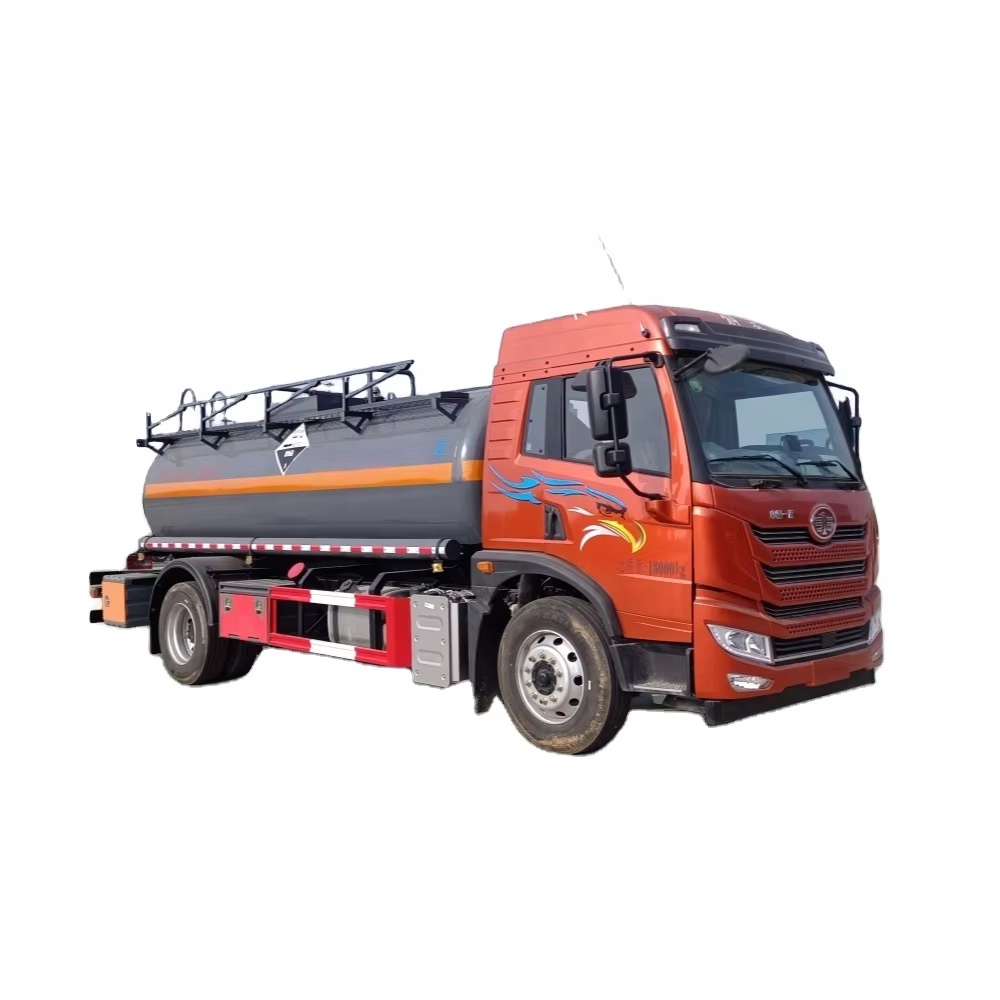
Understanding Corrosion Challenges in Corrosives Tanker Truck Operations
How Aggressive Chemical Cargoes Compromise Tank Integrity
When hydrochloric acid, sulfuric acid, or chlorine solutions come into contact with tank linings, they actually break down those protective oxide layers at the molecular level. What happens next? Bare metal gets exposed and starts degrading much faster than normal. Looking at actual data from the International Institute of Marine Surveying in 2023, carbon steel tanks used for hydrochloric acid transport had something like a 75% failure rate after just two years because of this pitting corrosion problem. These numbers make it pretty clear why checking if materials are compatible should be a top priority before moving any reactive substances around.
The Role of Sulfur Compounds and Reactive Chemicals in Accelerating Corrosion
Sulfur-laden chemicals like ammonium hydrosulfide create micro-environments that catalyze hydrogen embrittlement in steel alloys. NACE International (2023) reports aluminum tanks exposed to sulfur compounds experience a 40% reduction in service life compared to neutral-pH environments, with cracks forming at stress points in as little as 18 months.
Case Study: Failure of Carbon Steel Tanks Exposed to Hydrochloric Acid
A leading North American fleet experienced catastrophic tank failures after 600 operational cycles transporting 32% hydrochloric acid. Post-failure analysis showed wall thickness reductions from 12mm to 3mm in high-flow zones, prompting a $2.4M fleet-wide transition to fiberglass-reinforced plastic (FRP) tanks.
Rising Trends in Coating Degradation in Multi-Cargo Corrosives Tanker Trucks
Operators alternating between acids, alkalis, and solvents report a 60% increase in premature coating failures (Transport Safety Board, 2024). Epoxy-polyurethane hybrid systems show delamination after just 7–10 cargo switches due to cumulative thermal expansion stresses at 120–180°F operating temperatures.
Strategies for Early Detection and Monitoring of Coating Breakdown
Ultrasonic thickness gauging and electrochemical impedance spectroscopy now detect coating flaws with 89% accuracy before visible damage occurs. Fleets using real-time pH sensors reduced unplanned maintenance by 34% through early alkalinity shift detection, according to a 2023 JPCL study.
Material Selection for Corrosives Tanker Trucks: Balancing Performance and Cost
Key Factors in Selecting Materials for Corrosive Chemical Transport
Selecting materials for corrosives tanker trucks demands a balance between chemical resistance, structural integrity, and lifecycle costs. Industry data shows 63% of tank failures originate from material incompatibility with transported chemicals (2023 Chemical Transport Materials Report). Critical factors include:
- Chemical reactivity: Hydrochloric acid requires non-metallic linings, while sodium hydroxide tolerates aluminum alloys
- Mechanical stress: Fiberglass offers impact resistance but struggles with thermal cycling
- Cost dynamics: Stainless steel provides versatility but costs 2.4x more than carbon steel per cubic meter
Comparative Analysis: Aluminum, Galvanized Steel, and Fiberglass for Chemical Resistance
| Material | pH Range Tolerance | Chloride Resistance | Cost per Liter Capacity |
|---|---|---|---|
| Aluminum 5083 | 4–9 | Moderate | $0.18 |
| Galvanized Steel | 5–12 | Poor | $0.11 |
| Fiberglass | 1–14 | Excellent | $0.32 |
Galvanized steel remains popular for mild alkali transport but shows three times faster pitting corrosion than aluminum in sulfur-rich environments (NACE 2022).
Service Life Data: NACE Report on Aluminum vs. Carbon Steel Tanks
NACE International’s 2023 analysis found aluminum tanks withstand 12–15 years of sulfuric acid exposure versus carbon steel’s 5–8 years. However, aluminum’s $14.50/kg cost necessitates calculating break-even points—fleets exceeding 8,000 annual liters see 23% lower total cost of ownership (TCO) with aluminum over 10 years.
High-Performance Alloys: Weighing Initial Cost Against Longevity
Duplex stainless steels (e.g., 2205) and nickel alloys deliver 20+ year service lives in extreme conditions but cost $48–72/kg. A 2024 Advanced Materials Study revealed these alloys reduce downtime by 41% compared to conventional steels, justifying their use in hydrofluoric acid transport despite five times higher upfront costs.
Polymer-Based Coatings: Epoxy, Polyurethane, and Polyurea Solutions
Chemical Resistance of Epoxy Coatings to Acids and Alkalis
Epoxy coatings demonstrate robust chemical resistance in corrosive environments, particularly against sulfuric acid (H₂SO₄) and sodium hydroxide (NaOH) solutions. Their cross-linked molecular structure minimizes penetration by aggressive ions, maintaining adhesion strength even after 3,000+ hours of cyclic chemical exposure.
Thermal and Mechanical Performance of Polyurethane and Polyurea Under Cycling Conditions
Polyurea outperforms polyurethane in extreme temperature ranges (-40°C to 120°C), retaining 92% flexibility during thermal cycling tests. In mechanical stress scenarios, polyurea linings withstand eight times higher impact forces than epoxy alternatives without cracking–a critical advantage for corrosives tanker trucks traversing uneven terrain.
| Property | Epoxy | Polyurethane | Polyurea |
|---|---|---|---|
| Acid Resistance (48h) | 85% intact | 72% intact | 93% intact |
| Thermal Flexibility | Brittle | Moderate | High |
| Curing Time | 24–72 hrs | 12–24 hrs | <30 minutes |
Case Study: Extended Service Life with Polyurea Linings in Fertilizer Transport
A 5-year field study of ammonium nitrate transport showed polyurea-lined tanks required 60% fewer repairs than epoxy-coated units. The seamless application reduced pitting corrosion at weld joints by 83%, lowering annual maintenance costs by $14K per tanker (2023 Corrosion Engineering Journal).
Limitations of Polymer Coatings When Handling Organic Solvents
Methanol and acetone degrade polyurethane binders within 200 operational hours, causing blistering. While polyurea resists aliphatic solvents, aromatic hydrocarbons like toluene penetrate its matrix four times faster than chlorinated compounds, necessitating hybrid coatings for multi-chemical transport.
Advanced Ceramic and CBPC Coatings for Superior Corrosion Resistance
Advantages of Chemically Bonded Phosphate Ceramics (CBPCs) Over Traditional Coatings
Tests from NACE International in 2023 show that Chemically Bonded Phosphate Ceramics (CBPCs) offer about 63% better protection against acids compared to standard epoxy coatings used on corrosive tanker trucks. While most polymer coatings break down over time due to hydrolysis, CBPC materials actually create stable crystal formations when they come into contact with sulfur compounds or acidic substances during transport. Research published in 2024 looked at how well these coatings hold up under stress. The results indicated they can handle around 9.2 pounds per square inch of mechanical force before showing cracks something really important for tankers carrying rough industrial waste products that would damage weaker materials.
How Ceramic Coatings Prevent Pitting and Crevice Corrosion
Advanced ceramic formulations reduce pitting corrosion by 92% in chloride-rich environments through three mechanisms:
- Microcrystalline structures block ion penetration (<0.1μm pore size)
- Self-healing properties fill micro-cracks through phosphate reaction
- Electrochemical stability maintains <5μA/cm² corrosion current
This translates to 8–12 year service life in hydrochloric acid transport versus 3–5 years for painted steel tanks.
Cost vs. Durability: The Business Case for Ceramic Lining Systems
While ceramic coatings carry 40% higher upfront costs than epoxy alternatives, their 72% reduced maintenance needs create ROI within 18–24 months for active corrosives tanker fleets. NACE data shows:
| Metric | Ceramic Systems | Traditional Coatings |
|---|---|---|
| Recoating Frequency | 10 years | 3 years |
| Annualized Cost | $1.2k/ft² | $2.8k/ft² |
Real-World Application: CBPC-Coated Tanks in Sulfuric Acid Transportation
A 2022 field study of 87 corrosives tanker trucks revealed CBPC-lined tanks maintained 98.6% structural integrity after 5 years of 93% sulfuric acid transport–outperforming all polymer-coated competitors. Operators achieved 21% fuel savings through reduced tank weight versus steel alternatives, validating ceramic solutions as both chemically and economically superior for aggressive cargoes.
Future-Ready Innovations in Corrosion Protection for Tanker Trucks
Hybrid Coating Systems: Merging Polymer and Ceramic Technologies
Corrosive material transport vehicles are now commonly equipped with special hybrid coatings that mix epoxy resins with tiny ceramic particles. Research published last year in the Coatings Technology Journal found that these layered coating systems cut down on those annoying little pinhole flaws by around 83 percent when compared to older single layer coatings. The epoxy part of the mix stays flexible even when temperatures swing from really cold (-40 degrees Fahrenheit) all the way up to hot conditions (about 160°F). Meanwhile, the ceramic bits actually stop harmful chloride ions from getting through the lining when the tankers carry acidic substances. This combination helps protect both the cargo and the vehicle itself over time.
Self-Healing and Smart Coatings with Embedded Monitoring
New coating technologies are starting to incorporate tiny capsules packed with stuff that stops corrosion, such as benzotriazole. If the protective layer gets damaged mechanically say from something like a half millimeter scratch these little capsules break open and release whatever fixes things, sealing up those holes pretty quickly usually within about three days according to what we've seen so far. Some actual field testing done back in 2025 showed pretty impressive results too around a two thirds drop in how much money companies had to spend maintaining their fleet of trucks that transport nitric acid once they started applying this kind of coating tech.
IoT Integration for Real-Time Corrosion Monitoring
Wireless pH sensors and ultrasonic thickness gauges now feed data directly to fleet management systems. A 2025 industry report found that trucks using IoT monitoring detected coating failures 40% faster than manual inspections. Key innovations include:
- Millimeter-wave radar mapping tank wall erosion
- AI algorithms predicting coating lifespan with 97% accuracy
- Automated alerts triggering maintenance protocols at 90% wear thresholds
This integration reduces unplanned downtime by 22% annually in corrosive chemical transport operations.
Frequently Asked Questions
What causes corrosion in tanker trucks carrying corrosive materials?
Corrosion is often caused by aggressive chemical cargoes such as hydrochloric acid, sulfuric acid, or chlorine solutions, which break down the protective oxide layers on the tank linings.
How can corrosion in tanker trucks be detected early?
Ultrasonic thickness gauging and electrochemical impedance spectroscopy can detect coating flaws with high accuracy before visible damage occurs. Real-time pH sensors also help in early detection of alkalinity shifts.
What are the advantages of using ceramic coatings for tanker trucks?
Ceramic coatings offer superior protection against acids, longer service life, and reduced maintenance compared to traditional polymer coatings.
How do hybrid coating systems improve corrosion protection?
Hybrid coatings merge epoxy resins with ceramic particles, which reduce pinhole flaws and enhance protection against chloride ions, providing flexibility and durability in varying temperature conditions.
Table of Contents
-
Understanding Corrosion Challenges in Corrosives Tanker Truck Operations
- How Aggressive Chemical Cargoes Compromise Tank Integrity
- The Role of Sulfur Compounds and Reactive Chemicals in Accelerating Corrosion
- Case Study: Failure of Carbon Steel Tanks Exposed to Hydrochloric Acid
- Rising Trends in Coating Degradation in Multi-Cargo Corrosives Tanker Trucks
- Strategies for Early Detection and Monitoring of Coating Breakdown
- Material Selection for Corrosives Tanker Trucks: Balancing Performance and Cost
- Polymer-Based Coatings: Epoxy, Polyurethane, and Polyurea Solutions
- Advanced Ceramic and CBPC Coatings for Superior Corrosion Resistance
- Future-Ready Innovations in Corrosion Protection for Tanker Trucks
- Frequently Asked Questions