
 EN
EN
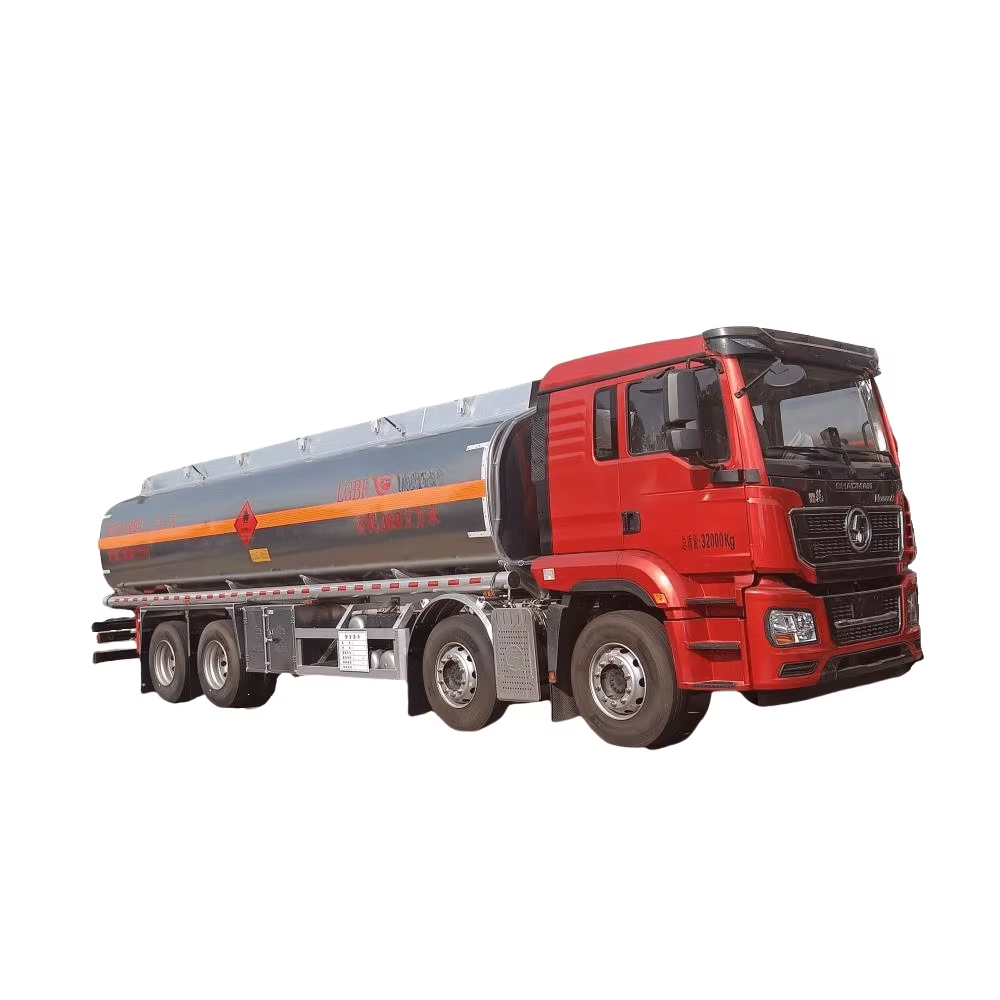
Energy Efficiency and Operational Cost Savings in Insulated Tanker Trucks
How insulation reduces thermal load and cuts fuel consumption for refrigerated and heated cargo transport
Tanker trucks with good insulation cut down on how much heat moves between what's inside and the outside world. When moving chilled goods, those trucks use better polyurethane insulation that keeps heat from getting in, which means the refrigeration system doesn't have to work so hard all the time. And when transporting stuff that needs warmth, like liquid asphalt, the same insulation helps keep the heat inside where it belongs. This kind of passive temperature control actually saves fuel because the truck maintains the right temperature without needing extra power most of the time. Real world fleet numbers tell us these insulated tanks can cut thermal loads anywhere from 30 to 45 percent compared to older models without proper insulation. That translates to real money saved at the pump for companies running large fleets.
Quantifying ROI: Fleet data showing 12–22% reduction in auxiliary heating/cooling energy use with high-performance polyurethane-insulated tanker trucks
Chemical logistics fleets report a 12–22% annual reduction in auxiliary heating and cooling energy use after upgrading to polyurethane-insulated tanker trucks. This efficiency stems from the material’s low thermal conductivity (0.02–0.03 W/m·K), which outperforms traditional fiberglass by 40%. The return on investment manifests in two key areas:
- Fuel savings: Reduced refrigeration unit runtime cuts diesel consumption by ~180 gallons annually per truck
- Maintenance reduction: Fewer compressor cycles extend equipment lifespan by 2–3 years
With average diesel costs at $4.25/gallon (U.S. Energy Information Administration, 2023), fleets achieve payback on insulation upgrades in under 18 months.
Safety Enhancement Through Passive Thermal Control in Insulated Tanker Trucks
Preventing Condensation-Induced Corrosion (CUI) in Chemical and Food-Grade Insulated Tanker Trucks
Changes in temperature while transporting goods can lead to condensation problems that cause corrosion inside tanks, which often results in early tank failures. As outside temps go up and down, water tends to build up on the inside walls of tanks without proper insulation. This moisture speeds up rust formation on carbon steel parts and weakens stainless steel welds over time. The issue becomes really serious when dealing with food products or chemicals because any damage to the tank materials can contaminate what's being transported and create legal issues for companies. Using high quality polyurethane insulation helps stop these temperature bridges from forming, keeping surface temps stable and cutting down on internal humidity levels. According to industry reports, tanks with good insulation see about 60 to 80 percent less damage from moisture. This means fewer dangerous leaks happening in chemical transport trucks and no places left for bacteria to grow in food transportation containers.
Mitigating Vapor Pressure Surges and Thermal Instability in Flammable Liquid Transport
Flammable liquids such as ethanol and gasoline exhibit sharp vapor pressure volatility when exposed to ambient temperature swings—a 15°C shift can increase vapor pressure by up to 35% in volatile organic compounds. Insulated tanker trucks provide essential passive thermal stability through three mechanisms:
- Phase-change moderation: Polyiso foam insulation (R-8+ per inch) limits temperature flux to ±2°C/hour during transit
- Pressure equalization: Thermal inertia prevents rapid expansion/contraction cycles that stress tank walls and relief valves
- Emergency mitigation: Maintains safer internal conditions during traffic delays or extended loading/unloading
This stability reduces pressure relief valve activations by 40%, lowering the risk of combustion chain reactions. As noted in the National Fire Protection Association’s 2023 Hazardous Materials Report, thermal management remains the primary preventative measure for fuel transport incidents.
Regulatory Compliance Driven by Insulated Tanker Truck Design
Meeting FDA 21 CFR, ADR, and DOT temperature validation and traceability requirements through certified insulation systems
Moving items that need specific temperatures like medicines, perishable foods, and dangerous chemicals demands following international rules carefully. The FDA has strict guidelines for keeping food safe during transport through what's called 21 CFR Part 1 Subpart O. Meanwhile, both ADR in Europe and the DOT here in the US have similar but separate rules when dealing with risky substances. Good quality insulation made from certified polyurethane keeps things at just the right temperature range, typically within plus or minus 2 degrees Celsius. These systems also track temperature changes digitally, recording readings every fifteen minutes so companies can prove compliance during inspections. Businesses using these certified solutions face far fewer problems with regulators than those relying on cheaper options. Statistics show around an 89% drop in violations when proper systems are in place. And remember, if a company doesn't follow the tracking rules set out in DOT regulation 49 CFR, they could end up paying over fifty thousand dollars in fines for each mistake caught.
Material Selection Best Practices for Insulated Tanker Trucks
What materials we choose has a huge impact on how long insulated tanker trucks last, their safety record, and overall costs throughout their lifetime. When it comes to inner tanks, they need to stand up against corrosion from whatever's being carried plus all the moisture in the air. Most manufacturers stick with stainless steel options these days. Grade 304 works well for food products, while grade 316L handles chemicals better thanks to extra molybdenum content that fights off corrosion. Thermal barriers typically use polyurethane foam because it gives good insulation value without making the truck too heavy. For outer shells, companies usually go with either aluminum or carbon steel that's been treated to withstand harsh weather conditions. And remember to check if materials will react badly with what's being transported. ASTM G31 tests help identify potential problems, particularly important when moving things like petroleum products or food items where unexpected reactions could lead to serious issues down the road.
| Selection Factor | Critical Considerations | Common Materials |
|---|---|---|
| Corrosion Resistance | Exposure to cargo acids/alkalis, humidity | 316L SS, Hastelloy®, Monel® |
| Thermal Performance | Required R-value, temperature stability (-40°F to 300°F) | Polyurethane foam, vacuum panels |
| Structural Integrity | Fatigue resistance, impact durability | Carbon steel, aluminum alloys |
| Regulatory Compliance | FDA/ADR standards for material-contact surfaces | NSF-certified stainless steels |
Avoid composite plastics for pressurized flammable liquid applications due to static electricity risks. Prioritize welded joints over mechanical fasteners to eliminate crevice corrosion points. Proper material selection reduces total lifecycle costs by 30% through minimized maintenance and extended service intervals.
Frequently Asked Questions
Why is insulation important in tanker trucks?
Insulation helps maintain the required temperature for goods being transported, reduces fuel consumption, and safeguards against condensation-induced corrosion.
What materials are best for insulating tanker trucks?
Polyurethane foam is commonly used due to its effective thermal performance and low weight, often accompanied by stainless steel for corrosion resistance.
How does insulation in tanker trucks contribute to regulatory compliance?
Certified insulation systems help maintain strict temperature control, supporting compliance with FDA 21 CFR, ADR, and DOT requirements.
Table of Contents
- Energy Efficiency and Operational Cost Savings in Insulated Tanker Trucks
- Safety Enhancement Through Passive Thermal Control in Insulated Tanker Trucks
- Regulatory Compliance Driven by Insulated Tanker Truck Design
- Material Selection Best Practices for Insulated Tanker Trucks
- Frequently Asked Questions