
 EN
EN
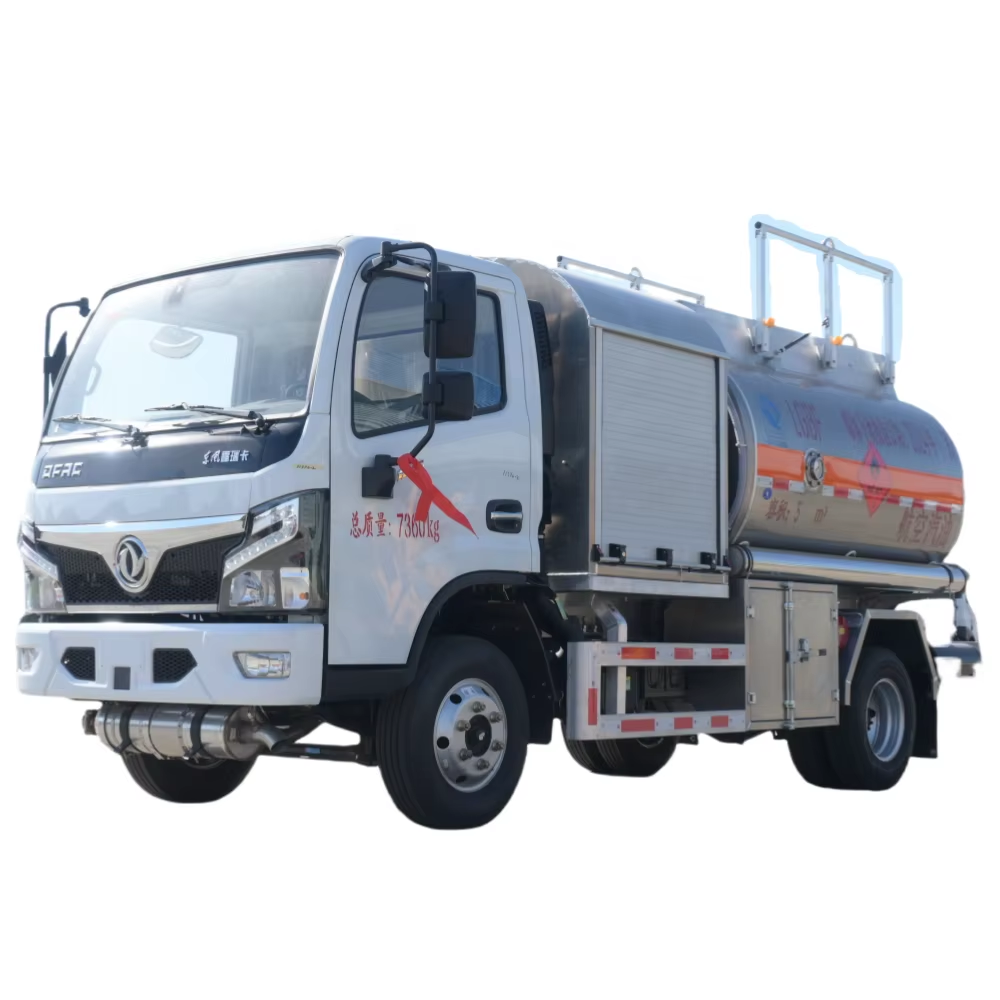
Core Design Principles of Modern Aircraft Refueling Trucks
Modular Chassis Integration and Aerospace-Grade Material Selection
Aircraft refueling trucks today are built with modular chassis systems that can be quickly adapted to work with different planes, whether they're narrow body models or those big wide body jets we see at major airports. The frames themselves are made from special aluminum alloys that meet the AMS 4120 standard, which basically means they're strong yet light enough for what needs to happen during refueling operations. Choosing these materials actually cuts down on how much weight the truck carries around, plus they stand up better against things like jet fuel and those harsh deicing chemicals planes get sprayed with in winter months. According to some tests done by the FAA, this kind of construction makes these trucks last about 30 percent longer than older models made primarily from steel, which is quite a difference when considering maintenance costs over time.
Pressure-Regulated Fuel Tanks and Vibration-Dampened Mounting Systems
Fuel tanks with pressure regulation keep the inside pressure just right when transferring fuel, which stops vapor lock from happening thanks to constant adjustments made on the fly. These tanks also have built-in vibration dampers that work on multiple axes to soak up shocks from rough roads and pavement cracks. This cuts down how much vibration gets passed along to delicate equipment inside the vehicle, dropping it by around 90 decibels according to industry standards. When combined, all these features help prevent fuel from sloshing around too much, reduce chances of spills, and put less strain on mechanical parts as vehicles move across ramps and loading docks.
Aircraft Refueling Truck Types and Operational Applications
Refueling operations demand specialized equipment tailored to fuel type, aircraft class, and operational environment–each variant engineered to meet distinct performance, safety, and regulatory requirements.
Jet Fuel (JET-A1) vs. Avgas (100LL) Trucks: Filtration, Pumping, and Compatibility Requirements
Trucks that carry jet fuel are specifically designed for kerosene based JET-A1 fuel and come equipped with filters that stop particles at around 3 to 5 microns. These filters help keep turbine engines running smoothly by preventing dirt and debris from getting in. The trucks also have big centrifugal pumps capable of moving anywhere from 600 to 1,200 gallons per minute. This pumping power meets the latest NFPA 407-2023 standards which helps airports turn planes around faster during busy times. When we look at Avgas trucks instead, they're made for older piston engine planes that run on leaded 100LL fuel. These trucks use different kinds of pumps altogether - precision diaphragm pumps with built in vapor recovery systems. Their filters work at a coarser level, around 10 to 15 microns, because carbureted engines can handle larger particles. What makes these trucks unique is their special seals that don't break down when exposed to tetraethyl lead, something that's never an issue with jet fuel systems since they don't contain lead additives.
Military and Hydrant Dispenser Variants: MIL-STD-3004 Compliance and Infrastructure Integration
Military refueling equipment follows MIL-STD-3004 standards because it needs to handle pretty harsh environments. These units can work with different types of fuel such as aviation kerosene, regular diesel, and those special tactical fuels used by the military. They come with some serious hardware too - things like armor against bullets and extra storage space that lets them operate longer between refills. At big airports around the world, hydrant dispensers connect straight into the underground fuel lines. Most have those special nozzles that control how fast fuel flows out, plus two backup valves just in case something goes wrong, along with systems that automatically bond to prevent sparks during transfers. All this tech works together smoothly with the existing hydrant infrastructure found at most commercial airports. The double wall design helps contain any leaks, while constant monitoring makes sure everything stays within ICAO safety rules, especially important when lots of planes are parked close together on busy ramps.
FAQ
What materials are used in the construction of modern aircraft refueling trucks?
Modern aircraft refueling trucks use special aluminum alloys that meet the AMS 4120 standard, making them strong yet lightweight for refueling operations. These materials are also resistant to jet fuel and deicing chemicals.
How do pressure-regulated fuel tanks function?
Pressure-regulated fuel tanks maintain constant internal pressure during fuel transfer to prevent vapor lock, while vibration dampers help absorb shocks from rough roads, reducing vibration-related damage.
How do jet fuel trucks differ from Avgas trucks?
Jet fuel trucks are equipped with filters and centrifugal pumps designed for kerosene-based JET-A1 fuel, while Avgas trucks use precision diaphragm pumps and filters suitable for leaded 100LL fuel.
What compliance standards do military refueling trucks follow?
Military refueling equipment adheres to MIL-STD-3004 standards to operate in harsh environments, offering features like bulletproof armor and extended operational capabilities.
How does hydrant dispenser technology work?
Hydrant dispensers at airports connect to underground fuel lines, with special nozzles, backup valves, and systems preventing sparks, ensuring seamless integration with existing infrastructure.