
 EN
EN
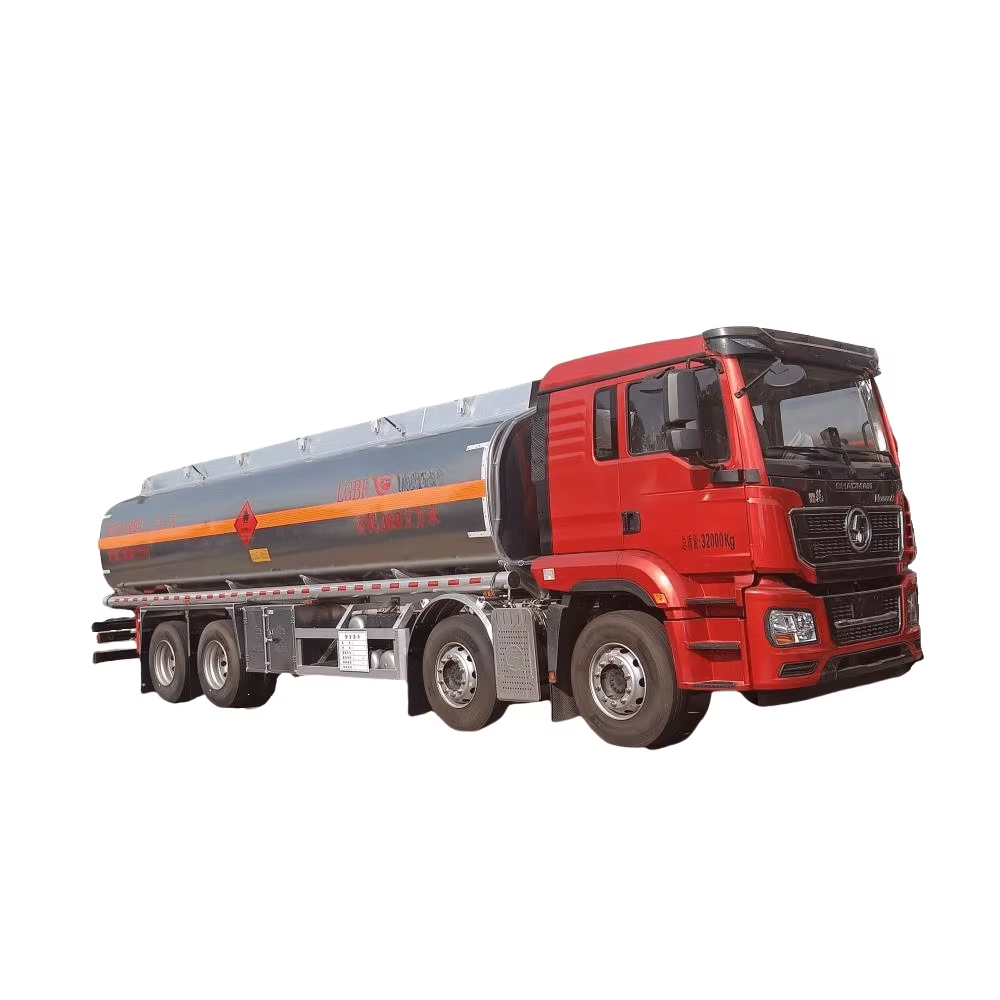
Regulatory Framework for Chemical Tanker Truck Operations
DOT and PHMSA Requirements for Hazardous Liquid Transport
The U.S. Department of Transportation (DOT) and Pipeline and Hazardous Materials Safety Administration (PHMSA) enforce strict regulations under 49 CFR Parts 100–185 for hazardous liquid transport. Key mandates include:
- Tank certification: All chemical tanker trucks must undergo rigorous pressure testing every five years
- Driver training: Operators require Hazardous Materials Endorsement (HME) certification with biennial refresher training
- Documentation: Shippers must provide safety data sheets (SDS) detailing cargo reactivity, compatibility, and emergency response guidance
- Operational protocols: Speed restrictions and route planning to avoid densely populated areas and environmentally sensitive zones
PHMSA reported 1,240 enforcement actions totaling $740,000 in penalties during 2023—underscoring the agency’s emphasis on accountability and compliance.
UN Packaging Codes and DOT-Specification Tanks: Matching Cargo to Chemical Tanker Truck Integrity
Chemical compatibility dictates tank selection through UN packaging groups (I–III) and DOT specifications. Mismatched pairings are a leading cause of containment failure, as demonstrated by the 2022 Ohio chlorine leak—where UN 1017 cargo was loaded into a non-compliant DOT 406 tank, resulting in catastrophic valve failure and toxic gas release.
| Cargo Hazard | UN Code | Required Tank Type | Critical Feature |
|---|---|---|---|
| Corrosives | UN3264 | DOT 407 (stainless steel) | Acid-resistant lining |
| Flammables | UN1203 | DOT 406 (aluminum) | Vapor recovery system |
| Oxidizers | UN3139 | DOT 412 (nickel alloy) | Thermal stability |
Proper alignment between UN classification and DOT-specification tanks prevents an estimated 89% of containment failures, according to industry-wide transport safety audits.
Chemical Tanker Truck Design: Engineering for Corrosion Resistance and Emergency Control
Tank Material Selection: Stainless Steel, Aluminum, and Lined Systems for Hazardous Liquids
Choosing the right materials matters a lot when it comes to safely moving chemicals around. Stainless steel stands out because it resists corrosion really well against harsh acids like sulfuric acid, though it does weigh about 15 to 20 percent more than aluminum options. Aluminum alloys are great for lighter duty stuff like transporting jet fuel since they're so light, but watch out for places where there's lots of chloride content because these materials break down fast. When dealing with things like acetone in large volumes where cost counts, many companies turn to epoxy lined carbon steel tanks. These provide good protection without breaking the bank on expensive materials. And remember, whatever material gets picked needs to match up properly with the specific chemical being transported according to its UN packaging classification. Looking at incidents reported last year showed that nearly half (about 43%) of containment problems happened simply because someone used the wrong material for the job. So engineers need to check compatibility charts instead of going with what feels familiar or easiest.
Critical Safety Systems: Pressure Relief, Vapor Recovery, and Emergency Shut-Off in Chemical Tanker Trucks
Safety systems built right into equipment act as backup protections when things go wrong during transport and handling. These pressure relief valves work on their own to let out extra vapor when temperatures rise, which stops tanks from bursting apart completely. The vapor recovery units are pretty impressive too they grab those harmful VOCs such as benzene while stuff gets loaded onto trucks or ships, cutting down air pollution by nearly all of it according to tests. And don't forget about those electronic emergency shut off valves either. They cut off any leaks almost instantly after detecting problems, something we've seen happen time and again in lab tests where toluene was spilled intentionally to check how fast these systems respond.
| System | Function | Risk Mitigated |
|---|---|---|
| Pressure Relief | Vents overpressure | Tank rupture |
| Vapor Recovery | Captures emissions during loading | VOC exposure & air pollution |
| Emergency Shut-Off | Isolates leaks instantly | Spills and environmental contamination |
These systems are not optional add-ons—they are codified requirements for DOT-specification tanks handling regulated hazardous materials.
Operational Best Practices to Prevent Chemical Tanker Truck Incidents
Pre-Trip Inspections, Loading/Unloading SOPs, and Static Electricity Mitigation
Pre-trip inspections are the frontline defense against chemical tanker truck incidents. Drivers must verify tank integrity, valve operation, gasket condition, and functionality of emergency equipment—documenting any defects before departure. During loading and unloading, Standard Operating Procedures (SOPs) require:
- Confirming chemical compatibility using UN packaging codes and SDS cross-references
- Applying grounded bonding wires to eliminate static discharge risks
- Using closed-transfer systems integrated with vapor recovery
- Maintaining real-time communication between driver, facility operator, and safety personnel
The risk from static electricity is still pretty serious when it comes to fire hazards. The Occupational Safety and Health Administration requires proper bonding and grounding connections between storage tanks and transfer equipment for good reason. These safety measures have been shown to stop around 89 percent of fires caused by static buildup. To put things into perspective, something as simple as spilling just one gallon of flammable solvent can actually create enough vapor concentration to match what would happen if 14 pounds of TNT exploded nearby. Looking at recent accident reports paints an even clearer picture. About two thirds of all chemical spills during transportation seem to come down to mistakes made while either loading or unloading materials. That's why following established procedures so closely matters so much in these operations.
In response to the 2022 Ohio chlorine leak, PHMSA now requires real-time sensor monitoring during unloading operations. Operators must also:
- Conduct emergency shutdown drills quarterly
- Validate secondary containment capacity exceeds tank volume by at least 110%
- Suspend transfers during lightning or extreme weather conditions
These layered safeguards reflect a safety ecosystem—where engineered reliability, regulatory discipline, and human vigilance converge to protect people, infrastructure, and ecosystems.
Lessons from Failure: Secondary Containment and Response Insights from the 2022 Ohio Chlorine Leak
The 2022 Ohio chlorine leak revealed systemic vulnerabilities—not just in equipment, but in coordination, documentation, and preparedness. A failed valve released chlorine gas when secondary containment proved insufficient, while delayed emergency response stemmed from unclear chemical identification and fragmented site communication.
Three evidence-based lessons emerged:
- Secondary containment must exceed regulatory minimums, incorporating reinforced earthen berms and chemically resistant, impermeable liners capable of holding ≥110% of tank volume
- Real-time chemical documentation must be instantly accessible—via waterproof, scannable QR codes affixed to tank exteriors—linking directly to SDS, emergency response guides, and UN classification details
- Mandatory joint drills between transport operators and local emergency responders reduce critical response time by 37%, per post-incident analysis
About two thirds of these kinds of accidents actually happen when things go wrong during transfers between containers or tanks, making this part of the process the real danger zone. After what happened in Ohio last year, many plants started installing those automatic leak detectors, and guess what? They cut down on environmental messes by around 80 percent according to recent reports. What does all this mean? Well, regular checks on equipment integrity, constant watchfulness through monitoring systems, and having different agencies ready to work together aren't just ideas sitting on paper somewhere. These things matter in real world operations because people have learned from painful experiences how crucial they really are.
FAQ
What are the key DOT and PHMSA requirements for operating chemical tanker trucks?
The key DOT and PHMSA requirements include tank certification every five years, driver training with Hazardous Materials Endorsement, mandatory safety data sheets, and operational protocols such as speed restrictions and route planning.
How important is matching cargo with the correct tank type?
It's crucial to match cargo with the correct tank type as mismatched pairings can lead to containment failures, which was a significant factor in the 2022 Ohio chlorine leak.
Why is material selection critical in chemical tanker truck design?
Material selection is critical because using the wrong material can lead to containment problems, as evidenced by 43% of incident reports last year.
What are the mandatory safety systems in chemical tanker trucks?
Pressure relief valves, vapor recovery systems, and emergency shut-off valves are mandatory safety systems in DOT-specification tanks handling hazardous materials.
What can be learned from the 2022 Ohio chlorine leak incident?
Critical lessons include exceeding secondary containment minimums, ensuring real-time chemical documentation, and conducting joint drills to improve emergency response times.