
 EN
EN
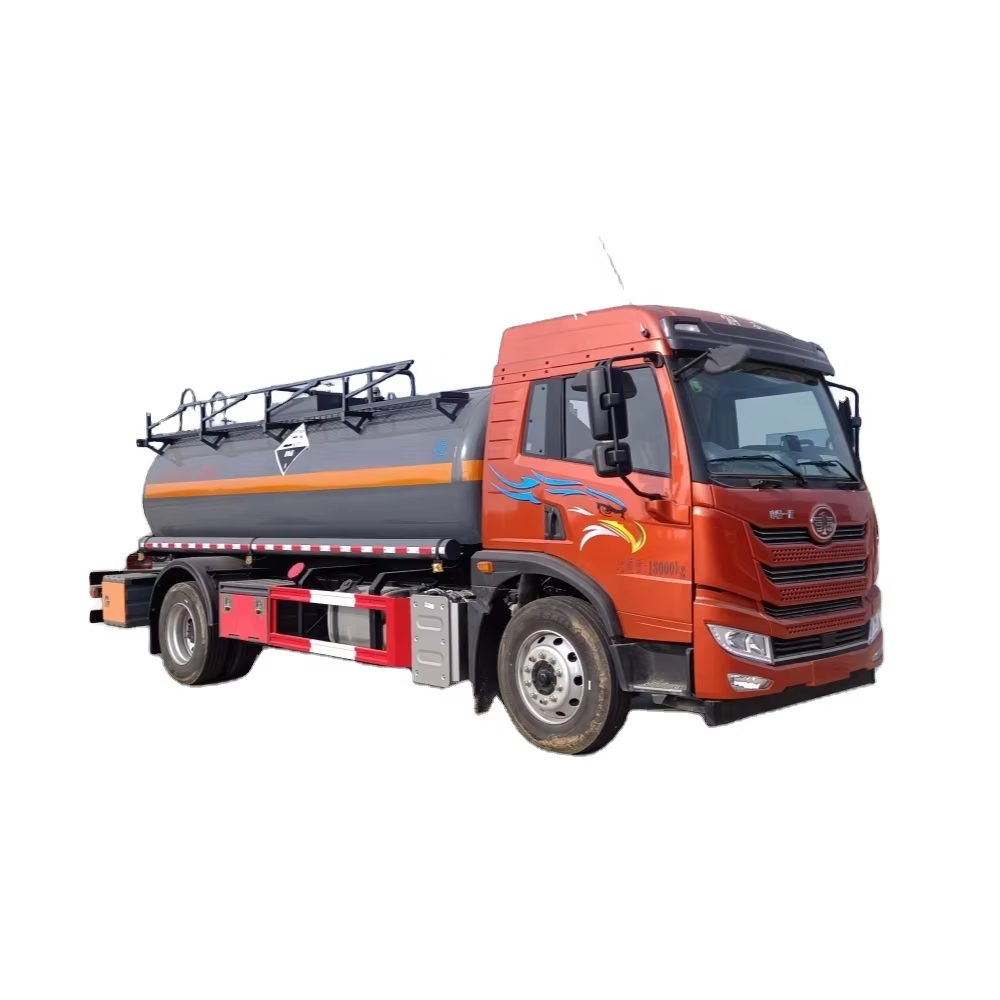
Why 316 Stainless Steel Is the Optimal Choice for 316 Tanker Trucks
Molybdenum-Enhanced Defense Against Chlorides: Critical for Road Salt and Coastal Operations
What sets 316 stainless steel apart from other options is mainly because of that extra bit of molybdenum content, somewhere around 2 to 3 percent. This addition really helps fight off chloride damage, which matters a lot. Tanker operators working near roads where they spread salt, ships sailing through seawater areas, even vehicles driving in places with lots of salty mist all benefit greatly from this property. The molybdenum actually reinforces what's called the passive oxide layer on the metal surface, making it much better at resisting those annoying pits and cracks that form over time when exposed to chlorides. According to recent studies by Ponemon in 2023, trucking companies based along coasts or in areas where roads get treated with ice melters saw about 23 percent less need for parts replacement when switching from regular old 304 stainless to grade 316. Across industries dealing with chemicals, harbors handling cargo, and regions battling harsh winters, this kind of protection against rust basically means longer lasting equipment and way less money spent fixing things down the road.
Superior Passivation Stability and Resistance to Stress Corrosion Cracking in 316L
The low carbon 316L version was designed to fight against stress corrosion cracking (SCC), which tends to be a big problem for tankers that get shaken up during transport. What makes this material special is how its protective layer stays strong even when subjected to all those constant vibrations and temperature swings that happen during shipping. Regular alloys just can't hold up like this one does. 316L keeps its protective coating going even after contact with acidic substances or environments full of chlorides. Tankers made with this material typically last between five to seven years without needing new liners. That's way better than the six to twelve month lifespan seen with other materials used for transporting harsh chemicals or saltwater solutions. The reason? This steel stops tiny cracks from starting and spreading out, so the whole structure stays solid and meets all the necessary regulations for containing dangerous materials over many thousands of trips on the road.
316 vs. 304 Stainless Steel: Real-World Performance Differences in 316 Tanker Trucks
Pitting Resistance Metrics: CPT and Electrochemical Data in Aggressive Chemical Environments
The addition of about 2 to 3 percent molybdenum in 316 stainless steel raises its Critical Pitting Temperature (CPT) around 10 to 15 degrees Celsius compared to standard 304 stainless steel. This makes all the difference when dealing with environments rich in chlorides, think places like petrochemical terminals, offshore drilling operations, or anywhere industrial cleaning happens regularly. Lab tests show that 316 can resist pitting corrosion roughly 91 percent better than 304 when exposed to highly concentrated brine solutions (at least 50,000 parts per million chloride ions) and even in diluted sulfuric acid situations. Looking at actual field experience, most 304 stainless steel tankers start developing those pesky pits on their surfaces somewhere between six and twelve months after deployment in such harsh conditions. Meanwhile, vessels made from 316 stainless steel keep their structural integrity intact for approximately five to seven years without any signs of leakage issues. These real world results clearly demonstrate why 316 remains the material of choice for transporting corrosive substances safely.
- Petrochemical byproducts
- High-mineral drilling fluids
- Industrial cleaning agents
Field Evidence: Documented Failures of 304 in Hazardous Liquid Transport Applications
The numbers tell a pretty clear story about why 304 stainless steel just doesn't cut it in harsh environments. Fleet managers along the coast have noticed their 304 tankers need almost half again as many repairs each year compared to vessels using 316 grade material. Take a look at what happened over ten years on the Gulf Coast coastline too. Trailers made with 304 lost nearly a quarter of their structural integrity when exposed to saltwater, whereas 316 maintained most of its original strength. There was even a real problem last year where several 304 tankers carrying concentrated caustic soda started developing dangerous cracks right through the walls after just eighteen months in service. That kind of failure creates serious environmental hazards and safety concerns for crews. Industry reports from Ponemon back this up showing that companies near ports saw their equipment replacement costs drop by around 23% once they switched to 316 stainless. The main issues with 304 boil down to three things really fast deterioration near the ocean, persistent problems at weld joints when handling chlorides, and overall maintenance needs that are almost double what ships with 316 stainless require.
Chemical Compatibility and Operational Reliability of 316 Tanker Trucks
Validated Resistance to Acids, Solvents, and Caustics & Supporting Safe, Compliant Transport
316 stainless steel works exceptionally well with all sorts of harsh chemicals including things like sulfuric acid, hydrochloric acid, various organic solvents, and strong alkaline solutions. That's why most professionals consider it the go-to choice when transporting dangerous liquids. The material has this special property where the molybdenum content creates a protective layer that stands up to chemical attacks. Even better, if there's some minor damage from daily wear and tear, this layer can actually repair itself over time. This means tanks made from 316 stainless keep resisting corrosion even after years of tough service conditions. The result? Fewer leaks, less unexpected downtime for repairs, and staying in line with those strict DOT regulations for handling hazardous materials. Tankers built with 316 stainless handle everything from salty drilling muds used in oil fields to powerful industrial cleaning agents and intermediate petrochemical products without breaking down. Most fleet operators report getting around five to seven years of trouble-free service before needing replacement, which beats out both standard 304 stainless and regular carbon steel options in terms of lasting power and meeting safety standards.
Extended Service Life and Reduced TCO: The Long-Term Value of 316 Tanker Trucks
Investing in a 316 tanker truck delivers measurable long-term value by reducing operational volatility and extending asset utility. Fleets handling corrosive liquids recoup the material premium within 4–7 years through quantifiable gains in uptime and efficiency:
- 60% fewer unplanned downtime events
- 30% longer intervals between DOT recertifications
- 22% lower cost-per-mile over a 15-year service horizon (industry analysis)
What makes 316L alloy so valuable is its ability to maintain shape and resist corrosion over time. After about ten years, these materials typically retain around 90% of their original value, which is almost twice what we see with regular carbon steel options. The lasting nature of this material really cuts down on overall costs because there's no need for early replacement or spending hours on inspections and fixes. A recent look at how fleets perform showed something interesting too. Vehicles using this alloy saved approximately $740,000 each compared to standard models when considering factors like lifespan, meeting regulations, and lower maintenance needs. Combine all this with a solid track record in actual field conditions and proper alignment with current regulations, and it becomes clear why many experts recommend 316 stainless steel as the go-to option for transporting corrosive liquids across different industries.
FAQ Section
How does molybdenum enhance the durability of 316 stainless steel?
Molybdenum in 316 stainless steel reinforces the passive oxide layer, improving resistance to corrosion caused by chlorides found in environments like road salts and seawater.
What is the typical service lifespan of tankers made with 316L stainless steel?
Tankers made of 316L stainless steel typically last between five to seven years without needing replacements, outperforming other materials in harsh chemical environments.
What performance improvements does 316 offer over 304 stainless steel?
316 stainless steel has better resistance to pitting, maintains structural integrity longer in corrosive environments, and decreases maintenance needs compared to 304 stainless steel.
Why is 316 considered better for transporting chemicals?
316 stainless steel is resistant to a wide range of chemicals, including acids, solvents, and caustics, providing safe and compliant transport solutions for hazardous liquids.
Table of Contents
- Why 316 Stainless Steel Is the Optimal Choice for 316 Tanker Trucks
- 316 vs. 304 Stainless Steel: Real-World Performance Differences in 316 Tanker Trucks
- Chemical Compatibility and Operational Reliability of 316 Tanker Trucks
- Extended Service Life and Reduced TCO: The Long-Term Value of 316 Tanker Trucks
- FAQ Section