
 EN
EN
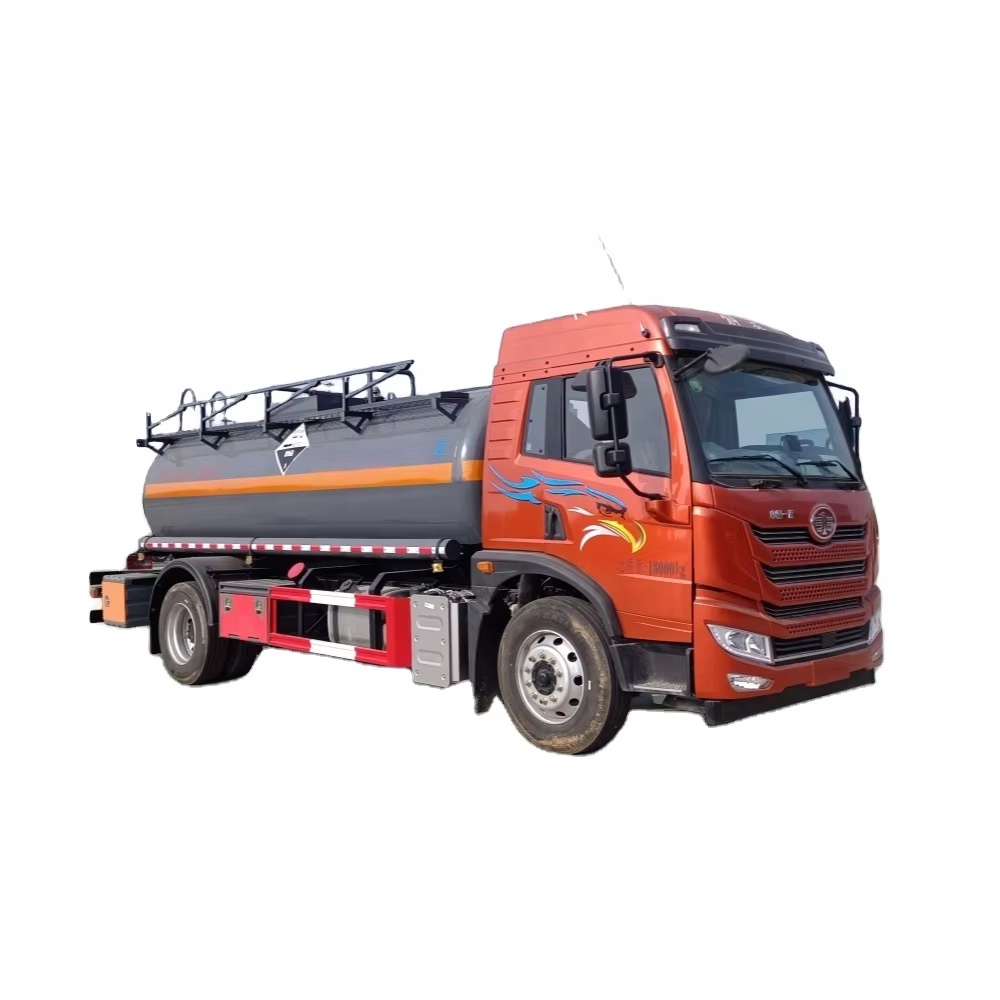
Food and Beverage Transport: Ensuring Safety, Freshness, and Compliance
Milk, Dairy, and Liquid Ingredients: Maintaining Precise Temperature Profiles
Tanker trucks with vacuum insulation keep dairy products and other liquids right around the target temperature, usually within just one degree either way. This matters a lot because bacteria grows fast in milk when temperatures drift too far from safe ranges. Considering that nearly 48 million people in America get sick from bad food each year according to CDC data from 2023, keeping those temperatures spot on really does help protect public health. The tanks have several layers of insulation packed with polyurethane foam inside to stop heat from getting through. Temperature sensors automatically record readings so operators know if things stay in the right range between 2 and 4 degrees Celsius where pasteurized milk needs to be kept safely. Some newer models even include special materials called phase change materials built into the tank walls themselves. These materials soak up extra heat whenever doors open or when outside temperatures fluctuate unexpectedly.
Sanitary Design Standards and FDA/USDA Compliance for Food-Grade Insulated Tanker Trucks
Stainless steel interiors—using AISI 304 or 316L grades—feature polished welds (Ra ≤ 0.8 μm) and radius corners to eliminate bacterial harborage points. These design choices align with FSMA’s Sanitary Transportation Rule, which requires:
- Dedicated tanks for allergenic ingredients (e.g., dairy, nuts)
- Documented cleaning validation every 72 hours
- Air-purge systems to prevent cross-contamination
Annual third-party audits verify compliance with FDA 21 CFR Part 1 and USDA AMS standards. Carriers failing to meet these requirements face penalties up to $200,000 per violation.
Industrial Gases and Cryogenic Logistics with MC-338 Insulated Tanker Trucks
Liquid Nitrogen, Oxygen, and Argon Distribution at Ultra-Low Temperatures
Tanker trucks built to the MC-338 spec carry those super cold liquids like nitrogen, oxygen, and argon at temps colder than minus 150 degrees Celsius. These tanks are constructed with two walls separated by a vacuum space, wrapped in either strong aluminum or steel shells to keep outside heat from getting in. Safety valves built right into the system handle any pressure that builds up inside during transport. Most models hold between 4,500 and just over 5,500 gallons, making them ideal for delivering large quantities to hospitals needing medical gases, factories working with metals, and semiconductor plants where purity matters most. Good insulation keeps these materials in their liquid form throughout transport, cutting down on vapor losses so when they reach their destination, everything stays exactly as needed for whatever industrial process requires it next.
Liquid Hydrogen Transport: Technical Barriers and Insulated Tanker Truck Adaptations
Transporting liquid hydrogen requires keeping temperatures at an incredibly low -253 degrees Celsius while also implementing strict safety measures because this stuff is highly flammable and can cause metal parts to become brittle over time. The standard MC-338 tanks used for this purpose have been modified quite a bit. They feature extra thick insulation layers, special materials inside that resist hydrogen damage, and improved systems for releasing pressure when needed. Special seals that won't leak and specific types of metal help fight against hydrogen embrittlement, which basically means the metal gets weaker after being exposed to hydrogen for long periods. These changes cut down on how much hydrogen evaporates during transport by about 40% compared to older methods. This makes it possible to safely move hydrogen around for things like space travel and renewable energy projects. Still, companies need to follow very strict procedures since there are certain risks involved in handling hydrogen that don't apply to other fuels.
Pharmaceutical Cold Chain Integrity Using Insulated Tanker Trucks
Vaccines, Plasma, and Biologics: Meeting 2–8°C and –20°C Transport Requirements
Keeping vaccines, plasma products, and various biologics at stable temperatures is absolutely critical. Even small temperature fluctuations outside the standard 2 to 8 degree Celsius range or below minus 20 degrees can seriously damage these sensitive materials and render them ineffective. Special insulated transport trucks handle this challenge with vacuum sealed walls, sophisticated cooling systems, and temperature sensors that work alongside GPS tracking so every shipment stays fully traceable according to GDP regulations. When dealing with extremely cold biologics that need storage at around minus 70 degrees Celsius, special transport solutions come into play. These vehicles typically feature main cooling areas supplemented by compartments filled with dry ice or liquid nitrogen. The trucks are built with multiple layers of insulation and maintain very tight temperature control within half a degree Celsius variance. This careful attention to temperature management protects the products during extended transportation periods, which ultimately means safer treatments for patients and helps companies stay compliant with all necessary regulations.
Engineering Excellence: Insulation Materials and Multi-Compartment Design Innovations
Today's insulated tanker trucks are built with cutting edge materials and smart design features that boost how well they maintain temperatures and handle different kinds of cargo. Vacuum insulation panels, or VIPs for short, slash heat transfer compared to old school polyurethane foam by around 90%. This means liquid hydrogen can stay stable during transport for over 12 days without losing quality through venting. Some models also incorporate aerogels which have amazing insulation properties, giving them R-values above R-20 per inch. These trucks often feature multiple compartments separated by internal walls that control both temperature and pressure independently. This setup allows transporting things that would normally clash, like vaccines needing to stay around 2 degrees Celsius alongside liquid nitrogen stored at minus 196 degrees. Special vents and lining materials keep everything separate so nothing gets contaminated. All these improvements together cut down on energy usage by roughly 40%, keep temperatures within a tight range of plus or minus half a degree, and let operators carry a wider variety of goods safely. The result is better safety standards, easier compliance with regulations, and greener operations throughout the food supply chain, industrial gas distribution, and medicine transportation industries.
FAQs about Food and Beverage Transport
Why is maintaining precise temperature important for transporting dairy products?
Precise temperature control is crucial because deviations can lead to bacterial growth, compromising food safety. As per CDC data, it helps protect public health by preventing foodborne illnesses.
What are the sanitary standards for food-grade insulated tanker trucks?
These trucks must comply with FDA and USDA standards, requiring features like polished welds and radius corners to eliminate bacterial harborage points, along with documented cleaning routines and dedicated tanks to prevent cross-contamination.
What measures are employed for cryogenic logistics involving industrial gases?
MC-338 insulated tanker trucks are designed with vacuum-insulated walls, safety valves, and durable materials to keep gases like liquid nitrogen, oxygen, and argon at ultra-low temperatures during transport, reducing vapor losses.
How do insulated tanker trucks ensure transport safety for liquid hydrogen?
These trucks include thick insulation layers, materials resistant to hydrogen damage, and improved pressure release systems to safely transport hydrogen, minimizing evaporation and preserving fuel integrity.
What technological innovations enhance pharmaceutical transport?
Insulated trucks equipped with vacuum-sealed walls, advanced cooling systems, and GPS tracking ensure stable temperatures and compliance with regulations, allowing safe transport of sensitive biologics.
Table of Contents
- Food and Beverage Transport: Ensuring Safety, Freshness, and Compliance
- Industrial Gases and Cryogenic Logistics with MC-338 Insulated Tanker Trucks
- Pharmaceutical Cold Chain Integrity Using Insulated Tanker Trucks
- Engineering Excellence: Insulation Materials and Multi-Compartment Design Innovations
-
FAQs about Food and Beverage Transport
- Why is maintaining precise temperature important for transporting dairy products?
- What are the sanitary standards for food-grade insulated tanker trucks?
- What measures are employed for cryogenic logistics involving industrial gases?
- How do insulated tanker trucks ensure transport safety for liquid hydrogen?
- What technological innovations enhance pharmaceutical transport?