
 EN
EN
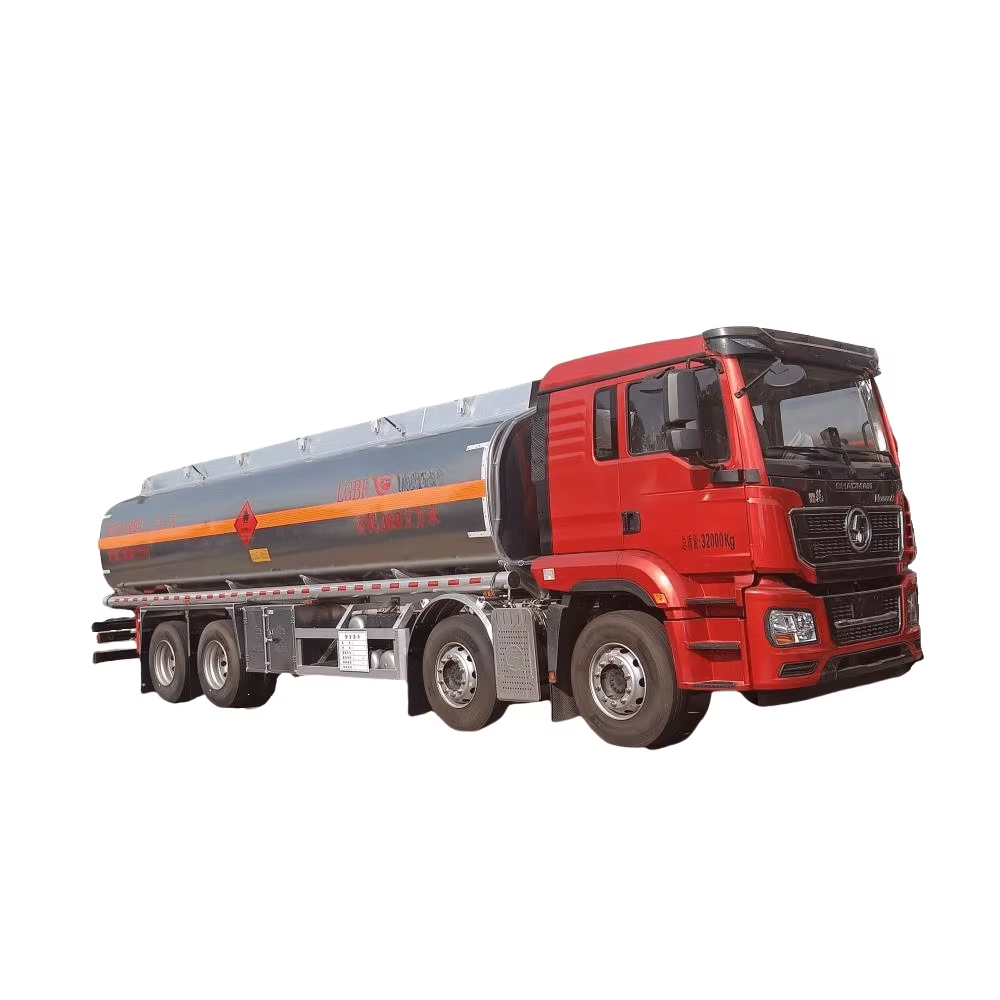
Why Electrifying Chemical Tanker Trucks Is Technically Complex
Inherent challenges: weight sensitivity, energy demand, and hazardous cargo compatibility
Making chemical tanker trucks electric presents some serious roadblocks mainly because of payload limitations and the special requirements for transporting dangerous goods. The weight of batteries eats into how much cargo these trucks can carry, which becomes a big problem when hauling heavy chemicals. Even small changes in weight distribution can throw off vehicle balance and make driving harder. Take a regular diesel tanker that holds around 40,000 liters – switching to electric would probably cut this capacity by about 15 to 20 percent just for the batteries alone. Then there's the extra energy needed for things like keeping chemicals cold during transport, purging tanks with inert gases, or running pumps – all these systems need power beyond what's used just to move the truck forward. This basically means batteries have to do double duty, powering both movement and essential cargo systems, which seriously cuts down on how far these trucks can go before needing a recharge. Material compatibility remains another major hurdle too. Tank linings, gaskets, and seals need to stand up to corrosion and volatility from harsh chemicals, especially when temperatures rise or there are stray electrical currents near high voltage parts. And let's not forget the financial impact either. According to research from Ponemon Institute back in 2023, one single chemical spill incident costs companies roughly $740,000. So maintaining proper materials isn't just good practice – it's absolutely necessary for business survival.
Safety-critical constraints: high-voltage systems vs. ATEX/IECEx compliance for explosive atmospheres
Putting high voltage systems into trucks that carry flammable or reactive chemicals isn't something that can be done with just a few tweaks here and there. Regular diesel tankers work fine with their low voltage controls and mechanical safety features, but electric versions run at much higher voltages between 400 and 800 volts DC. This creates serious problems like arc flashes, thermal runaway situations, and electromagnetic interference right where volatile vapors might be present. The whole setup runs afoul of important safety regulations such as ATEX in Europe and IECEx worldwide standards. These rules demand things like explosion proof enclosures, designs that prevent sparks from happening in the first place, and very tight controls on how hot surfaces get in areas classified as Zone 0 or Zone 1 for dangerous materials. There are plenty of technical roadblocks standing in the way of making this work safely.
- Preventing battery thermal events from triggering vapor ignition
- Ensuring all exposed electrical surfaces remain below autoignition thresholds
- Physically isolating high-voltage cabling from tank walls and grounding paths
- Achieving IP67-rated protection without impeding ventilation needed for vapor dispersion
Meeting these requirements forces redesigns of battery mounting, liquid cooling architecture, emergency disconnect logic, and structural shieldingâadding 18â24 months to development timelines versus standard freight EVs.
Battery-Electric vs. Hybrid-Electric Chemical Tanker Trucks: Performance and Use-Case Fit
Battery-electric chemical tanker trucks: best for regional, fixed-route distribution (â¤300 km)
Electric chemical tanker trucks work best for regional operations where they can return to base each day, especially when trips stay under around 300 kilometers. These vehicles have no exhaust emissions which helps them meet city regulations and corporate sustainability targets. Plus, fixed routes make it easier to plan charging stops and connect to the power grid. But there's a big problem in cold weather. When temperatures drop below freezing, lithium ion batteries hold less energy and take longer to charge. This means operators need special heating systems to keep the trucks running properly and meeting delivery schedules. If companies skip this thermal management, their trucks might lose over 30% of their range during winter months. For anyone operating in colder regions, designing with temperature considerations built in isn't just smart it's absolutely essential.
Hybrid-electric chemical tanker trucks: optimal for mixed-duty, long-haul, or cold-climate operations
Hybrid electric setups give real world flexibility when work patterns change a lot - think long haul chemical transport mixed with city stops or operations in places where winter temps often dip below minus ten degrees Celsius. These vehicles keep a diesel motor as main power source but also have batteries for extra range. This setup solves two big problems facing all electric trucks right now: running out of juice halfway and poor performance in freezing conditions. At the same time, they save money on fuel thanks to energy recovery from braking and electric help when speeding up or moving slowly through tight spaces. Sure, there's more work involved in keeping both systems running smoothly, but most fleet managers find it worth it. Pure electric technology just isn't ready for many demanding applications yet, so hybrids remain a smart middle ground for companies trying to cut emissions without sacrificing day to day reliability.
Regulatory Momentum and Real-World Deployment of Zero-Emission Chemical Tanker Trucks
EU AFIR, US EPA Clean Trucks Rule, and California ACF â what they mean for chemical logistics fleets
Regulatory changes are pushing the chemical transport sector toward zero emissions at an impressive pace. Take the EU's Alternative Fuels Infrastructure Regulation (AFIR) as an example. This regulation demands that high power charging stations be available every 200 kilometers along major transport routes in Europe by 2025. That kind of infrastructure is absolutely necessary if we want to see electric trucks hauling chemicals across important corridors such as the Rhine-Alpine route. Meanwhile over in America, the Environmental Protection Agency has introduced its Clean Trucks Rule which imposes strict limits on tailpipe emissions from heavy duty vehicles. Their goal? A reduction of around 60% by 2032. California went even further with their Advanced Clean Fleets (ACF) regulations back in 2024. These rules require local government and port authority fleets to switch entirely to zero emission vehicles. Private logistics companies will follow suit gradually until 2027 according to the plan. Companies that fail to meet these standards face serious financial consequences too. The EPA can fine them up to $47,000 per non compliant vehicle. So what does all this mean for managers running chemical transportation fleets? They need to start making tough calls right away regarding investments in charging infrastructure, updating depots for electrical systems, and planning out when they'll replace old trucks with newer models. It's not just about avoiding those hefty fines anymore either. Future permits and business deals increasingly depend on meeting environmental, social, and governance (ESG) criteria set by clients and regulators alike.
Pilot programs: Volvo FL Electric and Daimler eActros in European chemical corridor trials
Testing is happening right now across major chemical transport routes throughout Europe, particularly along the Rhine-Alpine corridor that connects Rotterdam, Antwerp, and Basel. Companies are putting Volvo FL Electric trucks and Daimler eActros models to work in actual chemical logistics situations. These vehicles handle dangerous cargo that needs special handling according to strict safety regulations. The ongoing trials look at several key areas of operation. They want to see how well these electric trucks perform when transporting hazardous materials while meeting all the necessary compliance standards for explosive environments.
- Range consistency with full hazardous cargo loads and auxiliary system operation
- Charging efficiency during mandatory driver rest periods (e.g., 45-minute breaks)
- High-voltage system behavior in proximity to flammable vapor zones
Initial tests show that vehicles typically consume around 1.8 kilowatt hours per kilometer when operating under normal temperatures and carrying full loads. But this jumps up to between 2.1 and 2.2 kWh/km during colder months because the system needs extra power for heating both the cabin and managing battery temperature. The data collected so far is shaping how companies plan their charging stations and hydrogen fueling points across key routes where chemicals get transported. This helps ensure that as more electric fleets come online, there will be adequate support infrastructure in place to keep operations running smoothly without interruptions.
Total Cost of Ownership for Modern Chemical Tanker Trucks
The total cost of ownership for chemical tanker trucks covers everything from buying the truck right through to ongoing expenses like fuel, repairs, insurance, permits, and driver wages during its working life. Looking at industry data, diesel tankers burn through around $40k per year just on fuel, while regular maintenance runs about $16k and insurance adds another $8k or so. Electric tankers generally come with a bigger price tag upfront, maybe 30 to 50 percent more than their diesel counterparts. But they save money down the road because electricity costs are much cheaper – somewhere between 20 and 30 percent less than diesel depending on local power prices and how often they need to charge. Plus there's far less maintenance needed since electric vehicles don't require oil changes, exhaust systems, or complicated transmission work. Hybrid models fall somewhere in the middle ground. They cost more than standard diesel trucks but less than fully electric ones. They offer some fuel savings compared to traditional models but still require regular servicing similar to conventional vehicles. The real value of going electric becomes apparent when looking at routes where trucks follow set paths and return to base regularly. These situations allow for predictable charging schedules, stable cargo loads, and fewer miles driven each year, all of which boost efficiency. So fleet operators shouldn't just look at what meets government regulations or has the cheapest purchase price. Instead, they need to consider actual operating conditions, weather patterns, and whether charging stations are available along common routes. After all, the truck that looks cheapest on paper might end up costing far more over time in the chemical transport business.
FAQ Section
What are the main challenges of electrifying chemical tanker trucks?
The main challenges include weight sensitivity due to battery loads, high energy demands for maintaining cargo systems, material compatibility with hazardous chemicals, and safety compliance with high-voltage systems.
Are high-voltage electric systems safe for chemical tanker trucks?
High-voltage systems pose risks such as arc flashes and electromagnetic interference but can be designed to comply with safety standards like ATEX and IECEx with proper engineering.
Which type of electric truck is better suited for cold climates?
Hybrid-electric tanker trucks are more suitable for cold climates due to their ability to utilize both diesel and battery power efficiently in varying conditions.
What regulations are pushing for zero-emission chemical trucks?
Regulations like the EU's AFIR, the US EPA Clean Trucks Rule, and California's ACF are driving the transition to zero-emission vehicles in the chemical logistics sector.
How do electric tanker trucks affect operational costs?
Although electric tanker trucks have a higher upfront cost, they reduce operational expenses through lower fuel and maintenance costs compared to diesel trucks. Predictable routes further enhance efficiency.
Table of Contents
- Why Electrifying Chemical Tanker Trucks Is Technically Complex
- Battery-Electric vs. Hybrid-Electric Chemical Tanker Trucks: Performance and Use-Case Fit
- Regulatory Momentum and Real-World Deployment of Zero-Emission Chemical Tanker Trucks
- Total Cost of Ownership for Modern Chemical Tanker Trucks
-
FAQ Section
- What are the main challenges of electrifying chemical tanker trucks?
- Are high-voltage electric systems safe for chemical tanker trucks?
- Which type of electric truck is better suited for cold climates?
- What regulations are pushing for zero-emission chemical trucks?
- How do electric tanker trucks affect operational costs?