
 EN
EN
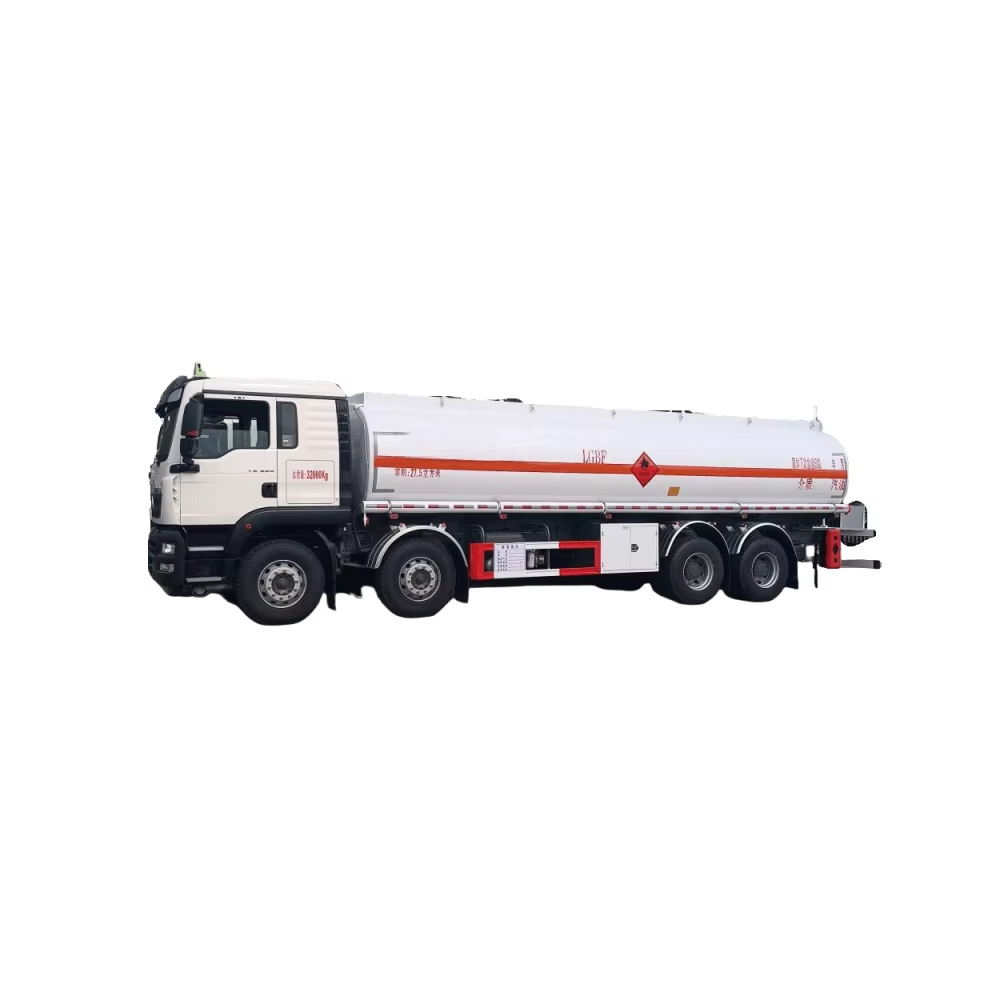
How Insulated Tanker Trucks Support Reliable Temperature-Controlled Transport
Core Thermal Design Principles of Insulated Tanker Trucks
Tanker trucks with insulation keep things at consistent temps thanks to their specially designed thermal engineering. These trucks have walls made of stainless steel with two layers, and between them sits dense polyurethane foam that's really good at stopping heat from getting in or out through conduction, convection, or radiation. Think of it kind of like a super advanced Thermos bottle. This setup keeps products either cold or warm for around 24 hours straight without needing any outside power source. Tests show this insulation cuts down on outside temperature effects by about 90% when compared to regular single-layer tanks. The materials used are picked carefully too. They need to be strong enough to handle rough roads but also safe for food stuffs and medicines so nothing gets contaminated. Plus they resist rust and damage from bumps along the way. Since there aren't any compressors running or moving parts involved, there just aren't as many places where something can go wrong. If someone takes care of these systems properly, they'll keep product temps stable within about plus or minus 2 degrees Celsius even when it's freezing cold at minus 30 or sweltering hot at plus 45 outside. That makes these insulated tankers absolutely essential for transporting delicate items like prescription drugs, milk products, and special chemical solutions that demand strict temperature control during transport.
Insulated Tanker Truck vs. Refrigerated (Reefer) Truck: When Passive Insulation Is the Strategic Choice
Passive insulated tanker trucks deliver compelling operational advantages over active refrigerated units—when temperature maintenance—not active cooling—is the primary requirement:
- Energy efficiency: Zero fuel or electricity consumption for thermal retention cuts operational costs by 30–40% versus reefer trucks
- Maintenance simplicity: Absence of compressors, condensers, and refrigerant circuits reduces mechanical failures by 60%
- Optimal use cases: Best suited for pre-conditioned products held between 4°C and 15°C—such as pasteurized milk, insulin vials, or liquid nutritional formulas
- Payload capacity: Eliminating refrigeration hardware increases usable cargo volume by 12–18%
Reefer trucks remain essential for deep-frozen transport (<−18°C) or ambient-to-chilled transitions. But for stable, mid-range temperature control—especially across multi-stop urban deliveries where engine idling is restricted—insulated tankers provide equivalent thermal assurance with lower emissions, quieter operation, and stronger regulatory alignment.
IoT-Enabled Temperature Monitoring for Insulated Tanker Trucks
The Internet of Things has changed how we think about insulated tanker trucks, turning them from simple storage containers into smart parts of the cold chain network. These wireless sensors are placed throughout different areas inside the truck and take temperature measurements roughly every 5 to 15 seconds. They send all this information securely to online systems where it can be monitored remotely. Compared to old fashioned manual inspections or basic logging devices, these constant updates show tiny temperature changes that matter a lot for things like biological materials, vaccines, and enzymes. Even short periods outside the safe range of 2 to 8 degrees Celsius can ruin these sensitive products forever. Modern sensor packages go beyond just temperature monitoring too. They track when doors open, measure how much the truck vibrates, check humidity levels, and watch atmospheric pressure. This combination helps spot problems with insulation such as worn seals or spots where heat leaks through. With real time data at their fingertips, logistics managers can tweak air flow settings, find alternative routes avoiding hot zones, or start unloading early if needed. According to recent research published last year, companies using this technology see about a quarter reduction in product loss during transport of medicines and other temperature sensitive goods.
Automated Alerts and Data Logging to Prevent Temperature Excursions
If temperatures go beyond acceptable limits, automatic warnings pop up through text messages, emails, or on dashboard screens in the trucks. These alerts kick off quick actions like changing air flow settings, stopping deliveries temporarily, or starting backup plans when needed. At the same time, secure data recorders capture unchangeable records with timestamps showing exactly where problems happened, how long they lasted, and what was going on around them (think door openings or periods when vehicles just sat there). The whole system creates digital records that meet FDA regulations under 21 CFR Part 11 as well as EU standards for good distribution practices. This replaces those old paper forms that people often messed up and closes many compliance loopholes. Looking at the data helps spot bigger issues too - maybe certain delivery times or particular routes keep causing problems. Fixing these spots means better truck maintenance and smarter training for drivers. Research into supply chains shows companies using this kind of tech cut down temperature problems by roughly 80%. What used to be just another vehicle becomes something much more valuable: an actual asset in maintaining proper cold storage conditions throughout the entire shipping process.
Strategic Integration of Gensets, Refrigerated Trailers, and Thermal Containers
Passive insulation definitely plays its part as the basic thermal barrier, but when things get really busy in logistics operations, we need to bring in some smart supplementary gear too. Generators come into play here, providing clean backup power to keep those monitoring systems running even when vehicles are stopped for long periods or there's a power outage somewhere along the route. This keeps all our valuable data intact without putting unnecessary strain on the vehicle batteries. Refrigerated trailers work great as sort of movable cooling areas for mixed loads. Shippers can then turn on actual refrigeration only where absolutely necessary, which cuts down overall energy consumption by around 40% compared to having every single trailer fully refrigerated all the time. And let's not forget about those thermal containers with phase change materials inside them. These containers basically function as heat sponges within cargo spaces, soaking up excess warmth whenever doors get opened repeatedly. They've been shown to make a real difference on those fast-moving delivery routes for pharmacies and grocery stores where temperature control is absolutely critical.
The IoT controllers bring all these components together pretty effectively. When generators are running, the load management software makes sure critical sensors get their power first. And if someone opens a door unexpectedly, it triggers those PCM gel packs right away in nearby thermal containers to keep things cool. Looking at numbers from the Ponemon Institute's latest Cold Chain Resilience report from 2023, companies that implement this kind of integrated system tend to save around $740k each year on average when it comes to temperature related losses. That's quite a chunk of change considering how sensitive cold chain logistics can be.
| Equipment | Primary Purpose | Value in Integration |
|---|---|---|
| Gensets | Backup power for sensors/controls | Prevents data gaps during transit pauses |
| Refrigerated Trailers | Active cooling for critical subsections | Lowers total energy use vs. full refrigeration |
| Thermal Containers | Buffer against door-open exposures | Maintains stability in high-traffic routes |
This layered strategy transforms insulated tanker trucks from static insulators into adaptive, responsive nodes—delivering cost-efficient, auditable, and regulation-ready thermal protection.
Regulatory and Commercial Drivers for Insulated Tanker Truck Adoption
Regulatory changes around the world plus clear financial benefits are pushing companies toward insulated tanker trucks at an impressive rate. Take the FDA's new 2023 FSMA rule on sanitary transportation for instance. This regulation requires detailed documentation of temperature control for pharmaceutical products and perishable goods. Real time monitoring systems must be in place too, along with tamper proof records that can't be altered later. Companies caught breaking these rules face fines over $100k each time they fail, plus forced product recalls. The Food Logistics Regulatory Outlook from 2024 makes this very clear. From a business standpoint, insulated tankers help meet green targets while also protecting profits. These vehicles keep things at stable temperatures for three days straight without needing extra power sources. That cuts down on fuel costs and maintenance expenses related to refrigeration by roughly 30 to 40 percent. Such efficiency opens up new opportunities for transporting valuable items sensitive to temperature fluctuations. Think about how important this is for moving mRNA vaccines or specialized agricultural chemicals across long distances. Customers start trusting brands more when they see evidence of proper cold chain management throughout the delivery process. Smart logistics managers no longer view investing in insulated tankers just as another expense item. Instead, many see them as essential tools that help stay compliant with regulations, gain competitive edge in the market, and demonstrate genuine commitment to environmental responsibility.
FAQ Section
Q: What is the primary benefit of using insulated tanker trucks?
A: Insulated tanker trucks provide reliable temperature control without the need for external power sources, which reduces energy consumption and operational costs significantly.
Q: How do IoT sensors benefit insulated tanker trucks?
A: IoT sensors enable real-time temperature monitoring, allowing logistics managers to detect and address temperature excursions promptly, thus protecting sensitive products.
Q: Why choose insulated tanker trucks over refrigerated trucks?
A: Insulated tanker trucks are more cost-effective for maintaining stable temperatures, as they do not require refrigeration systems that consume energy and need extensive maintenance.
Q: Are insulated tanker trucks compliant with regulatory standards?
A: Yes, insulated tanker trucks equipped with IoT monitoring systems and automated data logging meet FDA and EU regulatory standards for temperature-controlled transportation.
Table of Contents
-
How Insulated Tanker Trucks Support Reliable Temperature-Controlled Transport
- Core Thermal Design Principles of Insulated Tanker Trucks
- Insulated Tanker Truck vs. Refrigerated (Reefer) Truck: When Passive Insulation Is the Strategic Choice
- IoT-Enabled Temperature Monitoring for Insulated Tanker Trucks
- Automated Alerts and Data Logging to Prevent Temperature Excursions
- Strategic Integration of Gensets, Refrigerated Trailers, and Thermal Containers
- Regulatory and Commercial Drivers for Insulated Tanker Truck Adoption
- FAQ Section