
 EN
EN
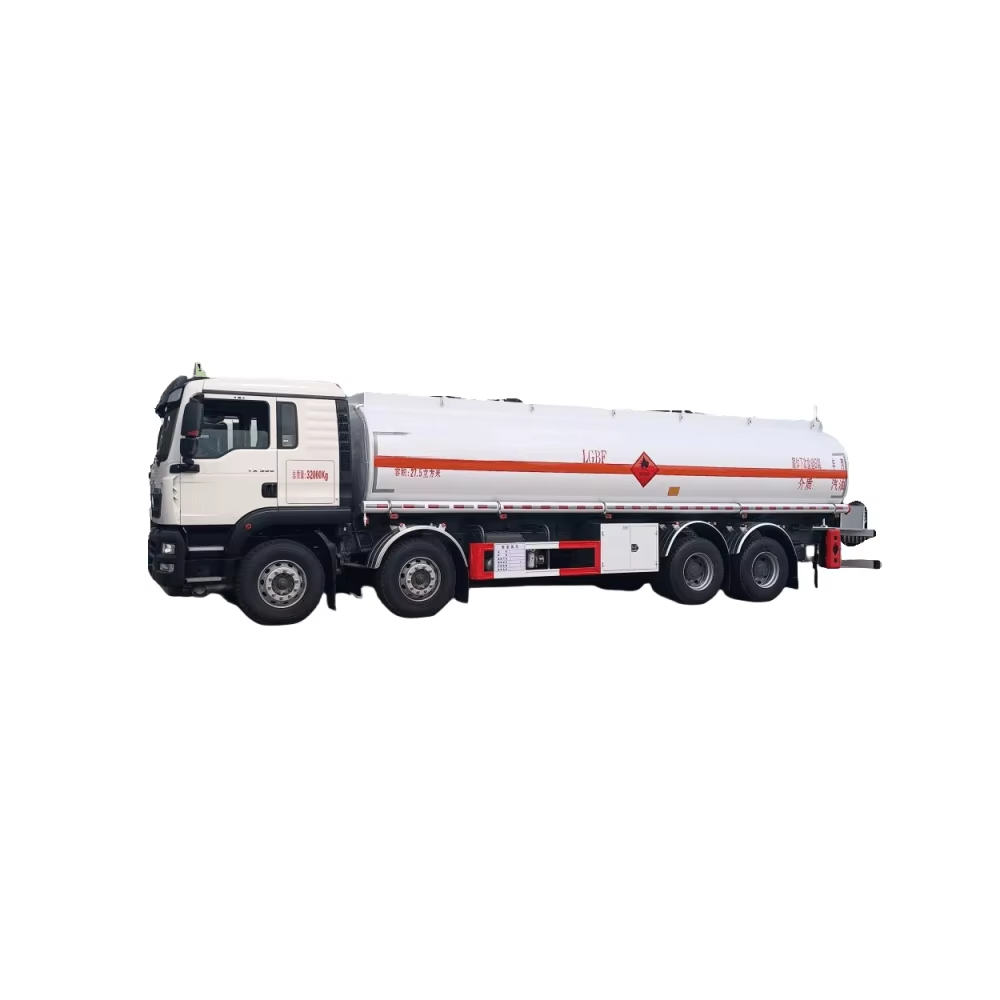
Oil Tanker Types: How Crude and Product Vessels Serve Distinct Supply Chain Functions
Crude Tankers: VLCCs, ULCCs, and Route-Specific Sizing for Long-Haul Bulk Transport
The massive ships that carry crude oil are really what keeps the whole global energy system running smoothly, shuttling raw petroleum from where it's extracted right over to those processing plants. These Very Large Crude Carriers, or VLCCs for short, typically hold anywhere from 200k to around 320k deadweight tons, making them perfect for those long trips across the ocean, especially on routes connecting the Middle East with Asian markets. When we're talking about super long hauls where every bit of efficiency counts, there are even bigger ships called Ultra Large Crude Carriers that go beyond 320k DWT in capacity. The whole point of having different sizes is basically to cut down on how much it costs to move each individual barrel of oil across thousands of miles of water. Smart tanker companies carefully pick which type of ship works best based on what ports can handle and what makes economic sense along different shipping lanes, so they can get that precious crude delivered efficiently to all the major refineries around the world.
Product Tankers: Smaller, Clean-Design Vessels Enabling Flexible Regional Refined Fuel Distribution
Product tankers handle post-refinery distribution, transporting gasoline, diesel, and jet fuel to regional markets. These specialized vessels feature:
- Smaller capacities (10,000–60,000 DWT) for port accessibility
- Segregated tank systems preventing cross-contamination
- Advanced coating technologies maintaining fuel purity
Unlike crude carriers, product tankers navigate complex regional networks—delivering to diverse terminals with varying emission regulations and quality standards. Their operational flexibility allows rapid rerouting to address local supply gaps, making them indispensable for just-in-time fuel distribution.
Oil Tanker Logistics for Crude Oil: Bridging Production Hubs and Refineries
Efficient crude oil transportation hinges on navigating strategic maritime corridors and deploying specialized vessels. Over 60% of global seaborne crude relies on VLCCs, whose 2-million-barrel capacity is essential for transcontinental routes like Middle East-to-Asia voyages. This fleet concentration creates significant infrastructure dependencies at critical chokepoints:
Strategic Chokepoints and Infrastructure Dependencies: Hormuz, Suez, and Malacca
According to the U.S. Energy Information Administration from 2023, around 21 million barrels of oil pass through the Strait of Hormuz each day, whereas the Malacca Strait deals with approximately 16 million barrels. When something goes wrong in these areas, it doesn't take long before we start seeing changes in global crude prices because there really aren't many alternative routes available for tankers. Scheduling tankers isn't just about picking dates either. Operators have to consider things like how deep the water is at various ports, whether pipeline terminals are actually free when needed, and what the weather forecast looks like weeks ahead. All these factors mean companies need sophisticated voyage planning software if they want to avoid those expensive delays that can really eat into profits.
Fleet Composition Insight: Why VLCCs Dominate Long-Haul Trade—and What It Means for Market Responsiveness
VLCCs dominate long-haul routes because their scale reduces transport costs per barrel by 35–40% versus smaller vessels (Clarksons Research 2023). However, this creates trade-offs in market agility:
| Tanker Class | Capacity (Barrels) | Route Flexibility | Turnaround Time |
|---|---|---|---|
| VLCC/ULCC | 1.9M–3.5M+ | Limited | 45–60 days |
| Aframax/Suezmax | 500K–1M | Moderate | 20–30 days |
This concentration means supply shocks take longer to resolve—when Libyan exports halted in 2022, VLCC repositioning from Asia required six weeks, exacerbating regional shortages. Conversely, smaller Aframax tankers enable faster responses to regional demand shifts but increase per-unit costs for intercontinental shipments.
Oil Tanker Operations in Refined Product Distribution: Navigating Fragmentation and Compliance
Delivering Gasoline, Diesel, and Jet Fuel Across Divergent Port Standards, Emission Zones, and Quality Regulations
The business of moving refined fuels around the world presents product tankers with all sorts of operational challenges. Different ports have their own safety rules which means ships need to adjust how they dock and unload depending on where they are. Take the Baltic Sea for example - ships operating there must stick to strict 0.10% sulfur limits set by the International Maritime Organization. At the same time, these vessels also deal with conflicting fuel quality requirements. European markets demand super clean diesel with just 10 parts per million sulfur, whereas many other regions will accept fuel containing up to 5,000 ppm. Navigating this confusing web of regulations requires careful planning and lots of paperwork to avoid getting stuck in port. Smart operators use separate tanks for different fuels and invest in tracking technology to keep everything straight during complex multi-stop trips. Crew members get special training for quality checks and safety procedures that vary from country to country. Software helps plot routes that stay clear of restricted emission zones. And let's not forget the financial stakes: even one regulatory mistake can cost around $85,000, so getting every detail right matters a lot for keeping global energy supplies flowing smoothly.
Oil Tankers as Strategic Supply Chain Integrators: Elasticity, Visibility, and Risk Mitigation
Oil tankers today play a vital role in keeping our energy supply chains stable by offering three key functions that help protect against market fluctuations. One major advantage is their flexibility when it comes to adjusting capacity quickly. When there's a sudden spike in demand or problems with pipelines, these massive ships can change course within just a few days something fixed infrastructure simply cannot do. Some very large crude carriers (VLCCs) even act as floating storage tanks holding millions of barrels right out at sea.
Thanks to modern tech like AIS tracking systems and satellite monitoring, industry players get real time updates on where shipments are, what temperature they're at, and how accurate arrival times really are usually within about two hours. This kind of visibility helps avoid traffic jams at busy ports such as Rotterdam or Singapore. Safety features matter too. Tankers have special compartments inside that keep them stable even in rough ocean conditions. Plus, most follow strict environmental rules including those set by the IMO regarding sulfur emissions since 2020. All these factors together mean that tankers aren't just moving oil around anymore they actually serve as important buffers in the global oil system, smoothing out supply issues when things get chaotic.
FAQ Section
What are the main types of oil tankers discussed in the article?
The article discusses two main types of oil tankers: Crude Tankers, which include VLCCs and ULCCs, and Product Tankers, which are used for distributing refined fuels like gasoline, diesel, and jet fuel.
How do crude tankers differ from product tankers?
Crude tankers are designed for transporting large quantities of raw petroleum over long distances, while product tankers are smaller, specialized vessels intended for regional distribution of refined fuel products.
Why are VLCCs significant in the global oil transport system?
VLCCs are significant because of their large capacity and cost-efficiency, which allows them to reduce transport costs per barrel by 35-40% compared to smaller vessels.
What are the challenges faced by product tankers in fuel distribution?
Product tankers face challenges like navigating different port regulations, varying fuel quality standards, and emission zones, requiring careful planning and compliance.
Table of Contents
- Oil Tanker Types: How Crude and Product Vessels Serve Distinct Supply Chain Functions
- Oil Tanker Logistics for Crude Oil: Bridging Production Hubs and Refineries
- Oil Tanker Operations in Refined Product Distribution: Navigating Fragmentation and Compliance
- Oil Tankers as Strategic Supply Chain Integrators: Elasticity, Visibility, and Risk Mitigation
- FAQ Section