
 EN
EN
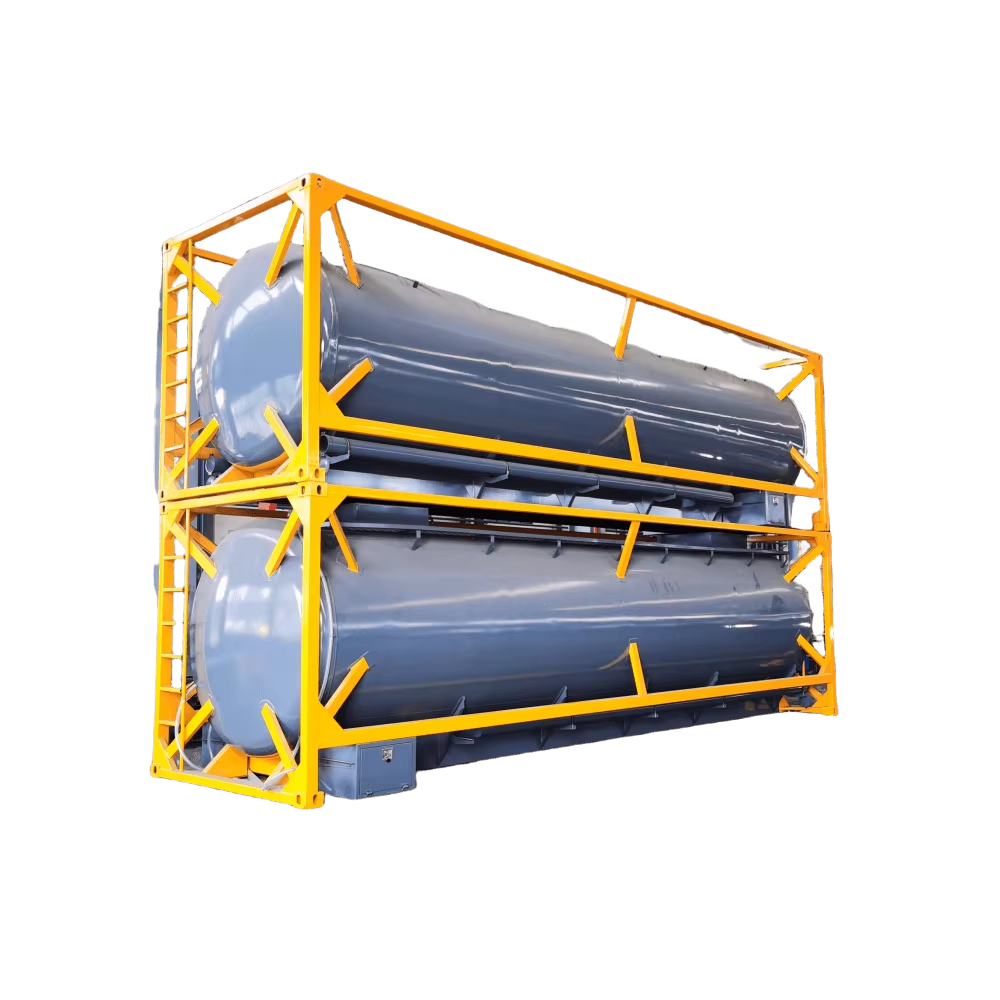
Advanced Materials for Corrosives Tank Container Integrity
Super Duplex & High-Molybdenum Stainless Steels in T14 ISO Corrosives Tank Containers
The use of super duplex stainless steel (SDSS) along with 6% molybdenum stainless steels is changing what we expect from structural materials in T14 ISO tank containers. These metals offer around 2 to 3 times better protection against pitting corrosion than regular 316L steel, making them ideal for environments filled with saltwater or acidic substances commonly encountered during industrial acid transportation. Their impressive yield strength exceeding 550 MPa means they can handle significant internal pressure safely. What really stands out though is their unique dual phase microstructure, which naturally fights off stress corrosion cracking – one of the main reasons tanks fail catastrophically when exposed to harsh chemicals. Maintenance becomes much less frequent too, cutting down required checks by about 40% over traditional stainless options. When dealing specifically with sulfuric acid at higher temperatures above 60 degrees Celsius, the molybdenum enriched variants keep corrosion rates under control at less than 0.1 mm per year, essentially extending service life nearly twice as long while still meeting all ISO T14 standards for container certification.
Polymer Alternatives: HDPE, XLPE, and FRP Performance for Acidic/Oxidizing Corrosives Tank Containers
When dealing with situations where metal tends to corrode away, non-metallic materials can really shine. Take high density polyethylene for instance it works great containing hydrochloric acid solutions as strong as 20% at room temperature. If things get hotter, cross linked polyethylene steps in and handles the same acid but all the way up to about 90 degrees Celsius. Fiber reinforced polymer composites are something else altogether. These materials stand up exceptionally well against oxidizing chemicals like nitric acid and chromates. The permeation rate is actually around 90% less compared to regular thermoplastic liners. For transporting really aggressive chemical mixtures such as combinations of nitric and hydrofluoric acid, layered FRP structures with those special vinyl ester barriers become essential. One major plus point is that these systems completely avoid galvanic corrosion issues. But there's a catch too. Maintaining proper thickness becomes absolutely critical, particularly at spots where loads shift around dynamically. Without careful monitoring, mechanical failures could happen during those long hauls between different transportation modes.
Next-Generation Internal Linings and Coatings for Corrosives Tank Containers
Fluoropolymer Linings (PFA, ETFE) for Extreme pH and Halogen Resistance
The linings made from Perfluoroalkoxy (PFA) and Ethylene Tetrafluoroethylene (ETFE) offer exceptional resistance to chemicals, making them top choices for ISO certified corrosive material transport tanks. These materials can handle long periods of contact with extremely acidic or alkaline substances ranging from pH 0 to 3 and 11 to 14 without breaking down. They also perform well in environments rich in halogens such as chlorine and bromine solutions. The ETFE variant maintains thermal stability even at temperatures reaching 150 degrees Celsius, which means it stays intact during transportation regardless of outside temperature changes or heat generated by the cargo itself. Research published in 2021 by the Materials Performance Institute showed that PFA loses only 0.3% of its mass over 5,000 hours immersed in 50% nitric acid, beating rubber alternatives by nearly half. Since these materials don't react chemically with what they contain, there's no risk of contamination through leaching, and they can endure the constant heating and cooling cycles that happen naturally during international shipping operations between different modes of transport.
Nanocomposite Coatings with Self-Healing Silica–Graphene Oxide Barriers
The latest generation of nanocomposite coatings for T14 tank containers actually contains a mix of silica reinforced graphene oxide along with tiny capsules filled with healing agents. When those microscopic cracks start forming from regular handling or temperature changes, the capsules pop open and let out special monomers that fix the damage completely within about three days according to research published last year. What makes this coating stand out is how well it blocks chloride ions compared to regular epoxy stuff we've been using for decades. Tests show graphene oxide particles stop those corrosive ions twice as effectively. Plus, the silica nanoparticles really step up the game when it comes to resisting wear and tear around critical areas like baffles and valve outlets where stress builds up over time. Tank manufacturers ran some pretty harsh tests in sulfuric acid baths and saw an amazing 89% drop in failures compared to traditional vinyl ester coatings. That kind of protection means longer lasting equipment and fewer safety risks during operation.
Smart Safety Systems in Modern Corrosives Tank Containers
Real-Time Corrosion Monitoring via Embedded Fiber-Optic Sensors and EIS
The latest T14 tank containers now come equipped with fiber optic sensors alongside EIS probes for ongoing corrosion monitoring that actually helps prevent problems. OFDR technology can measure how thick container walls are down to just 0.1mm accuracy, catching metal loss at very early stages before any serious structural issues develop. The EIS system works by tracking changes in electrical resistance inside the cargo area, so it spots tiny pits or cracks forming even when nothing looks wrong on the surface. When certain conditions happen like pH levels going outside normal ranges or temperatures rising above safe limits, the system sends out warnings in under three seconds flat. Looking at data from the Ponemon Institute released last year shows these advanced systems cut down on corrosion problems by almost nine out of ten cases and saves companies around seven hundred forty thousand dollars each year on inspections without sacrificing safety standards required for transporting dangerous liquids under ISO-T14 guidelines.
Regulatory Compliance and Certification Innovations for Corrosives Tank Containers
IMDG, ADR, and CSC Alignment: T14 ISO Updates and Temperature-Controlled Compartmentalization
Recent changes have brought together regulations from the IMDG Code, ADR agreement, and CSC convention to create consistent safety rules for corrosive material transport tanks. The new T14 ISO standard requires better separation between sections carrying temperature sensitive materials, which matters a lot when moving different acids like sulfuric and hydrofluoric acid in one container. This helps stop dangerous mixing and prevents dangerous heat reactions. Some important changes are needed now including getting pressure valves checked again after 2.5 years, having independent experts test the heat protection between compartments, and installing mandatory temperature tracking devices on all shipments kept at controlled temps. Companies that fail to follow these rules face fines over $200,000 for each violation according to IMO reports from last year. These updated regulations cut down paperwork mistakes by about 30 percent and keep containers strong whether they're stored in freezing Arctic conditions or transported through hot desert climates, without affecting their ISO-T14 certification status.
FAQ
What are super duplex stainless steels?
Super duplex stainless steels are a type of stainless steel known for high strength and exceptional resistance to pitting and stress corrosion, particularly in environments containing saltwater or acidic substances.
How do polymer materials compare to metal for corrosives tank containers?
Polymer materials like HDPE and XLPE can outperform metals in certain scenarios, especially when dealing with highly acidic or oxidizing chemicals, making them favorable choices in terms of corrosion resistance.
What are the benefits of nanocomposite coatings?
Nanocomposite coatings, such as those incorporating silica and graphene oxide, provide enhanced protection against corrosion by effectively blocking ions and resisting wear, leading to longer-lasting equipment.
How do fiber-optic sensors work in corrosion monitoring?
Fiber-optic sensors provide real-time corrosion monitoring by measuring wall thickness with great accuracy and detecting early signs of metal loss or structural issues before they become problematic.
What is the importance of regulatory compliance for corrosives tank containers?
Regulatory compliance ensures that corrosive tank containers meet international safety standards, avoiding dangerous chemical reactions and hefty fines, while maintaining certification status.