
 EN
EN
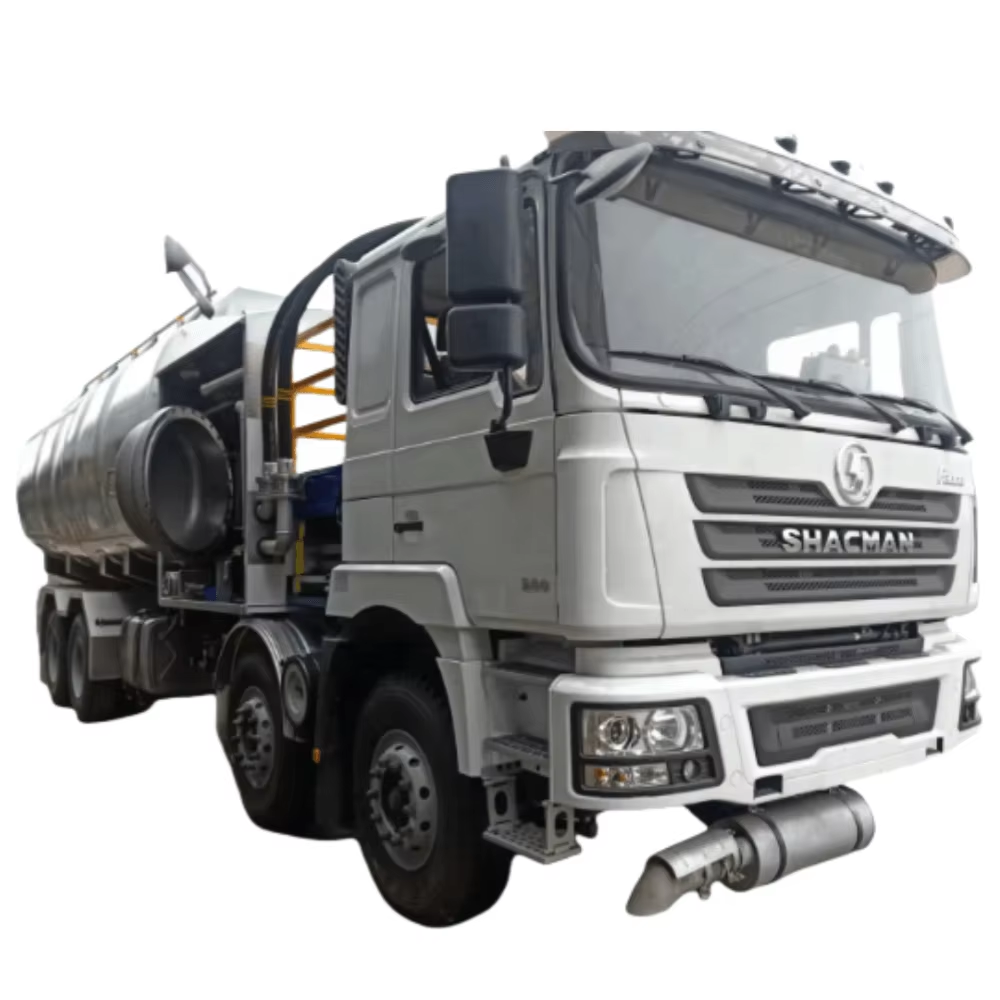
Why Helicopter Refueling Truck Mobility Is Critical in Emergency Scenarios
In situations where disasters hit or conflicts break out, time becomes absolutely crucial. Helicopter refueling vehicles that can move quickly across various terrains play a major role in determining whether missions succeed or fail because they allow for fast responses when regular fuel stations aren't available. The problem with fixed refueling locations is they become choke points during operations. According to recent research from U.S. Army TRADOC in 2023, sticking assets in one place leads to roughly 42 percent slowdowns on average during important missions. That's why mobile refueling solutions matter so much. These units avoid such problems by adapting to whatever landscape they need to operate in, getting to isolated areas affected by disasters or entering combat zones rapidly without waiting for established infrastructure to support them.
Key advantages include:
- Evasion of threats: Continuously repositioning assets avoids becoming targets
- Access to confined areas: Navigating rubble, forests, or mountainous terrain
- Fuel continuity: Preventing aircraft downtime during extended operations
When dealing with situations such as raging wildfires or rescue operations in conflict zones, having mobile refueling capabilities keeps planes flying longer without needing to go back to their home bases. Imagine a scenario where a helicopter gets refueled at the scene just 15 minutes after arrival rather than waiting nearly an hour for traditional methods. That difference could literally mean saving many lives when hundreds need evacuation fast. What used to be seen as a logistical headache for military and emergency services is now becoming something they can actually count on strategically. The ability to quickly replenish fuel stocks right where action happens turns what was once a major drawback into something that gives responders a real edge in critical moments.
Tactical Mobility Features of Modern Helicopter Refueling Trucks
Terrain-Adaptive Chassis and Rapid Deployment Capabilities
Today's helicopter refueling trucks come equipped with special suspensions and multi-wheel drive setups that let them move through all sorts of rough terrain including mud, sand, and battlefield conditions while still hitting speeds over 50 km/h. The articulated axle design keeps things stable even on steep inclines of around 30 degrees. What really matters though is the built-in hydraulic system which makes setting everything up much faster than before. Stabilizers, hose reels, grounding equipment can all be deployed within just under a minute and a half according to field testing. These improvements cut down the time needed to establish Forward Arming and Refueling Points by almost two thirds compared to older models. When moving equipment quickly becomes absolutely essential during operations where enemy observation is a constant threat, this kind of speed difference can make all the difference in mission success.
Dispersion Strategies to Reduce Targetability and Enhance Survivability
Decentralized positioning protocols mitigate vulnerability during refueling operations. Tactical simulation studies reveal clustered refueling assets face 68% higher engagement risk from artillery or drones. Modern doctrine enforces:
- Minimum 200m spacing between trucks
- Natural terrain masking (e.g., ravines, forest cover)
- Pre-planned secondary rally points
- Electromagnetic signature dampening
These measures cut detectable footprints by 42% while maintaining coordinated fuel transfer. Survivability hinges on dispersion without compromising response agility—a balance achieved through GPS-synchronized movement patterns.
Speed Optimization: From FARP Setup to First Fuel Delivery
Time-to-Operational-Readiness Metrics Across FARP Configurations
Measuring time-to-operational-readiness is essential for evaluating helicopter refueling truck effectiveness in FARPs. Key benchmarks include:
- Setup duration: Mobile units achieve operational status in under 15 minutes versus 35+ minutes for fixed systems
- First-fuel timelines: Advanced trucks deliver initial fuel loads within 8 minutes post-arrival at unprepared sites
- Configuration flexibility: Modular designs adapt to confined urban zones or rugged terrain with equal efficiency
These metrics reveal how tactical mobility directly impacts mission-critical response windows during emergencies.
Integrated Pump-in-Truck Architecture for Accelerated Helicopter Refueling
Modular Fuel Transfer Systems and Onboard Flow Rate Optimization
Today's helicopter refueling trucks have built-in pumps right inside their frame, so they don't need all those extra pieces of equipment hanging around. The design makes things easier because it packs everything needed for moving fuel - filters, meters, pressure regulators - into these modular cartridge systems. These replaceable parts mean technicians can swap them out quickly when something breaks down, plus they work with different kinds of aviation fuel like SAF too. There are smart computer programs on board that constantly tweak pressure levels and how much fuel moves through, which means filling up takes anywhere from 30 to 50 percent less time than older models did. Getting rid of those hoses connected to outside pumps also means fewer leaks happen, and saves about 15 whole minutes every time someone needs to set up for refueling. That matters a lot during emergencies when helicopters need to get back in the air fast. The trucks use special high performance impellers made from materials that won't corrode easily, keeping fuel flowing at over 300 gallons per minute even after long periods of constant operation.
FAQ
Why is helicopter refueling truck mobility essential?
Helicopter refueling trucks provide critical mobility in emergency scenarios by eliminating the reliance on fixed refueling locations, thus speeding up mission response times in areas without existing infrastructure.
What is a Forward Arming and Refueling Point (FARP)?
A FARP is a temporary tactical refueling and arming location set up quickly near combat or emergency zones to keep operations ongoing without needing to return to a base.
How do modern refueling trucks reduce targetability?
They implement dispersion strategies like maintaining minimum spacing, utilizing natural terrain for masking, and using electromagnetic signature dampening.
What are the advantages of modular fuel systems?
Modular systems are cost-effective, easy to repair, and compatible with various aviation fuels. They enhance efficiency by significantly reducing refueling time