
 EN
EN
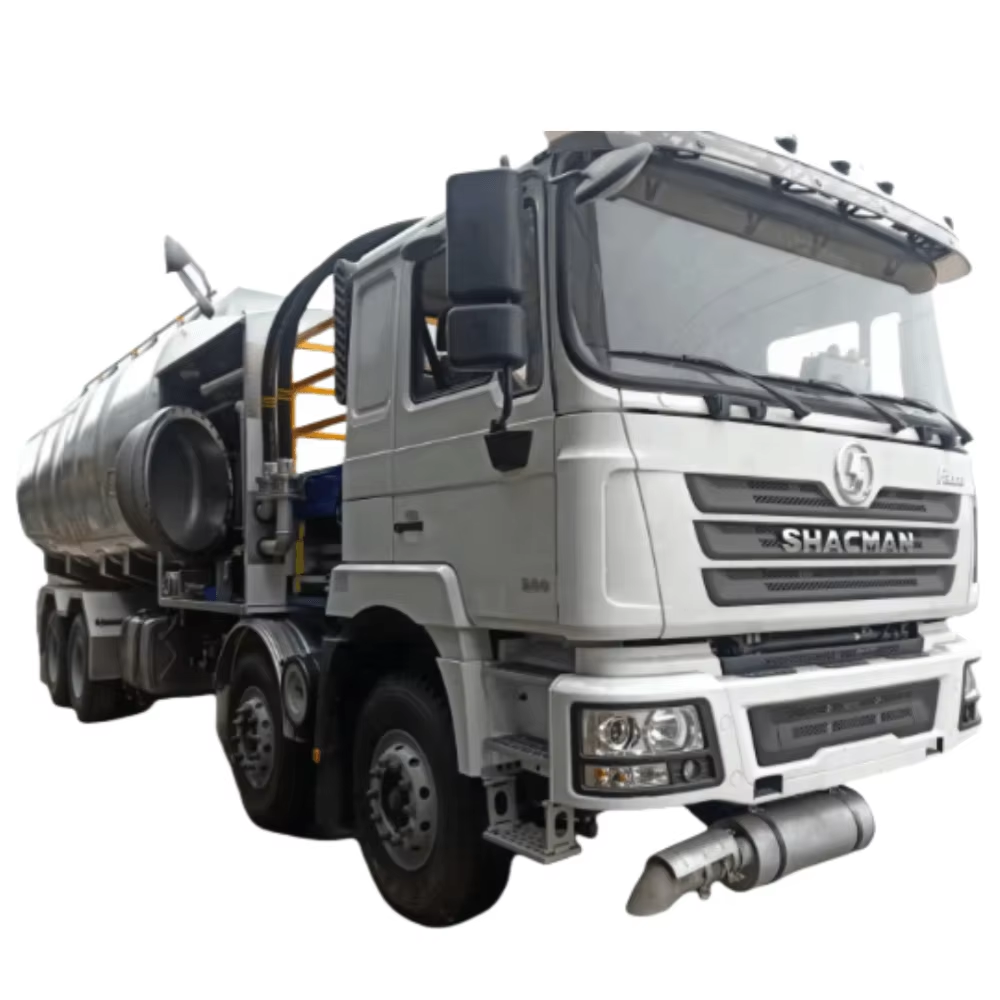
Why Range Anxiety Is Unique—and More Complex—in Battery Energy Trucks
Payload, grade, and auxiliary loads: How commercial duty cycles strain battery energy trucks differently than passenger EVs
Electric trucks have serious range issues when compared to regular passenger electric vehicles because they work so much harder all day long. Passenger cars just need to carry people and maybe some groceries, while big commercial trucks are constantly moving payloads over 10,000 pounds. This means they burn through battery power at about twice or even three times the rate of regular EVs per mile driven. The problem gets worse on hills too. A simple 6 percent grade can cut the range of a fully loaded 19,500 pound truck down by almost half. And then there's all those extra systems running continuously that we don't see in our everyday cars. Refrigeration units keeping produce cold, lift gates opening and closing, air conditioning for drivers - these things eat into battery life throughout each delivery run without anyone really noticing until the truck suddenly stops dead in its tracks.
The compounding impact of temperature, HVAC, and regenerative braking limits on real-world range
When temperatures drop below freezing, electric trucks face multiple efficiency hits that really cut into their performance. Battery powered commercial vehicles lose around 30 to 40 percent of their range in these conditions, which is actually worse than what we see in regular passenger electric cars. The reason? Big trucks have much larger cabins that need significantly more heating and cooling power. And things get even worse when we look at regenerative braking systems. Cold weather basically limits how much energy can be captured during those frequent city driving stops. All these issues combine into what some folks call a "range penalty stack." Take a truck advertised for 200 miles on paper - in real world winter conditions, drivers might only get about 110 miles before needing to recharge. That kind of gap makes a big difference in fleet operations across northern regions.
The Three Pillars That Determine Real-World Range for Battery Energy Trucks
The real-world driving range of electric trucks depends on three main things: how they're built, what happens during operation, and the surrounding conditions. When it comes to engineering, factors like battery size (measured in kilowatt hours), how efficient the power system is, and whether there's good thermal management all set the starting point for range. The US Department of Energy has found that well-designed trucks can be about 40% more efficient than regular models. Then there are day-to-day operations that eat into battery life. Things like carrying heavy loads, driving over hills, and running extra equipment such as coolers really drain power fast. Try moving around 10,000 pounds and suddenly the truck goes only half as far when empty. Weather also plays a big role. Cold temperatures or steep roads make everything worse, and turning on heating or air conditioning in bad weather can cut range by anywhere from 20 to 30 percent. All these elements work together in complicated ways. Take an older battery pack in freezing weather while loaded to max capacity, and sometimes the truck ends up going just about half of what it should normally achieve.
Proven Operational Strategies to Mitigate Range Anxiety in Active Fleets
Leading logistics fleets demonstrate that operational intelligence—not just hardware—determines real-world viability for battery energy trucks. By optimizing routes, loads, and thermal management, operators achieve reliable range even in demanding conditions.
DHL’s urban delivery optimization: dynamic charging integration and payload-aware routing for battery energy trucks
The European DHL pilot program cut down on unexpected charging breaks by around 40 percent thanks to smart routing software that looks at package weight when planning city deliveries. They managed to keep schedules running smoothly at about 98% reliability even when cargo loads varied throughout the day. The trick? Lighter packages get sent on longer trips where possible, so batteries last longer between charges. What makes this approach work is how it balances route planning with actual battery needs. Urban fleet managers worried about erratic power usage during stop-start traffic patterns will find this particularly useful as more companies switch to electric delivery vehicles across Europe's cities.
Amazon’s Rivian EDV cold-weather playbook: battery preconditioning, driver coaching, and thermal workflow design
Amazon’s winter protocols counter the 30% range loss typical in sub-zero climates. Their approach combines:
- Preconditioning: Batteries warm while plugged in pre-departure, cutting cold-start drain
- Driver coaching: Reduced HVAC usage via heated seats and steering wheels saves ~15% energy
- Route thermal mapping: Avoiding steep grades during temperature lows preserves regenerative braking efficiency
This integrated strategy maintained delivery volumes in Chicago winters (–10°C), proving operational adjustments mitigate climate impacts more effectively than battery oversizing alone.
Next-Generation Technologies Closing the Range Gap for Battery Energy Trucks
Solid-State Batteries and 800V Architectures: Pathways to 300+ Mile Usable Range Under Medium-Duty Loads
Battery powered trucks still struggle with limited range when carrying real world loads, though new tech is changing things fast. Solid state batteries pack over 300 Wh/kg of energy density, which means they can store about 40 percent more power in the same space as older models. Plus, these batteries ditch the flammable liquid electrolytes that have been a major safety concern for years. What does this mean for actual truck operations? Medium duty vehicles can now hit around 300 miles on a single charge without having to sacrifice valuable cargo space. And there's another boost coming from higher voltage systems too. The newer 800V architecture cuts down electrical current needs by half compared to traditional 400V setups. This reduction helps extend battery life between charges and improves overall efficiency across the board.
- Faster charging: 80% capacity in under 20 minutes via 350kW+ chargers
- Weight reduction: Thinner cables and smaller connectors free up 150+ kg for payload
- Thermal resilience: Stable performance across −20°C to 50°C operational environments
Some early prototypes have shown they can go around 500 miles when tested in lab settings. Once these hit the market, they should really tackle that pesky range anxiety problem most people still have about electric vehicles. The cars would last just as long between charges as traditional diesel models do between fuel stops, plus save about 18 cents on every mile driven in terms of energy expenses. Getting there depends heavily on ramping up production capabilities though. Most experts in the field think we might see widespread availability somewhere between 2026 and 2028 according to recent reports from the International Council on Clean Transportation, which tracks these kinds of developments closely.
FAQ
What is range anxiety in battery energy trucks?
Range anxiety in battery energy trucks refers to the fear or concern that a truck's battery will run out of power before reaching its destination or a charging station. Given the demanding duty cycles of commercial trucks, factors such as payload, road conditions, and auxiliary loads can significantly influence battery depletion.
How does cold weather affect the range of electric trucks?
Cold weather can drastically reduce the efficiency of electric trucks, impacting both cabin heating and regenerative braking systems. Trucks can lose 30% to 40% of their range in sub-zero temperatures due to the increased energy demands for heating and the limitations in capturing energy during city stops.
What strategies are logistics companies using to combat range anxiety?
Leading logistics companies like DHL and Amazon are employing strategies such as dynamic routing based on payload weight, battery preconditioning, and driver coaching to manage energy use effectively. These approaches help maintain reliable delivery schedules and minimize unexpected charging breaks.