
 EN
EN
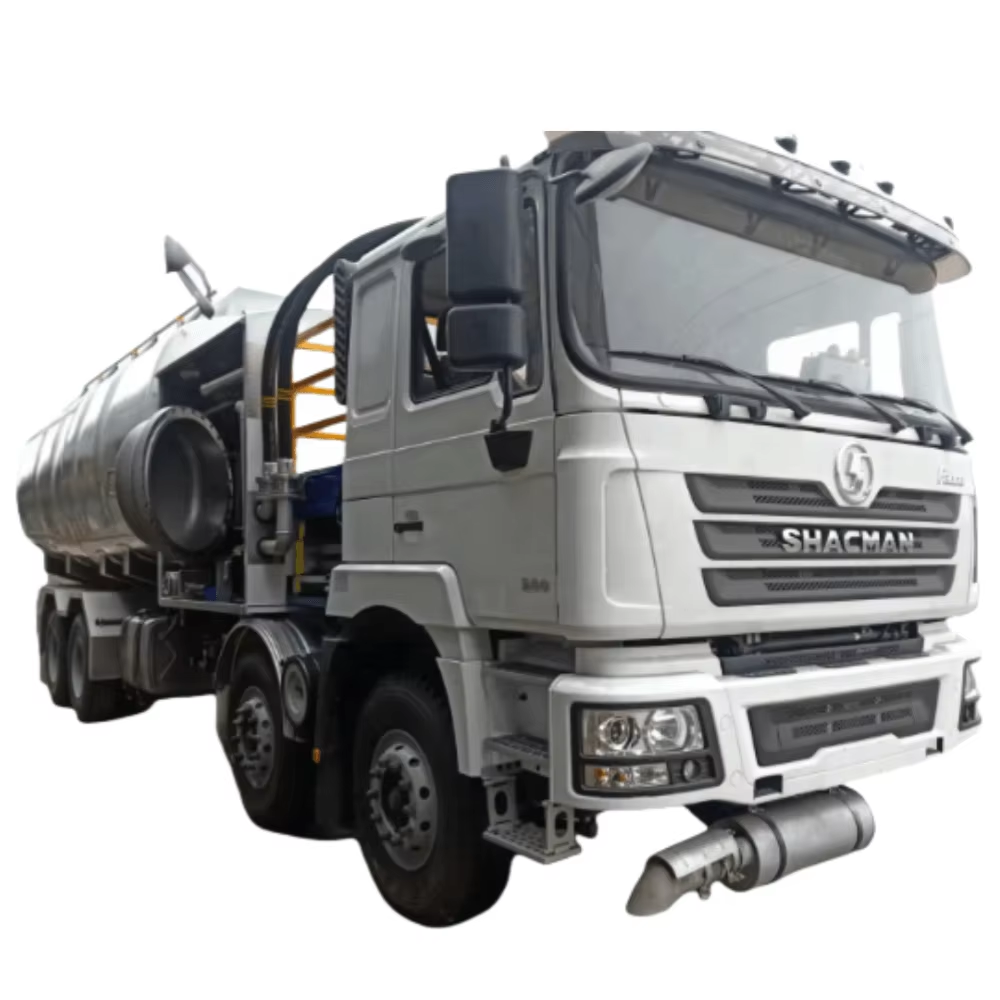
What Is a Helicopter Refueling Truck and Why It’s Critical for Aviation Operations
Helicopter refueling trucks are special mobile units built specifically to get fuel to rotary wing aircraft in a safe and efficient manner. These trucks need to be agile on the ground since they often operate in tight spaces around helicopters. They come equipped with pumps that won't spark fires, proper grounding systems that meet safety standards, and several layers of filters to keep contaminants out of the fuel - all essential protections when dealing with flammable liquids. Without these specialized trucks, things get really backed up on the tarmac. The FAA's latest aviation operations report shows something interesting: about one third of flight delays that aren't caused by bad weather actually come down to problems with ground services, and refueling issues rank right up there as a major culprit.
When it comes to emergency medical services, getting those air ambulances back in the sky fast matters a lot. Quick refueling cuts down ground time to less than five minutes, which makes all the difference for patients needing urgent care. Military units find these refuelers indispensable too, particularly during special ops missions or when deployed far from established bases. The vehicles keep operations going strong even when there's no proper fuel infrastructure available. These trucks handle several different fuels like Jet A, JP-5, and Avgas while keeping track of measurements accurately. They follow both FAA and EASA safety rules religiously, so aircraft can stay ready whether flying commercially, militarily, or somewhere in between. This capability ensures that planes remain operational across various aviation sectors despite differing requirements and conditions.
Key Design Features and Safety Systems of Modern Helicopter Refueling Trucks
Modern helicopter refueling trucks integrate layered engineering solutions to eliminate ignition risks and preserve fuel integrity. Every system is purpose-built to manage the unique volatility, static sensitivity, and cleanliness demands of aviation fuels.
Explosion-Proof Pumps and Grounding Mechanisms
Explosion proof pumps have these special sealed motors inside them that stop any sparks or heat from getting out and causing problems with nearby fuel vapors. At the same time, there are grounding systems throughout the equipment that get rid of static electricity buildup right before anyone connects a fuel nozzle. According to FAA rules, workers need to check that all electrical connections have less than 10 ohms of resistance. This matters because when static discharge stays below 0.03 joules, it's not enough to light up aviation fuels. The combination of these two safety measures isn't optional at all for places where refueling operations happen regularly, especially around aircraft where even small mistakes can lead to major disasters.
Fuel Metering, Filtration, and Contamination Control
Precision metering systems can handle flow rates between 300 and 600 liters per minute with an accuracy range of plus or minus 0.5 percent. This makes them really good for fast fuel deliveries that need to be tracked and verified. The filtration system has multiple stages that catch particles as small as 3 microns in size. These meet those strict ISO 18/16/13 standards that are required for keeping turbine engines running properly. For water separation, special filters with hydrophobic materials help combine tiny water droplets together. There are also sensors that monitor contamination levels in real time. If water content goes above 15 parts per million, which is what's considered safe in aviation, the system will automatically stop fuel transfer. Regular maintenance includes checking filter integrity every day and calibrating equipment once a quarter. This routine helps keep things reliable and prevents engine problems from fuel impurities when planes are taking off or hovering.
Operational Requirements: Fuel Types, Flow Rates, and Compatibility with Helicopter Models
Jet A, JP-5, and Avgas Support Across Military and Civilian Fleets
Refueling trucks for helicopters must handle diverse aircraft types that need separate fuel storage. Most civilian turbine helicopters run on Jet A fuel, think models like the Bell 407 and Airbus H135. The U.S. Navy and NATO ships stick with JP-5 because it has a higher flash point and contains additives that fight corrosion. For piston engines found in helicopters such as the Robinson R44 and Schweizer 300, Avgas is required instead. Mixing these different fuels even slightly can lead to complete engine failure down the road. That's why aviation quality pumps come equipped with specific seal materials. Viton works best for JP-5 applications, whereas Buna-N seals are needed when handling Avgas. These specialized components stop fuel mixing and maintain proper certification standards no matter where operations take place.
Flow Rate Optimization for Rapid Turnaround (e.g., 300–600 L/min)
The range of 300 to 600 liters per minute isn't just about numbers on paper these days it's actually something that makes or breaks operations in the field. Take air ambulances for instance most units equipped with around 500 L/min systems can get back in service under five minutes after landing which means they can handle way more missions throughout the day. For military operations things get even tighter when refueling at 600 L/min allows special forces teams to move in and out quickly during critical situations where timing literally determines success or failure. Regular maintenance matters too regulations from FAA and EASA demand flow calibration every three months to keep those systems accurate within half a percent either way this ensures everything stays compliant and fuel records remain trustworthy. And let's not forget what happens when flow drops below 200 L/min crews end up spending 18% more on labor costs plus precious time gets wasted waiting for equipment to catch up all while mission deadlines tick away.
Regulatory Compliance, Maintenance Protocols, and Lifecycle Management
Running those big helicopter refueling trucks means sticking closely to international aviation safety standards like FAA Part 139, EASA CS-25, and MIL-STD-810F. The certification process checks if the equipment has proper explosion proofing, works well when grounded, contains spills effectively, and has backup systems for emergencies. Getting this right isn't just paperwork. If something goes wrong, operators face serious trouble from regulators. A single citation could cost over $50k each time it happens, and worse still, entire fleets might get grounded until everything gets fixed properly. Companies need to keep detailed records of all these safety checks too. Most regulations require rechecking every two years, which adds another layer of administrative work for maintenance teams already dealing with tight schedules.
FAA, EASA, and MIL-STD Certification Requirements
When it comes to third party certification, they check several critical factors including how fast the fire suppression system responds, whether electrical hazards are properly contained, if the structure can handle vibrations and extreme temps, and if fuel stays pure over time. Let's look at some specific standards too. FAA Part 139 covers operations at civilian airports while EASA CS-25 requires things like two emergency shut off points plus constant pressure checks. Then there's MIL STD 810F which tests equipment against harsh conditions ranging from blistering deserts all the way down to freezing Arctic climates. Multinational operations face special challenges though. Take NATO bases for instance where having both certifications isn't just nice to have but actually required by law. A single vehicle needs to satisfy EASA standards regarding fuel cleanliness at the same time it meets those tough U.S. military specs about resisting corrosion.
Preventive Maintenance Schedules and Calibration Intervals
Consistent preventive maintenance is foundational to safety and uptime:
- Daily: Pressure testing of hoses, couplings, and grounding cables
- Weekly: Flow meter calibration to maintain ±0.5% accuracy
- Bi-monthly: Full filter replacement to inhibit microbial growth (e.g., Hormoconis resinae)
- Annually: Pump overhaul and tank ultrasonic inspection for wall integrity
The timing for calibration checks generally follows both ISO 9001 standards and what equipment makers recommend. A recent issue of Aviation Maintenance Quarterly mentioned something interesting about this topic back in 2024. They found that when companies switch from fixing things only when they break down to predicting problems before they happen, it cuts unexpected downtime by around two thirds. Pretty impressive number if you ask me. More and more shops are starting to use digital logbook systems these days too. These smart tools help keep track of all those required inspections, automatically remind folks when something is past due, create reports ready for audits on demand, and even work together with fleet management software so regulators don't show up unannounced with questions nobody wants to answer.
FAQ
What are helicopter refueling trucks used for?
Helicopter refueling trucks are specialized vehicles designed to safely and efficiently refuel rotary wing aircraft, handling different fuel types while adhering to aviation safety standards.
Why are explosion-proof pumps important in refueling trucks?
Explosion-proof pumps ensure that no sparks or heat can ignite nearby fuel vapors, thereby preventing fires during the refueling process.
What fuels do helicopter refueling trucks typically handle?
They handle various types of fuels such as Jet A, JP-5, and Avgas to accommodate different aircraft specifications and operational requirements.
How crucial is flow rate optimization in helicopter refueling trucks?
Flow rate optimization is vital for rapid refueling turnarounds, crucial for operations like emergency medical services and military missions where time efficiency can impact success.
What are the key maintenance schedules for helicopter refueling trucks?
Maintenance includes daily pressure testing, weekly flow meter calibration, bi-monthly filter replacement, and annual pump overhauls to ensure safety and operational efficiency.
Table of Contents
- What Is a Helicopter Refueling Truck and Why It’s Critical for Aviation Operations
- Key Design Features and Safety Systems of Modern Helicopter Refueling Trucks
- Operational Requirements: Fuel Types, Flow Rates, and Compatibility with Helicopter Models
- Regulatory Compliance, Maintenance Protocols, and Lifecycle Management
-
FAQ
- What are helicopter refueling trucks used for?
- Why are explosion-proof pumps important in refueling trucks?
- What fuels do helicopter refueling trucks typically handle?
- How crucial is flow rate optimization in helicopter refueling trucks?
- What are the key maintenance schedules for helicopter refueling trucks?