
 EN
EN
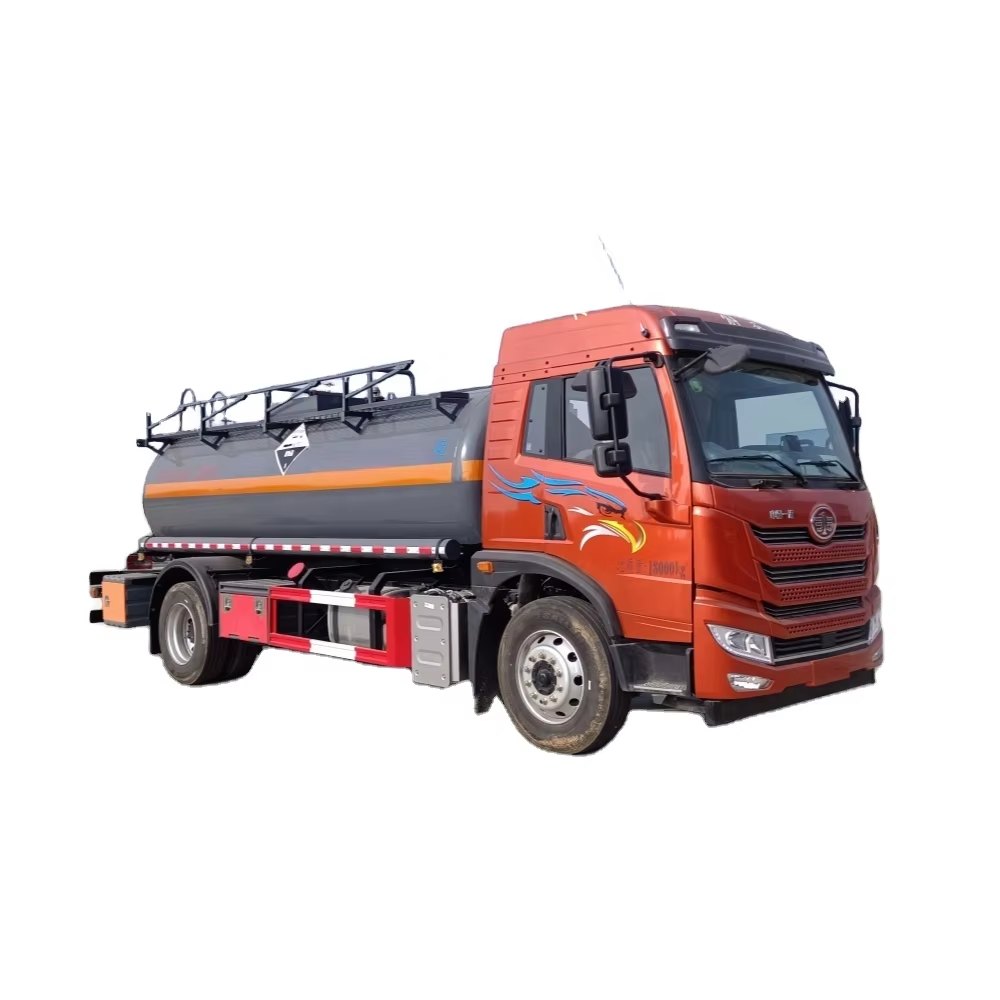
Durability and Performance of 304 Tanker Trucks in Harsh Industrial Environments
Corrosion resistance under extreme chemical and weather conditions
Tanker trucks made from 304 stainless steel stand up really well against corrosion, holding their own even when faced with chloride levels reaching around 500 ppm according to those recent 2023 ASTM tests. The secret lies in the metal's makeup - about 18% chromium mixed with roughly 8% nickel creates this protective oxide layer on the surface that basically fixes itself over time. What makes this so good is how it fights off pitting corrosion, even when temps climb past 150 degrees Fahrenheit or so (which is about 65 Celsius). That's why these trucks work great along coastlines where salt air hangs around, or anywhere there might be acidic fumes floating through the air from industrial processes nearby.
Long-term structural integrity and reduced maintenance costs
The structural stability of these tankers lasts well beyond 100 thousand load cycles because their material has a yield strength around 215 MPa. This is really important when it comes to keeping seals intact despite all the constant vibrations during operation. Looking at what the industry reports show, these tanks need about 62 percent fewer maintenance sessions each year compared to regular carbon steel ones. The numbers get even better when we talk money too. On average, repairs cost roughly $1,200 annually versus nearly triple that amount ($3,200) for those coated steel options out there. Makes sense why so many operators are making the switch nowadays.
Performance benchmarks: 304 stainless steel vs. carbon steel and coated alternatives
A 2024 Material Performance Report evaluated long-term operational costs and durability:
| Material | Average Lifespan | Corrosion Repairs Needed | Total Maintenance Costs |
|---|---|---|---|
| 304 Stainless Steel | 12-15 years | 3-5 incidents | $14,000 - $18,000 |
| Carbon Steel | 6-8 years | 12-18 incidents | $34,000 - $42,000 |
| Polymer-Coated Steel | 8-10 years | 8-12 incidents | $24,000 - $30,000 |
The results highlight 304 stainless steel's superior cost-efficiency in demanding industrial settings, particularly where chemical exposure and thermal cycling accelerate wear.
Critical Applications of 304 Tanker Trucks in Industrial Logistics
Transporting Corrosive Chemicals in Industrial Processing
Tanker trucks made from 304 stainless steel handle some pretty harsh stuff on the road these days. Think sulfuric acid and those nasty chlorinated solvents that eat through regular materials. The secret lies in their special chromium-nickel mix which stands up to corrosion much better than plain old carbon steel. Some tests showed around 58% improvement against pitting damage last year when the industry published their latest materials report. What does this mean practically? These trucks can safely carry all sorts of reactive chemicals without leaking or breaking down, something absolutely critical for companies working with metals or running chemical plants. Even after months of sitting in corrosive conditions, the tanks stay intact and functional.
Safe Delivery of Food-Grade and Pharmaceutical Liquids
Stainless steel grade 304 has that non-reactive surface which actually meets those FDA 21 CFR standards for stuff that touches food. Tests show it cuts down on microbes by around 90% compared to those polymer lined tanks people sometimes use. The inside of these tanks stays really smooth and doesn't react with anything, so they work great for transporting delicate products such as milk products, vaccines, and even insulin. Most important thing? Keeping things cool between about 35 and 45 degrees Fahrenheit, something regular storage containers just can't handle reliably. Some companies have had problems with other materials leaching into their products, but not with proper stainless steel setup.
Role in Energy and Petrochemical Supply Chains
304 tanker trucks transport 62% of regionally distributed fuels such as biodiesel and liquid natural gas derivatives. The alloy's broad thermal stability—from -40°F to 1,200°F—prevents degradation under extreme conditions. Pressurized designs support reliable transfers between refineries and power plants, maintaining supply chain resilience during adverse weather.
Compliance with FDA, ASME, and DOT Standards for Liquid Transport
Manufacturers ensure compliance through standardized testing protocols:
| Standard | Focus Area | Verification Method |
|---|---|---|
| FDA 21 CFR | Material inertness | Surface smoothness testing |
| ASME BPVC | Pressure vessel integrity | Hydrostatic stress analysis |
| DOT 412 | Collision safety | Rollover simulation trials |
This multi-layered approach has been linked to an 84% reduction in regulatory violations in hazardous material logistics, based on 2023 Transport Safety Insights.
304 Tanker Trucks in Construction Sector Operations
Efficient Transport of Water, Cement Slurry, and Admixtures
On construction sites across the country, 304 stainless steel tankers transport water, cement slurry, and various chemical mixtures without messing with what's inside thanks to those inert surfaces. The tanks are built with seamless welds and super smooth interiors which means stuff comes out fast when needed most during concrete pours. According to research from Construction Materials Journal back in 2023, these steel beasts can carry around 30 percent more weight compared to similar aluminum models. That extra capacity cuts down on how often drivers need to return to batching facilities, saving both time and money on projects where every minute counts against tight deadlines.
Resisting Corrosion and Wear on Dynamic Construction Sites
Equipment on construction sites gets hit hard by deicing salts, gritty dust kicked up during work, and those harsh acidic curing agents used throughout the process. Stainless steel grade 304 contains around 18 to 20 percent chromium which creates this protective oxide layer over time. This natural defense system helps fight off corrosion problems that plague regular carbon steel equipment. According to research published by NACE International back in 2022, this means repair bills drop roughly 60% when using stainless instead of standard steel options. Tank skirts made stronger and valves designed to withstand impacts offer extra protection too. These features really matter since machinery constantly gets moved around at construction sites where bumps and scrapes are practically inevitable.
Case Study: Deployment in Large-Scale Infrastructure Projects
Looking at bridge building operations along six different coastlines back in 2023, researchers noticed something interesting about those 304 tanker trucks. They kept running at around 93% efficiency even though they were constantly exposed to salty ocean air, which is pretty impressive when compared to the polymer-coated ones that needed maintenance every single week. Construction crews actually saw about 40 percent fewer late deliveries compared to what happened before when they used regular carbon steel tanks. And this difference really mattered because getting materials on time meant each stage of construction could move forward without unnecessary waiting periods. Given all this, it's no surprise why contractors prefer these 304 models for long term infrastructure work that might last anywhere from five to seven years.
Engineering and Design Innovations in 304 Stainless Steel Tank Trucks
Safety, Compliance, and Structural Design Standards
When it comes to building those 304 stainless steel tanker trucks, manufacturers have to stick pretty close to the rules laid out by ASME BPVC and DOT standards. These guidelines make sure the tanks can handle whatever temperature extremes they might face, from bone-chilling cold at -20 degrees Fahrenheit all the way up to scorching heat around 1,000 degrees. What really matters for safety in the long run are those quality welds throughout the structure plus how well the material holds up against internal pressure. Looking at some recent findings from an industry safety report back in 2023, companies switching to this grade of stainless steel saw their maintenance bills drop somewhere between 15 and 20 percent compared to regular carbon steel tanks that need coatings. The reason? Simply put, 304 stainless just doesn't corrode as easily which means fewer repairs down the road.
Modern Design Enhancements for Efficiency and Payload Optimization
Today's 304 tanker designs feature precision-engineered compartments and elliptical cross-sections to maximize payload while minimizing weight. Advanced baffle systems reduce liquid sloshing by 40%, improving vehicle stability. Integrated telematics allow real-time monitoring of tank pressure, temperature, and location—especially valuable for pharmaceutical and food-grade shipments.
| Innovation | Traditional Design | Modern 304 Stainless Steel Improvement |
|---|---|---|
| Compartmentalization | Single bulkhead divisions | Laser-cut multi-chamber systems |
| Discharge Efficiency | Manual valve operation | Automated pneumatic controls |
| Corrosion Prevention | Epoxy-coated interiors | Homogeneous chromium oxide layer |
| Weight-to-Payload Ratio | 1:2.5 (steel) | 1:3.8 (304 stainless) |
These engineering advances solidify 304 stainless steel tanker trucks as the foundation of modern, efficient industrial logistics—merging regulatory compliance with innovative design.
FAQ Section
What makes 304 stainless steel tanker trucks more durable than other materials?
304 stainless steel tanker trucks are more durable because of their corrosion resistance due to the chromium-nickel mix that forms a protective oxide layer, last well over 100,000 load cycles thanks to high yield strength, and result in lower maintenance costs.
How do 304 tanker trucks help in transporting corrosive chemicals safely?
The chromium-nickel mix in 304 stainless steel provides a higher resistance to corrosion which ensures these tanker trucks can carry corrosive chemicals, like sulfuric acid and chlorinated solvents, without leaking or breakdown.
Why are 304 stainless steel tanker trucks preferred for food-grade and pharmaceutical transportation?
304 stainless steel meets FDA 21 CFR standards and limits microbial contamination by around 90% compared to polymer-lined tanks, making them ideal for transporting sensitive food-grade and pharmaceutical liquids.
What are the benefits of using 304 stainless steel tanker trucks in construction?
These tankers provide seamless transports with smooth interiors reducing weight and frequency of trips, and they resist corrosion from deicing salts, dust, and acidic agents, lowering repair costs significantly.
Table of Contents
- Durability and Performance of 304 Tanker Trucks in Harsh Industrial Environments
- Critical Applications of 304 Tanker Trucks in Industrial Logistics
- 304 Tanker Trucks in Construction Sector Operations
-
Engineering and Design Innovations in 304 Stainless Steel Tank Trucks
- Safety, Compliance, and Structural Design Standards
- Modern Design Enhancements for Efficiency and Payload Optimization
- FAQ Section
- What makes 304 stainless steel tanker trucks more durable than other materials?
- How do 304 tanker trucks help in transporting corrosive chemicals safely?
- Why are 304 stainless steel tanker trucks preferred for food-grade and pharmaceutical transportation?
- What are the benefits of using 304 stainless steel tanker trucks in construction?