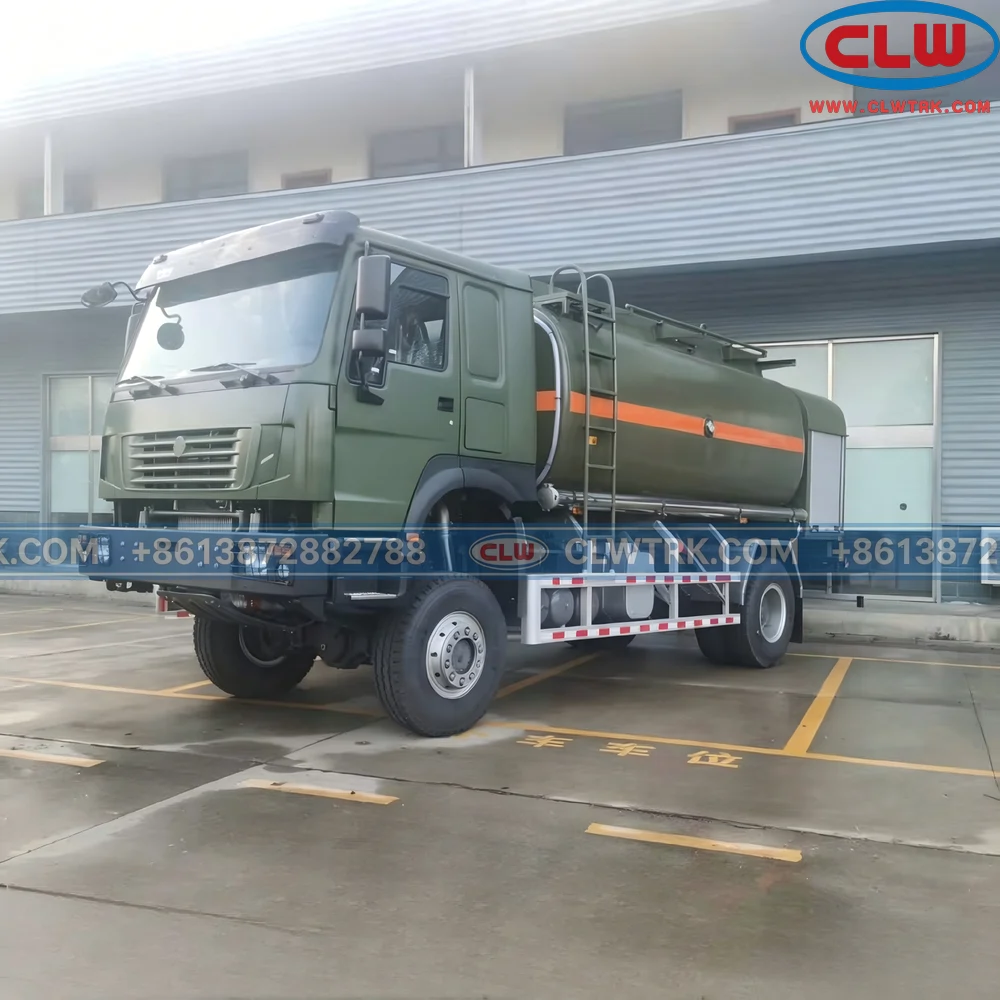
Aircraft Refueler Truck 8-15 CBM 4×2 or 4×4
Premium aviation fuel tanker for regional airports. Reliable factory wholesale featuring certified filtration and advanced safety systems.
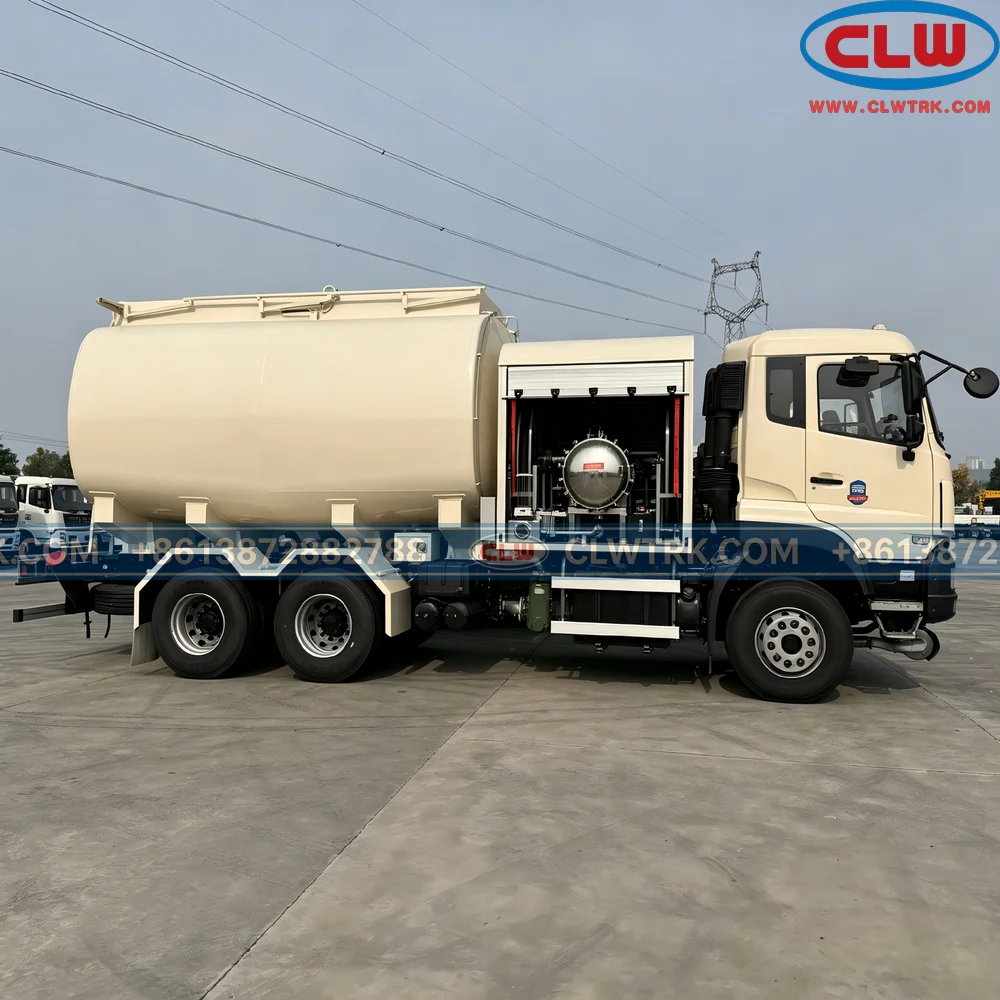
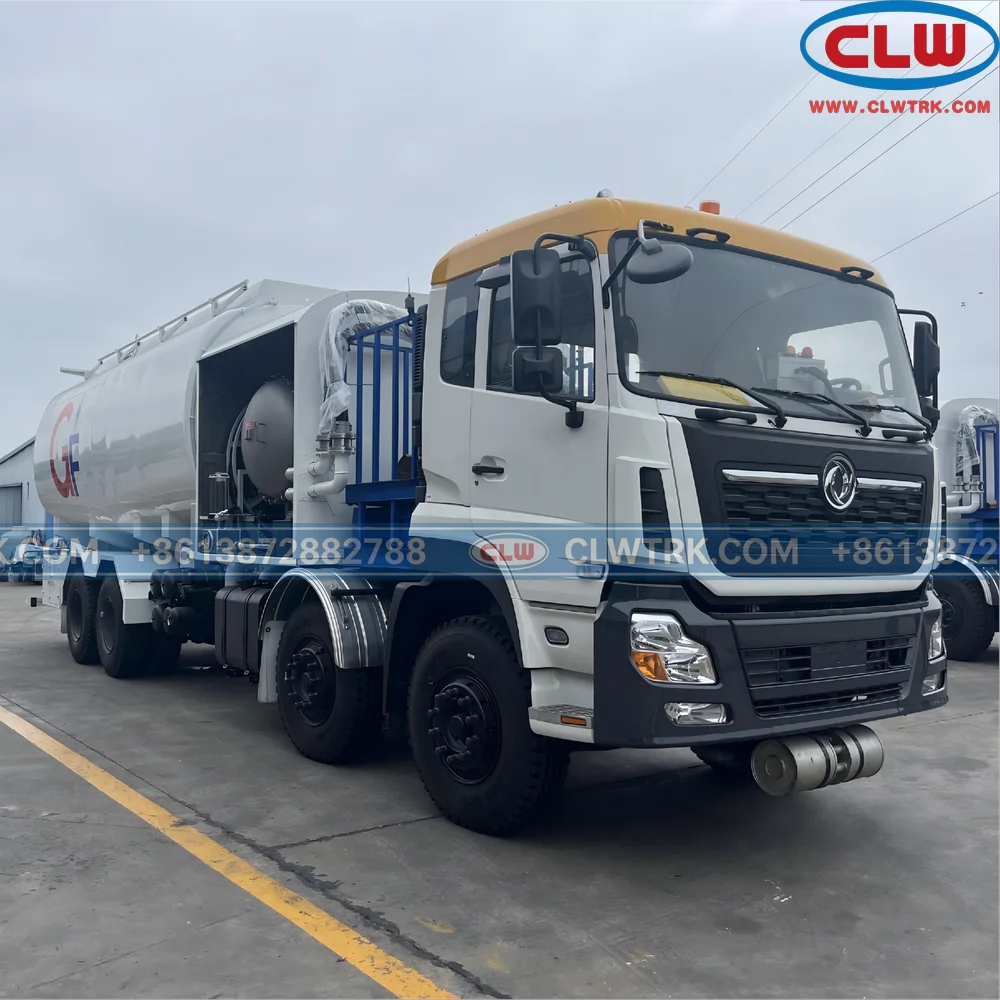
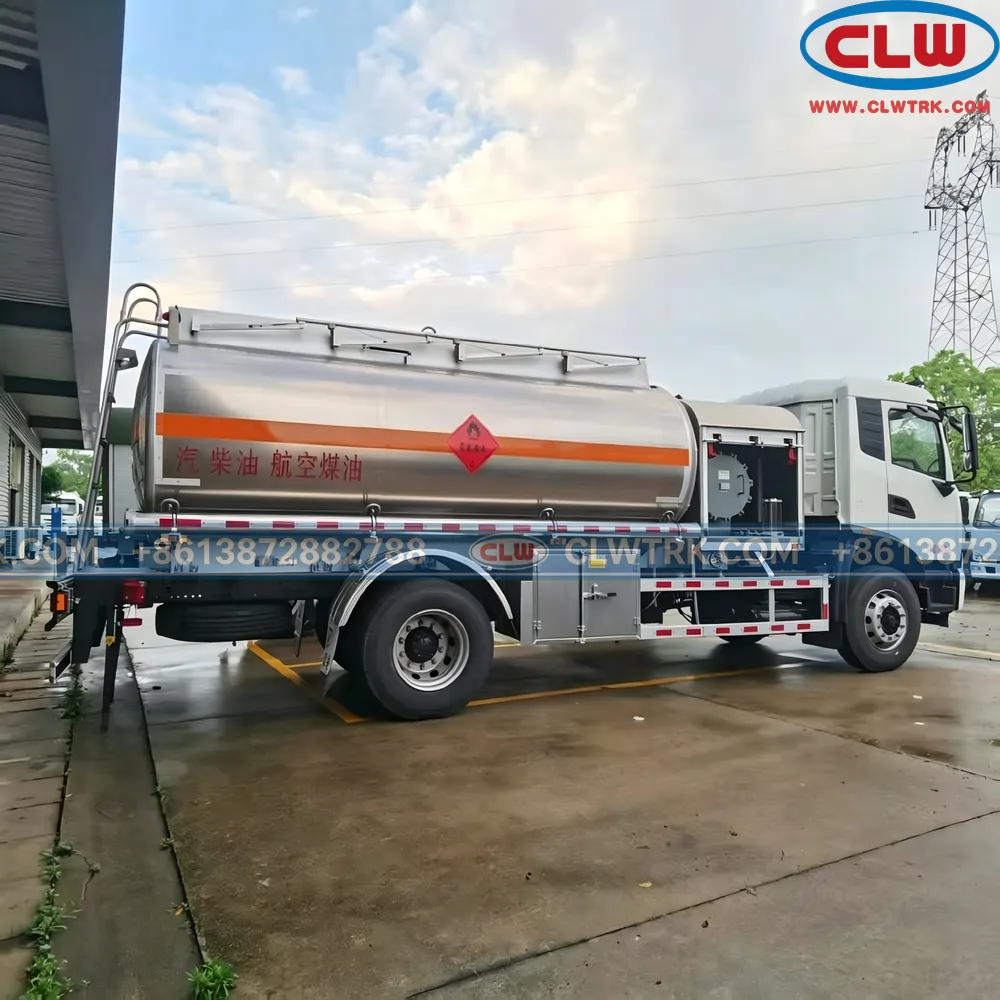
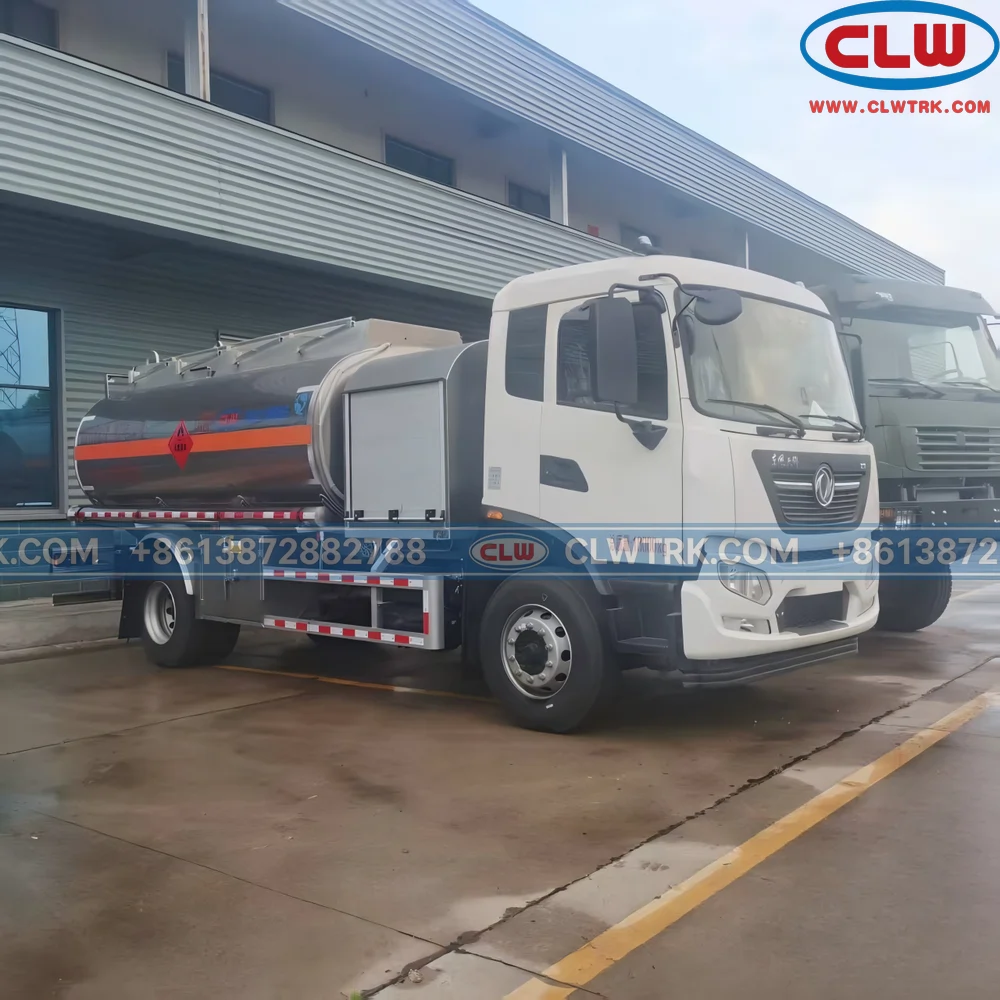
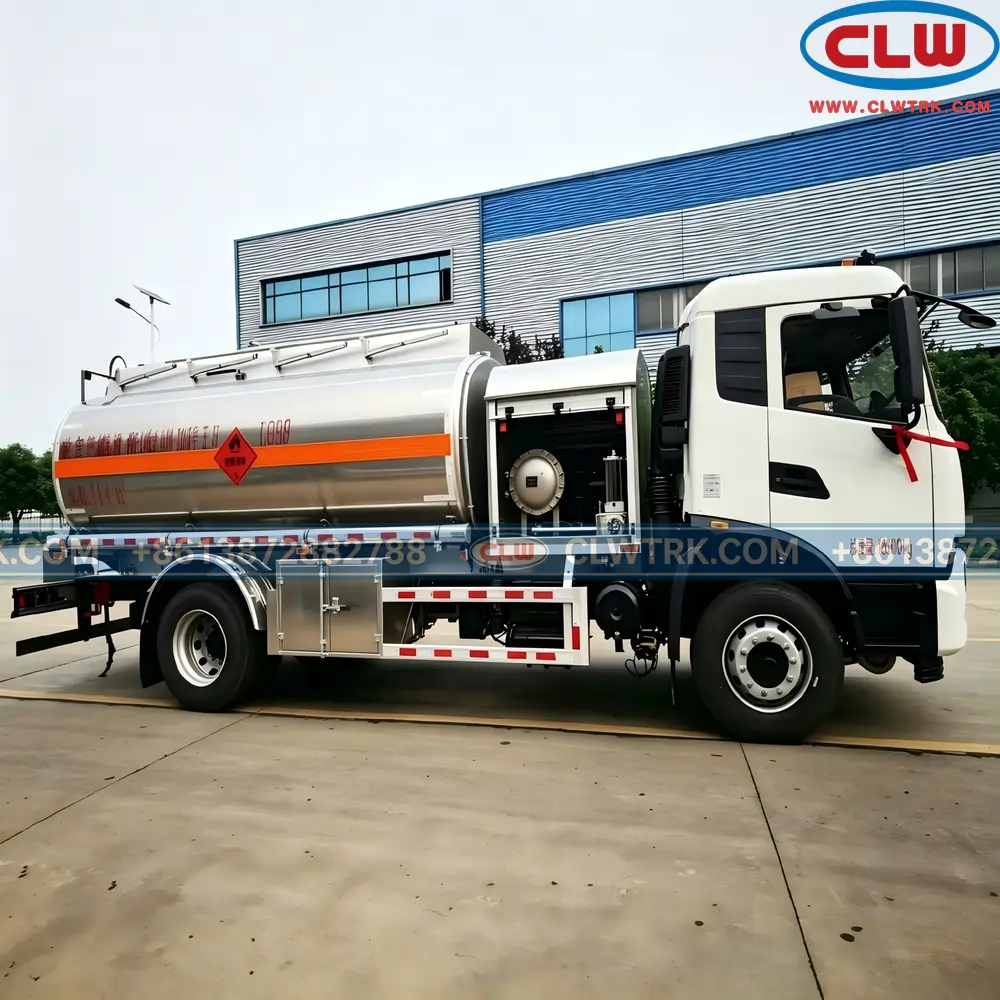
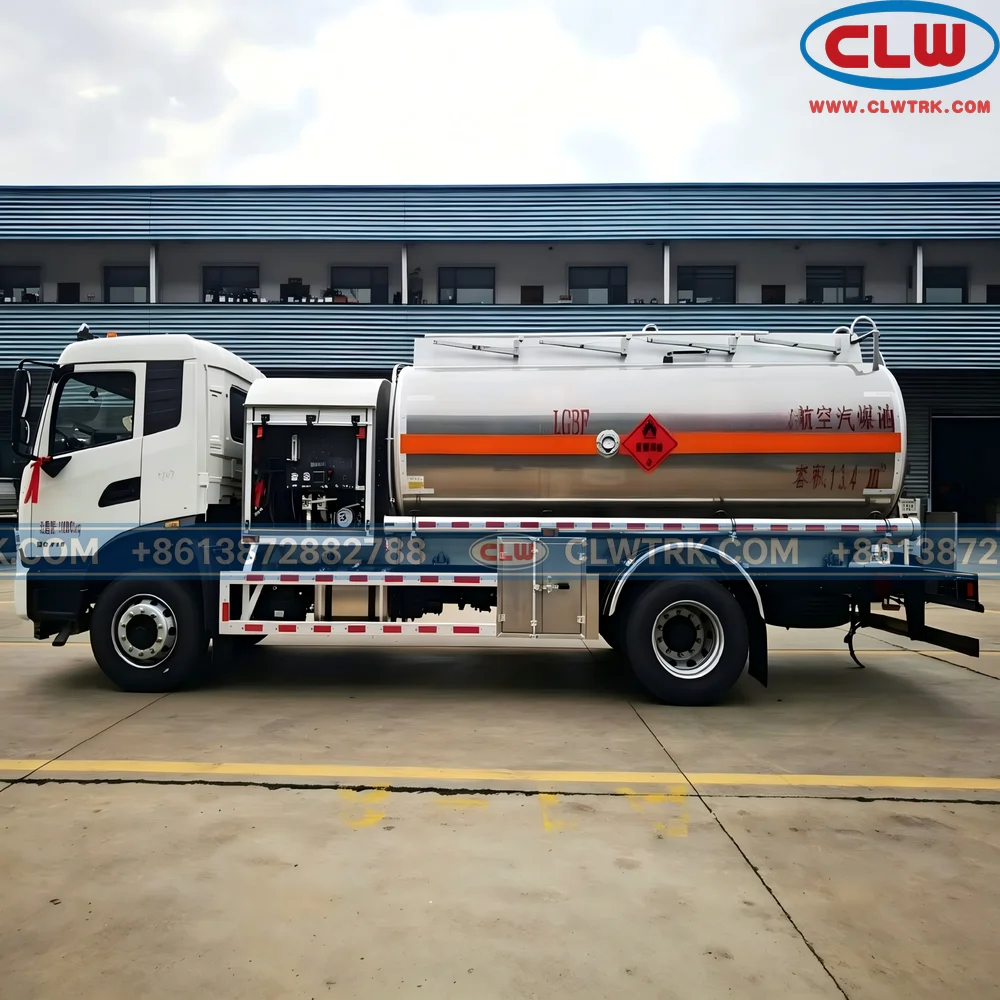
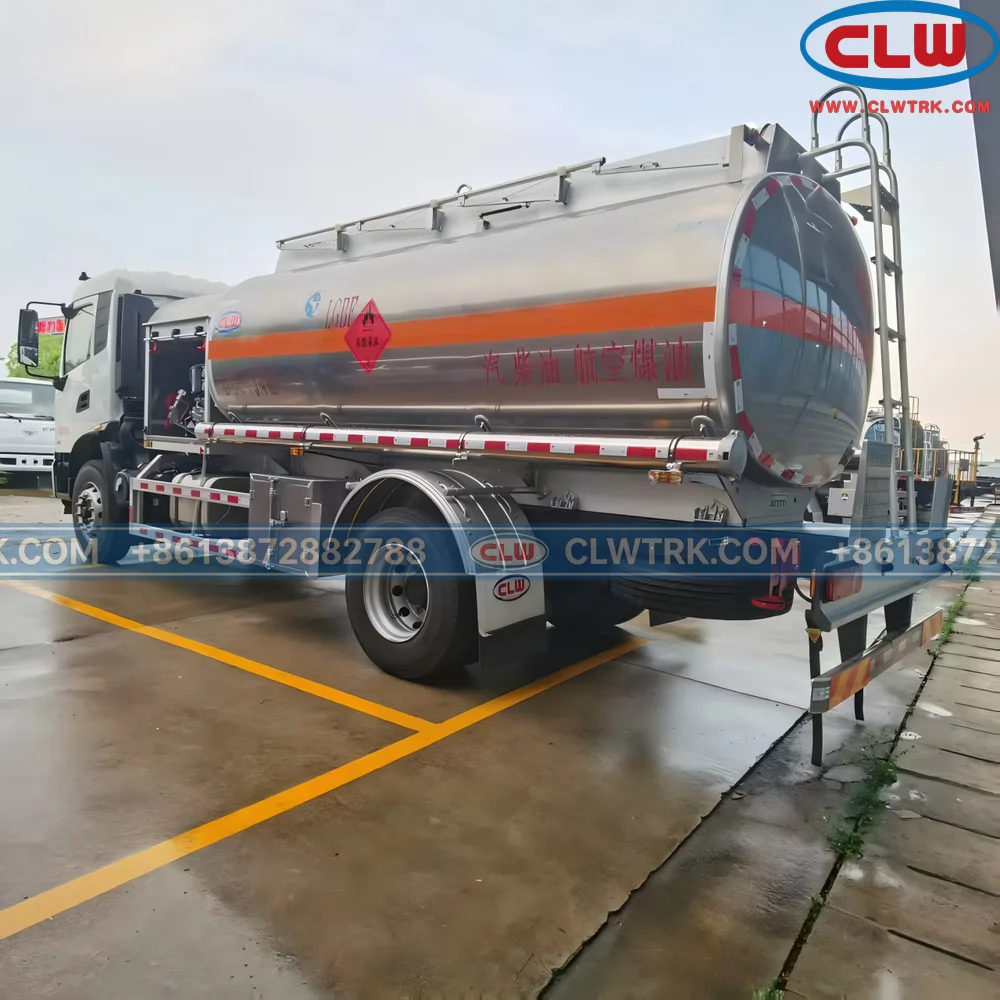
•The 4×2 aircraft refueler truck is a compact aviation fuel service vehicle designed for small airfields, helicopter bases, private aviation facilities, training airports, maintenance bases and regional airport operations. With a typical tank capacity from 8 CBM to 15 CBM, this model provides a practical solution where maneuverability, ground-level refueling and flexible chassis layout are more important than large fuel volume.
•Unlike larger 6×4 or 8×4 aircraft refueler trucks, the 4×2 model is usually selected for shorter routes inside airport areas, lower fuel demand, limited apron space and small aircraft refueling tasks. The main difference is not the aviation refueling principle, but the chassis size, tank capacity, equipment arrangement and operating scenario.
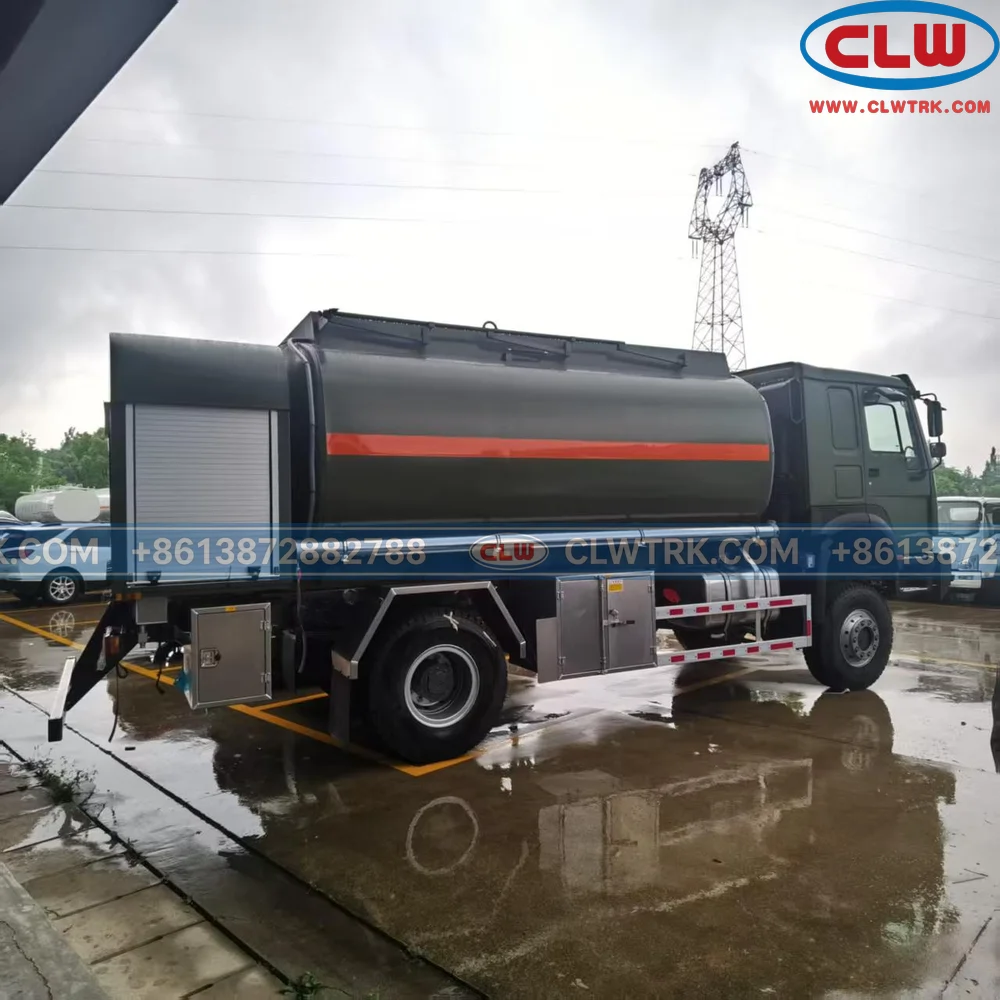
•Most 4×2 aircraft refuelers are built without a lifting platform. For special working conditions, an optional 4×4 aircraft refueler chassis or a rear-mounted equipment compartment can be considered according to airfield road conditions, refueling method and vehicle layout.
Compact Aircraft Refueling Truck for Small Airfields
A 4×2 aircraft refueler truck is often used where a large-capacity airport fuel truck is unnecessary or difficult to operate. Its compact chassis makes it suitable for narrow service roads, small aprons, hangar areas and short-distance aviation fuel delivery.
Typical operating locations include:
•Small and medium airfields
•Regional airports
•Helicopter bases
•Private aviation facilities
•Flying clubs
•Pilot training airports
•Aircraft maintenance bases
•Emergency aviation support stations
•Remote airstrips with limited space
For these working environments, an 8-15 CBM aircraft refueler can provide enough Jet A-1 fuel capacity while keeping the vehicle easier to move, park and maintain.
8-15 CBM Tank Capacity for Flexible Fuel Service
The tank capacity of a 4×2 aircraft refueler is commonly designed between 8 CBM and 15 CBM, depending on chassis payload, wheelbase, tank material, equipment weight and fuel service requirements.
8 CBM Aircraft Refueler
An 8 CBM aircraft refueler truck is suitable for light aviation fuel service, helicopter refueling, private aircraft support and small airfields with limited daily fuel demand. This configuration provides a compact vehicle size and lower overall weight.
10 CBM Aircraft Refueling Truck
A 10 CBM aircraft refueling truck is one of the common choices for small airport fuel service. It offers a balance between usable fuel capacity and 4×2 chassis flexibility, especially for regional airfields and aircraft maintenance bases.
12 CBM Aviation Fuel Truck
A 12 CBM aviation fuel truck provides higher fuel volume while still remaining within the compact refueler category. It is suitable for airfields that require more frequent refueling service but do not need a larger 6×4 chassis.
15 CBM Aircraft Refueler Truck
A 15 CBM aircraft refueler truck is usually the upper range for many 4×2 refueling truck designs. At this capacity, chassis payload, axle load distribution, equipment compartment weight and braking performance should be carefully evaluated before production.
4x2 Chassis Layout and Optional 4x4 Configuration
The 4×2 chassis is the standard platform for this compact aircraft refueler. It is suitable for paved airport roads, apron service, hangar areas and short-distance fuel distribution inside airport facilities.
Standard 4×2 Chassis
•A standard 4×2 aircraft refueler chassis can be selected according to:
•Gross vehicle weight
•Wheelbase
•Front and rear axle load
•Engine power
•Braking system
•PTO availability
•Turning radius
•Tire specification
•Emission standard
•Left-hand drive or right-hand drive requirement
•Local spare parts availability
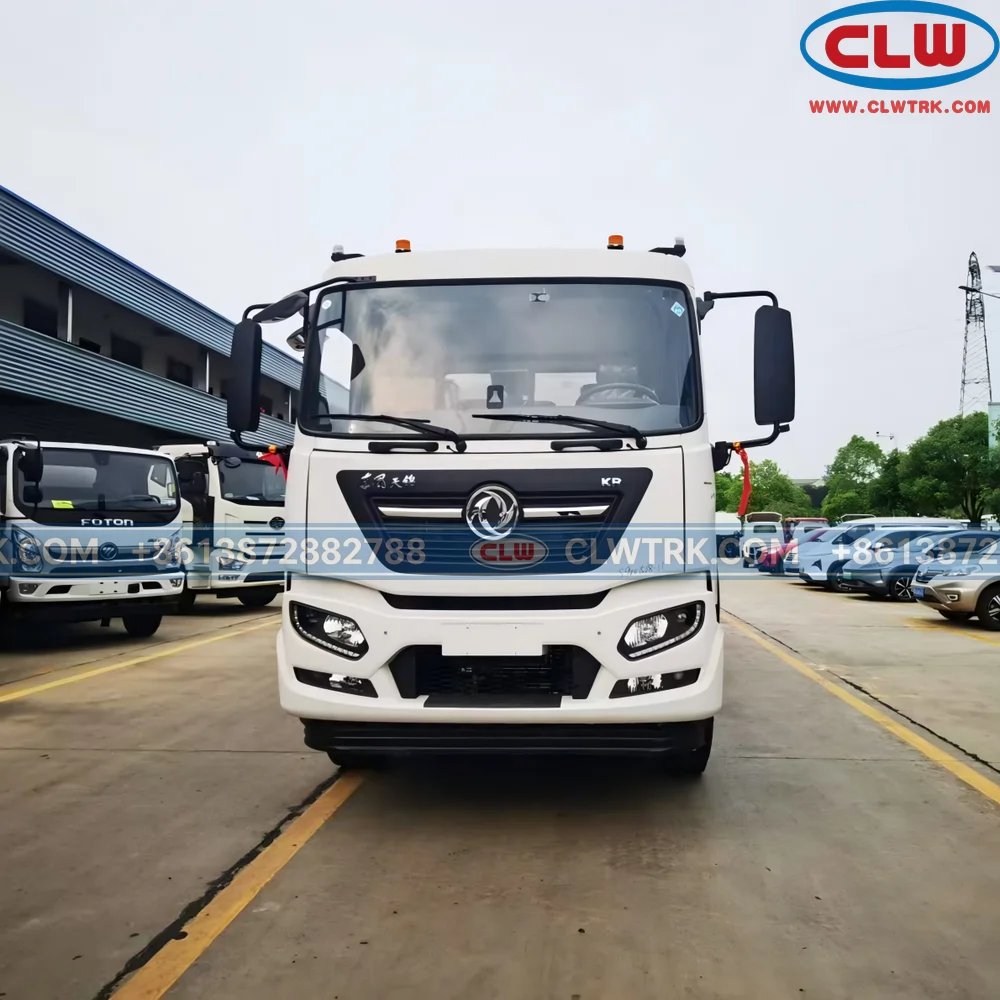
Common chassis options may include ISUZU, Dongfeng, Foton, HOWO, FAW and other brands according to market requirements.
Optional 4×4 Aircraft Refueler Truck
A 4×4 aircraft refueler truck can be considered for rough airfields, remote aviation operations, mountain airports, desert service areas, unpaved roads or emergency fuel support tasks.
Compared with a standard 4×2 chassis, the 4×4 version provides better traction and passability. However, it may also affect vehicle weight, fuel consumption, chassis cost, tank volume and equipment arrangement. Therefore, the 4×4 option should be evaluated according to real working conditions instead of being selected only by capacity.
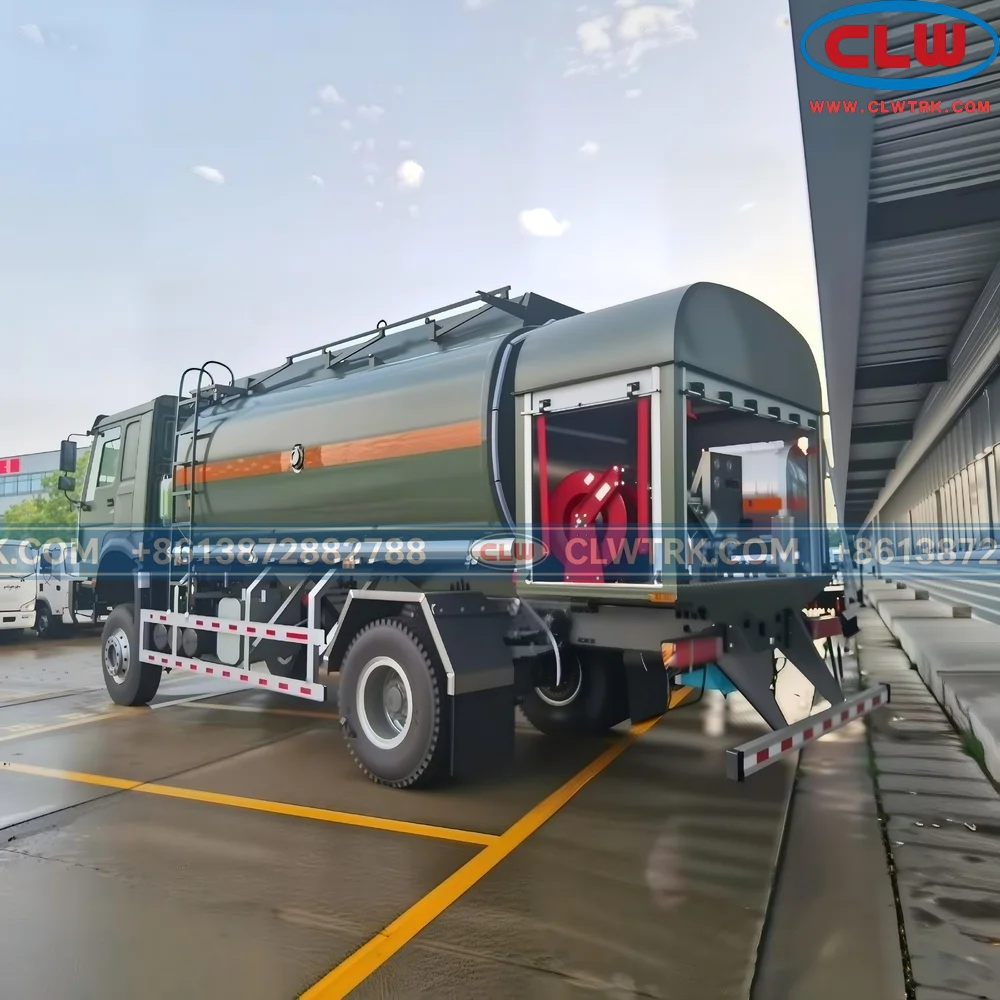
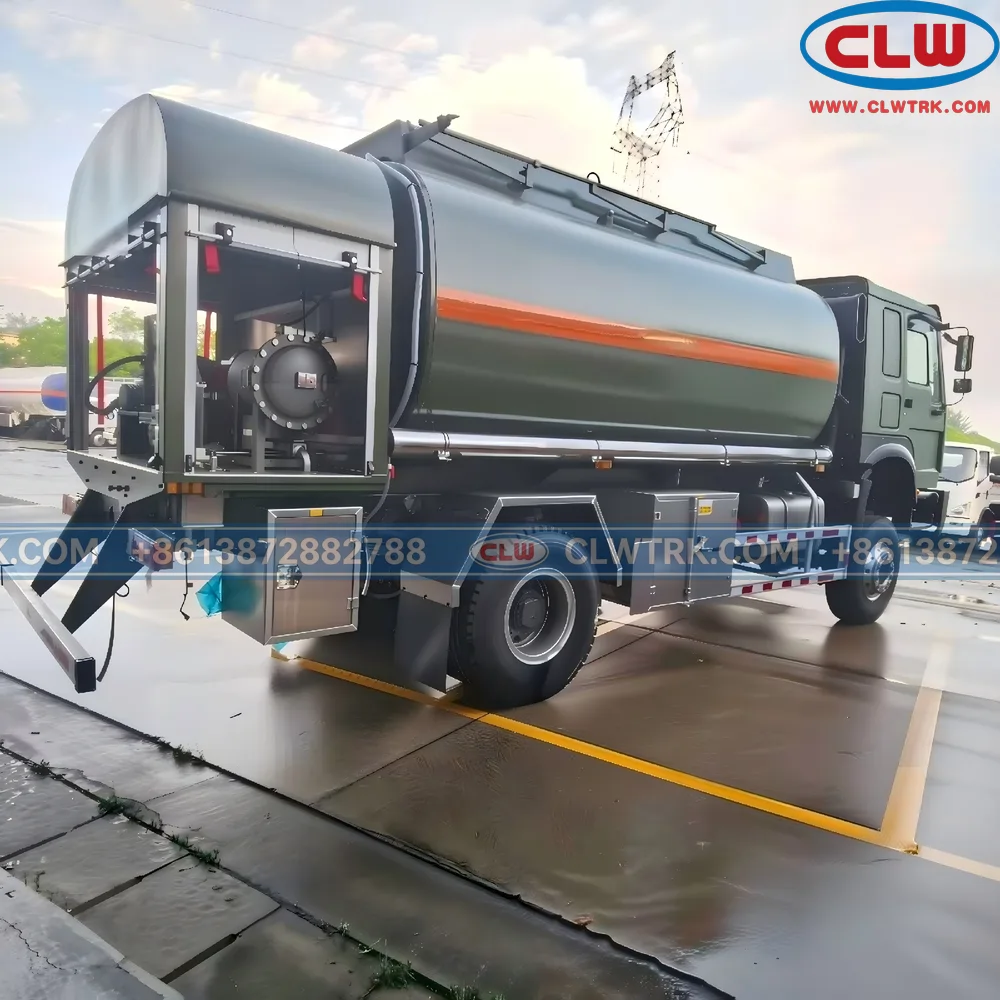
Side-Mounted or Rear-Mounted Equipment Compartment
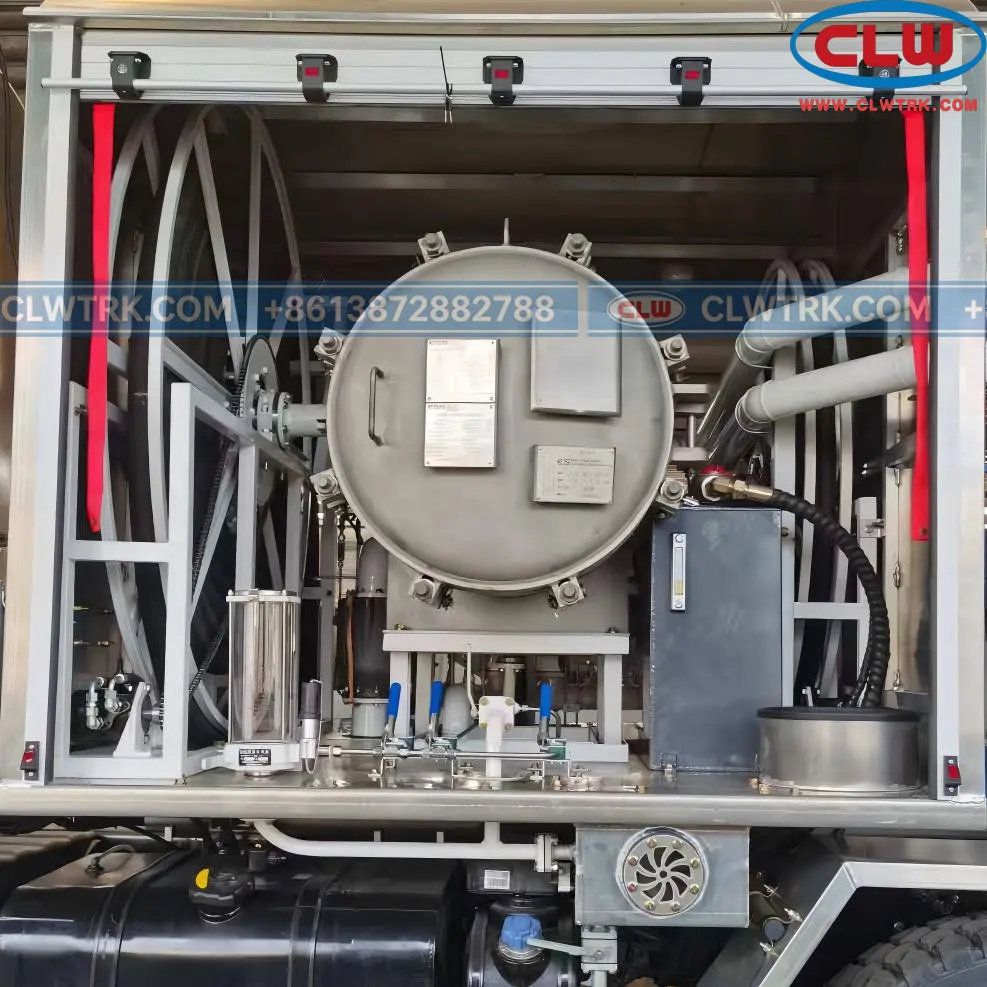
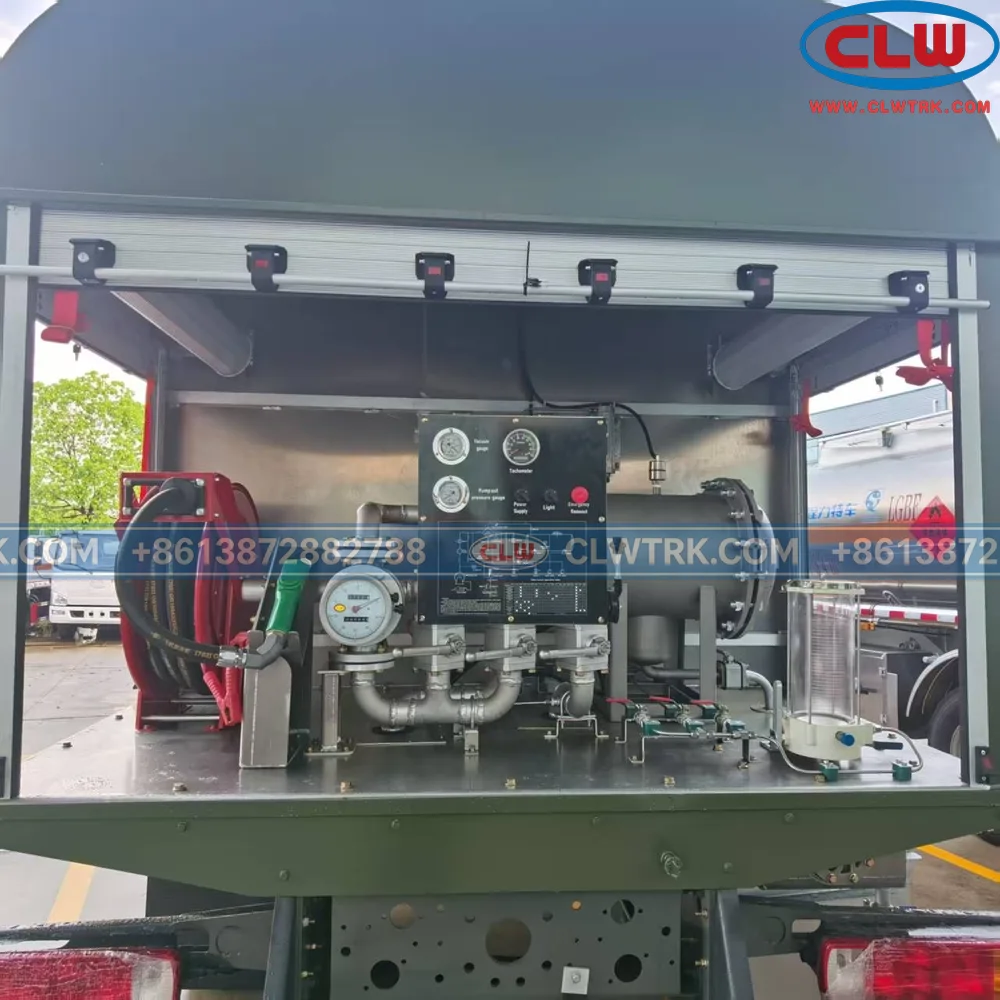
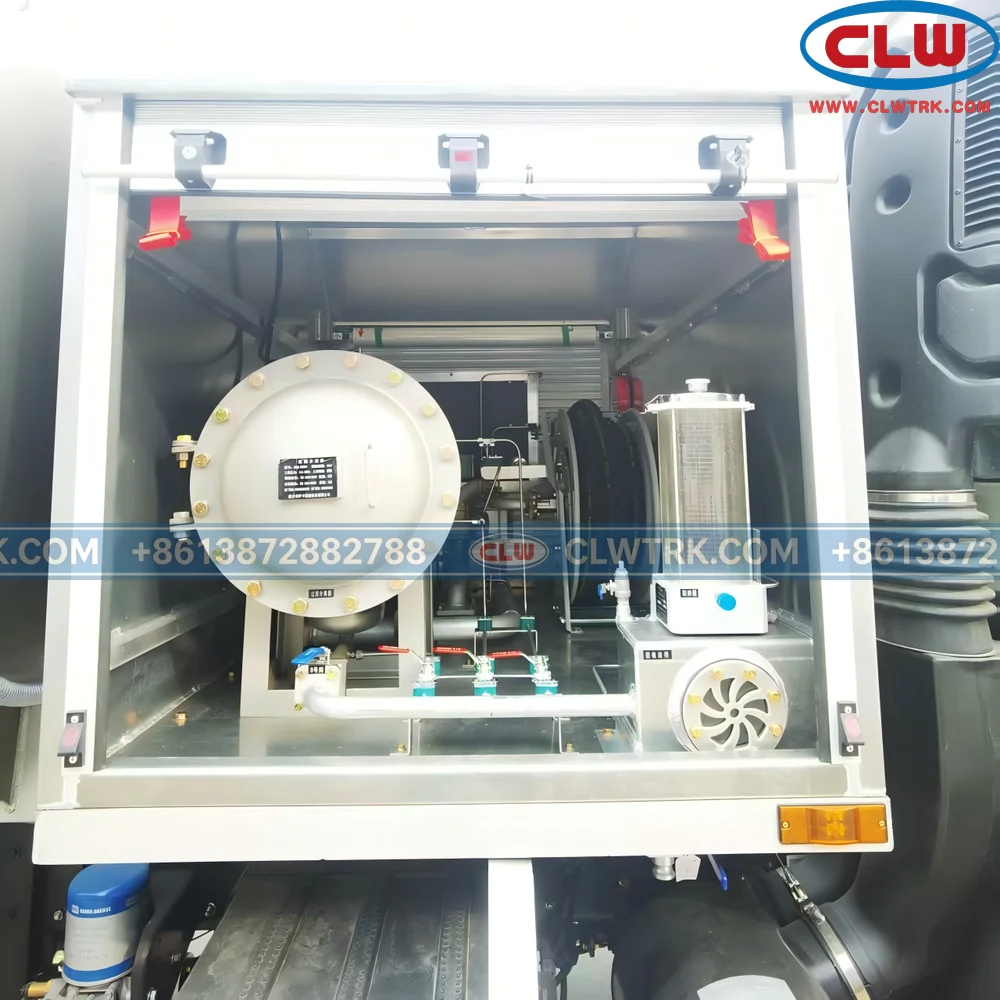
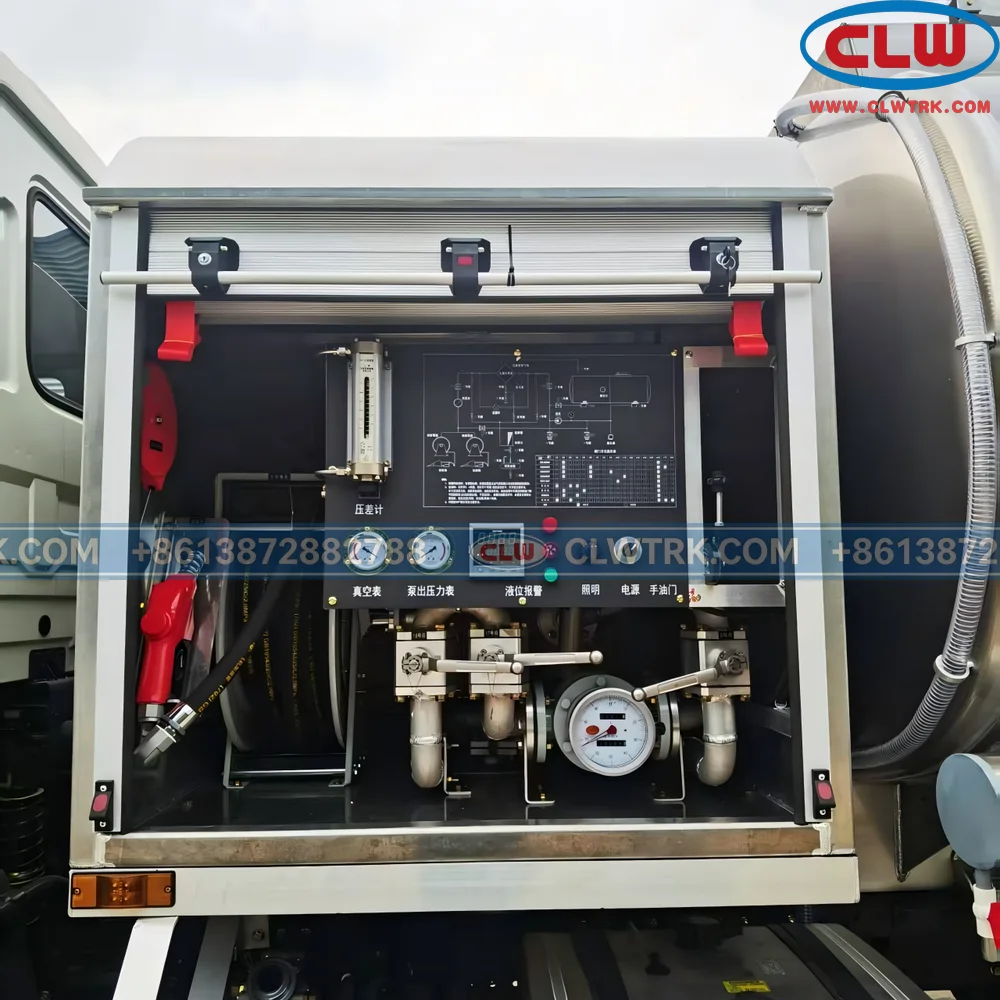
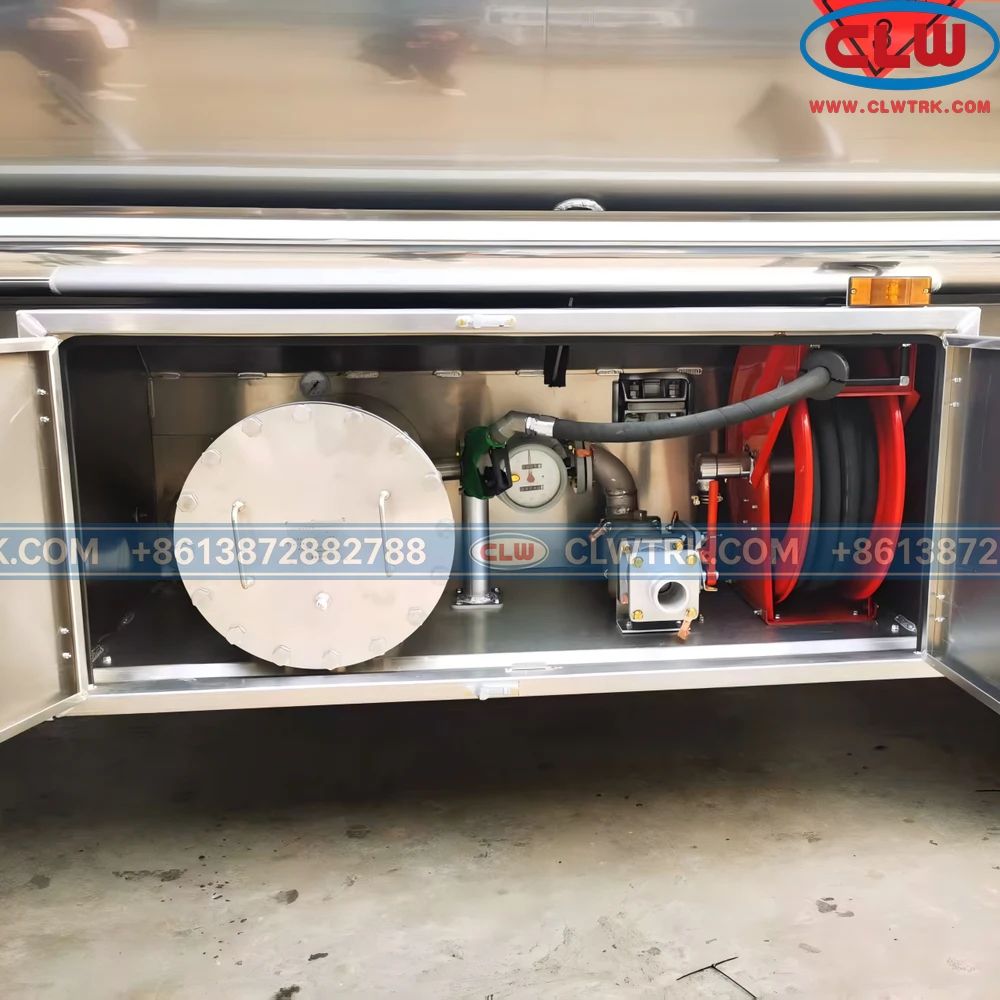
The equipment compartment is one of the main layout differences for a compact aircraft refueler truck. Because the 4×2 chassis has limited installation space, the position of the fuel pump, filter separator, flow meter, valves, hose reel and control panel should be planned together with the tank and chassis structure.
Side-Mounted Equipment Compartment
A side-mounted equipment compartment is commonly used on 4×2 aircraft refuelers. It provides direct access to main operating components and keeps the refueling workflow close to the side of the vehicle.
This layout is suitable for:
•Compact tank design
•Side operation near aircraft
•Easy access to valves and gauges
•Standard airport refueling workflow
•Convenient daily inspection and maintenance
Rear-Mounted Equipment Compartment
A rear-mounted equipment compartment can be selected when the refueling operation is designed around the rear of the vehicle or when side installation space is limited.
A rear-mounted layout may include:
•Rear pump room
•Rear control panel
•Filter separator and meter assembly
•Hose reel near the rear operating area
•Rear access doors or maintenance panels
•Protected pipeline routing
This layout should consider rear overhang, axle load distribution, hose pulling direction, maintenance clearance and safety distance during refueling.
Ground-Level Refueling Without Lifting Platform
Most 4×2 aircraft refueler trucks are not equipped with a lifting platform. This is related to chassis size, payload margin, wheelbase, center of gravity and equipment installation space.
For many small aircraft, helicopters and private aviation operations, refueling can be completed at ground level by using an overwing nozzle, underwing coupler or suitable aviation fuel hose arrangement.
A non-platform layout can help maintain:
•Lower vehicle weight
•Simpler structure
•Better payload control
•Shorter overall vehicle length
•Easier maintenance
•More space for tank and equipment compartment
•Better suitability for compact airport operation
A lifting platform may still be evaluated for special aircraft types, but it requires detailed review of platform height, load capacity, chassis stability, tank size and rear equipment layout.
Aviation Fuel System Configuration
Although the 4×2 aircraft refueler is smaller than 6×4 and 8×4 models, the aviation fuel system can still be configured according to professional refueling requirements. The system is usually arranged around clean fuel delivery, safe operation and accurate fuel measurement.
Filtration, Metering and Fuel Delivery
A typical 4×2 aircraft refueler can include:
•Aviation fuel filter separator
•Mechanical or digital flow meter
•Fuel pump driven by PTO, hydraulic system or independent power unit
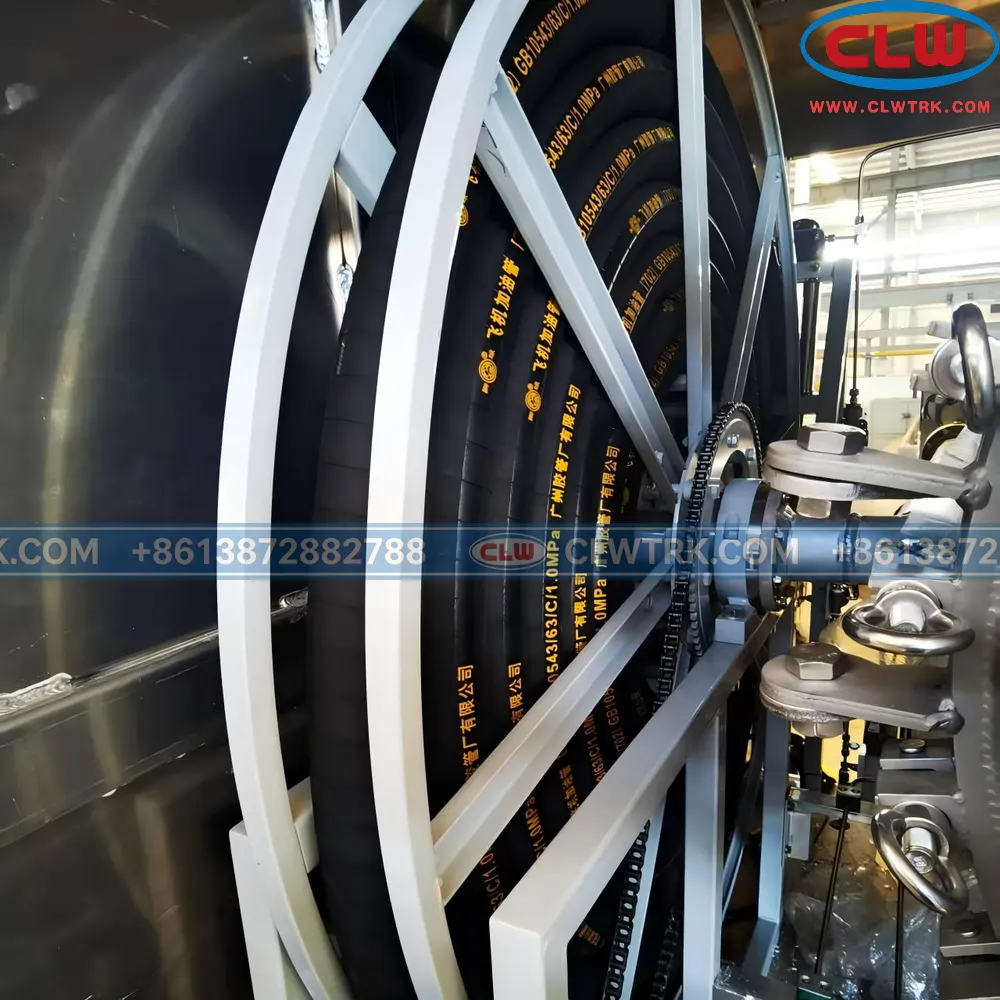
•Manual, electric or hydraulic hose reel
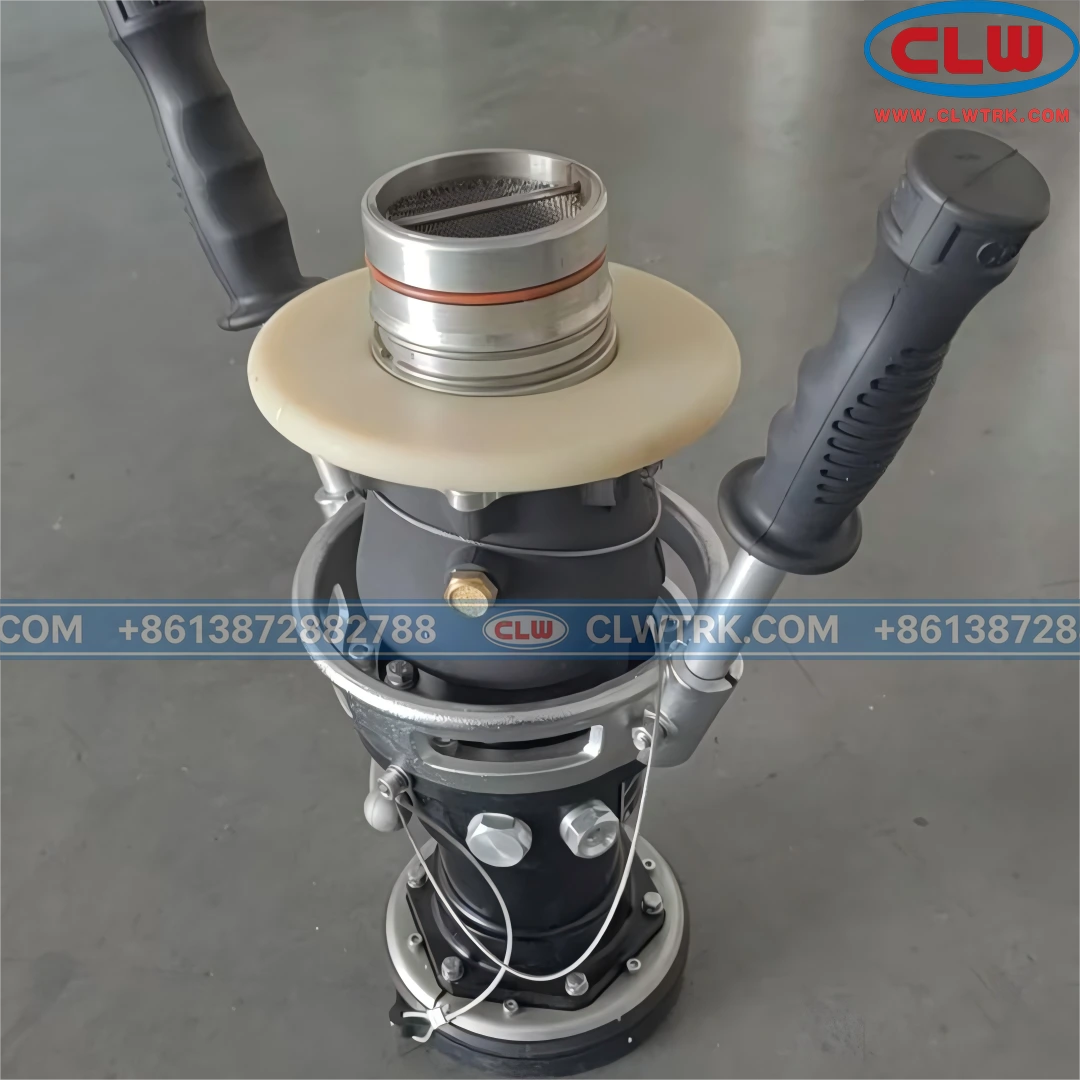
•Underwing refueling coupler
•Overwing refueling nozzle
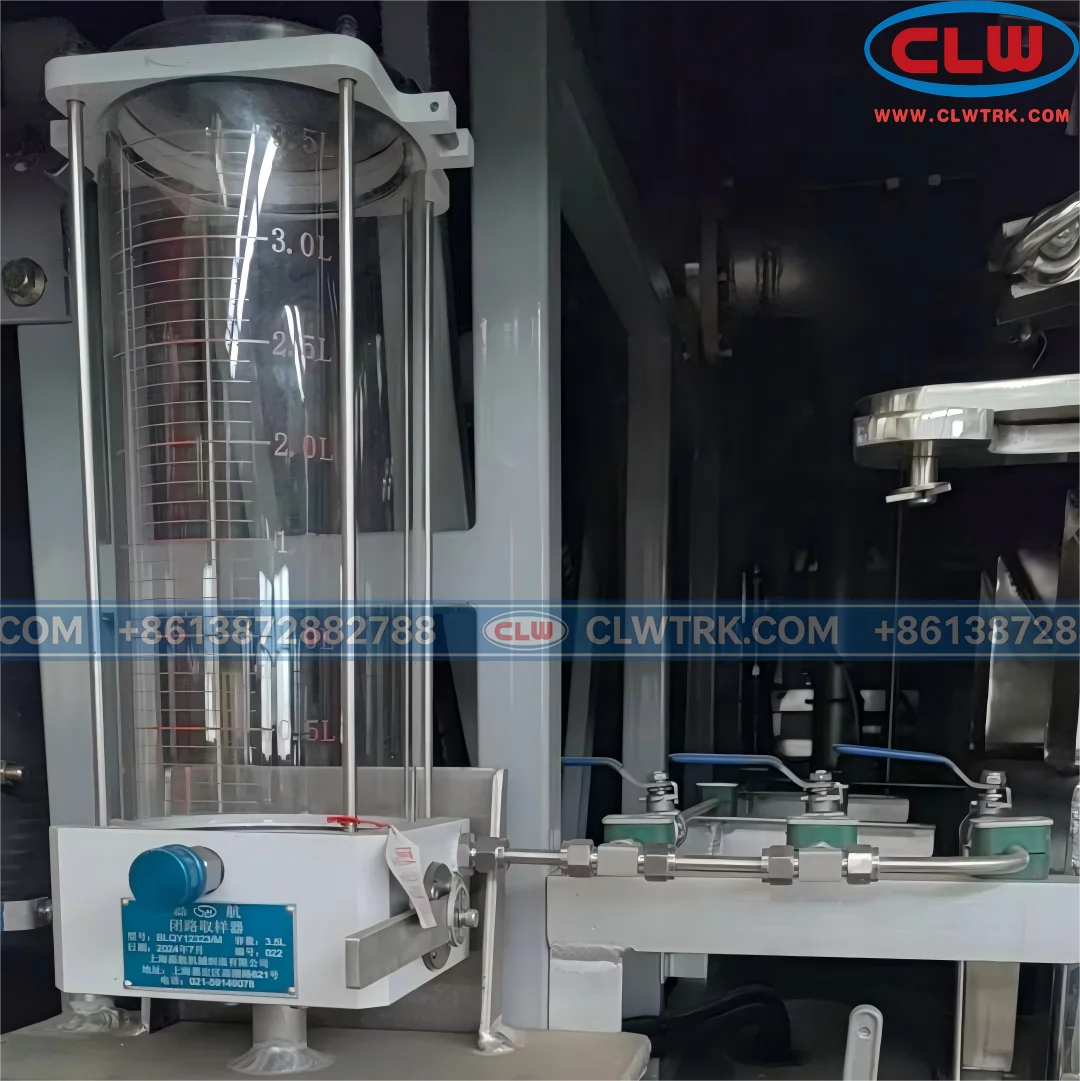
•Fuel sampling point
•Drain point
•Pressure gauges
•Differential pressure gauge if required
The final pump flow rate and filtration configuration should match aircraft type, fueling method, fuel depot requirements and local aviation fuel handling procedures.
Safety and Control Devices
Safety devices can be selected according to airport operation requirements. Common configurations include:
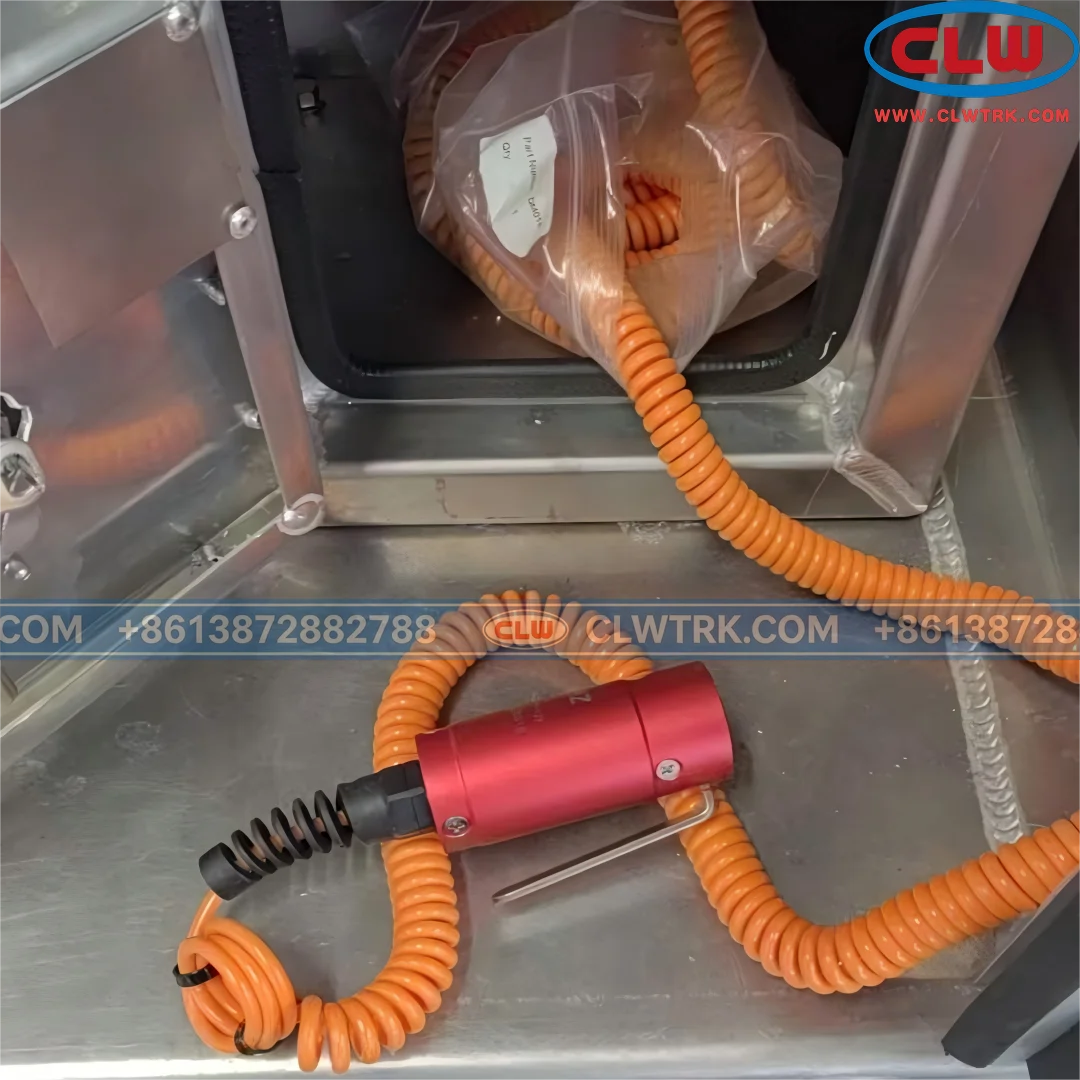
•Static bonding and grounding reel
•Emergency shut-off device
•Deadman control
•Anti-overflow protection
•Bottom loading interlock if required
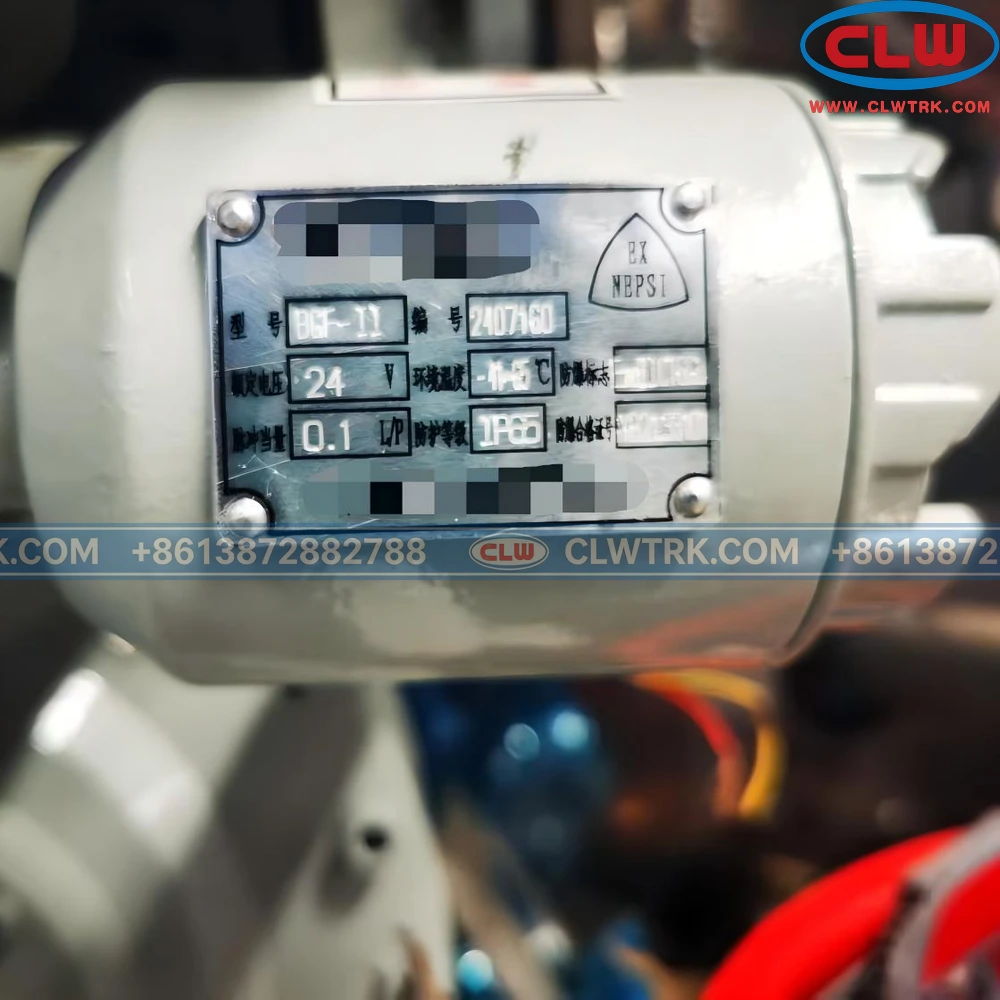
•Explosion-proof electrical components if required
•Fire extinguishers
•Warning labels and reflective markings
•Anti-slip walkway and handrails
For bottom loading operations, an API bottom loading adapter, overfill prevention device and vapor recovery interface can be added according to fuel depot facilities.
Tank Body Design for 4x2 Aircraft Refueler
The tank body of a 4×2 aircraft refueler is designed according to fuel type, chassis payload, tank volume and operating environment. Common tank materials include carbon steel, stainless steel and aluminum alloy.
Tank Material Selection
Tank material can be selected based on fuel compatibility, corrosion resistance, weight control and budget.
•Carbon steel tank with suitable internal treatment
•Stainless steel tank for corrosion resistance and cleanliness
•Aluminum alloy tank for lighter weight and improved payload efficiency
The material selection should also consider local regulations, fuel supplier requirements and long-term maintenance conditions.
Internal Structure and Stability
For a compact 4×2 chassis, tank stability is important during braking, turning and partially loaded driving. The tank can be equipped with internal anti-wave baffles to reduce fuel movement and improve vehicle stability.
Typical tank accessories include:
•Manhole cover
•Internal baffles
•Bottom drain valve
•Pressure-vacuum vent
•Inspection port
•Tank level indicator if required
•Ladder and walkway if required
Climate and Operating Environment Adaptation
The same 4×2 aircraft refueler may require different configurations in different regions. Before production, the operating temperature range, road condition, humidity, dust level and altitude should be confirmed.
Cold Region Operation
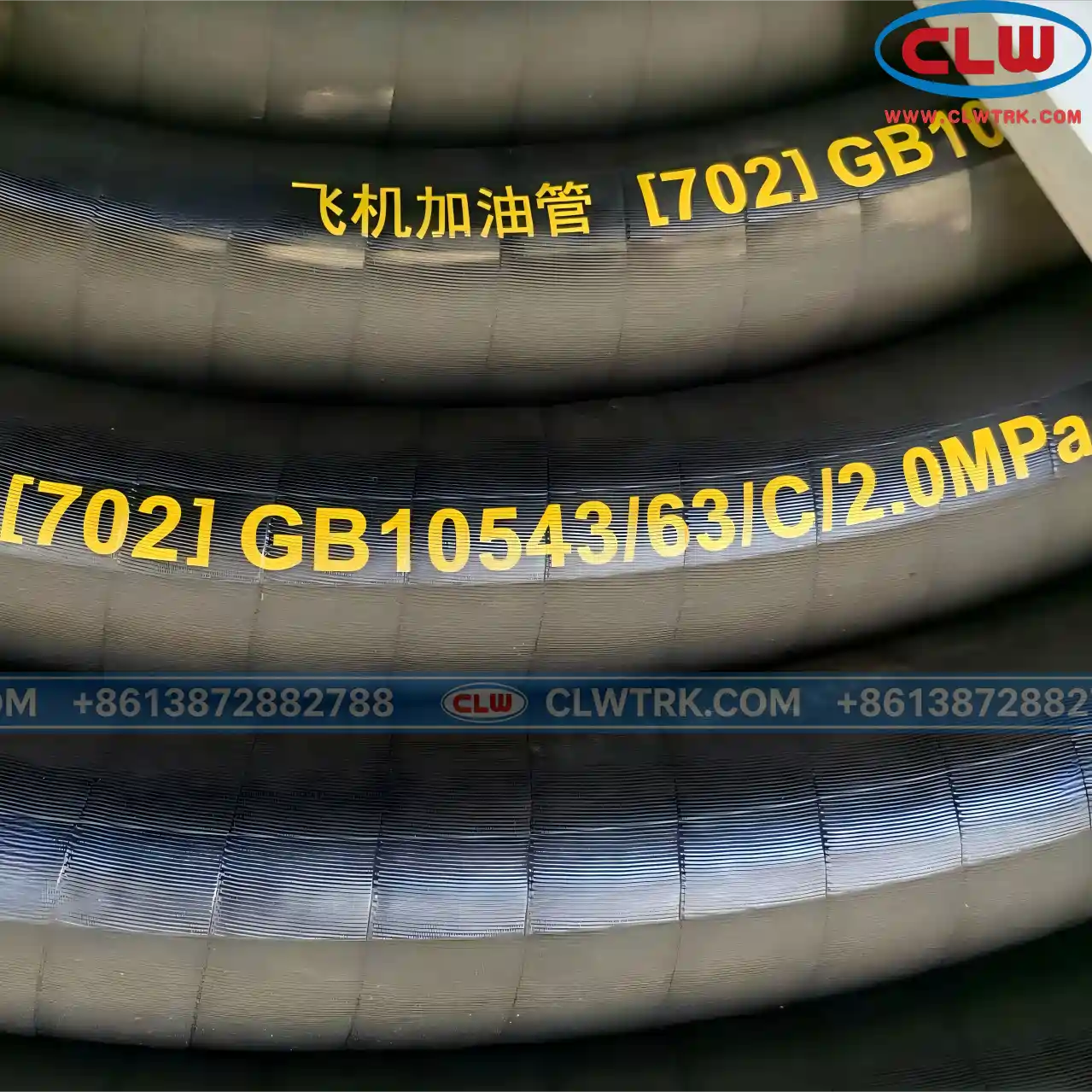
For cold climates, the truck can be configured with low-temperature resistant hoses, cold-resistant seals, suitable hydraulic oil, protected pipelines, battery protection and cold-start support.
Hot or Desert Environment
For hot or dusty areas, the configuration may include heat-resistant hoses, enhanced chassis cooling, dust protection, heavy-duty air intake filtration and suitable paint or coating.
Coastal or Humid Area
For coastal airports and humid regions, anti-corrosion coating, stainless steel components, sealed electrical connectors and corrosion-resistant fasteners can be considered.
Manufacturing Inspection and Functional Testing
Before delivery, the 4×2 aircraft refueler truck can be inspected through tank testing, pipeline testing and system operation checks. The inspection process helps confirm tank integrity, pipeline sealing, pump operation and safety device function.
Typical inspection items include:
•Chassis inspection
•Tank appearance and dimension check
•Welding seam visual inspection
•Tank leak test
•Pipeline pressure test
•Valve sealing test
•Pump operation test
•Flow meter installation check
•Filter separator installation check
•Hose reel operation test
•Grounding system check
•Emergency stop function check
•Control panel operation check
•Final painting and appearance inspection
Additional inspection requirements can be arranged according to project specification or airport authority requirements.
4x2 Aircraft Refueler vs 6x4 Aircraft Refueler
| Item | 4×2 Aircraft Refueler Truck | 6×4 Aircraft Refueler Truck |
|---|---|---|
| Typical Tank Capacity | 8-15 CBM | 15-20 CBM or larger |
| Main Application | Small airfields, helicopters, private aviation | Medium-capacity airport fuel service |
| Chassis Size | Compact | Larger chassis |
| Maneuverability | Better for narrow areas | Better for higher payload |
| Lifting Platform | Usually not installed | Optional depending on layout |
| Equipment Compartment | Side-mounted or rear-mounted | More layout space available |
| Optional 4×4 | Possible for rough airfields | Less common |
| Fuel Service Range | Short-distance and flexible refueling | Higher-volume refueling operation |
The main difference is tank capacity, chassis size, layout space and operating scenario. The aviation fuel system can still be configured with filtration, metering, grounding, emergency shut-off and controlled fuel delivery according to project requirements.
Suggested Technical Specifications
| Item | Reference Specification |
|---|---|
| Product Name | 4×2 Aircraft Refueler Truck |
| Drive Type | 4×2 |
| Optional Drive Type | 4×4 |
| Tank Capacity | 8-15 CBM |
| Fuel Type | Jet A-1, aviation kerosene or other fuel |
| Tank Material | Carbon steel, stainless steel or aluminum alloy |
| Refueling Method | Overwing and/or underwing refueling |
| Pump Drive | PTO, hydraulic or independent power unit |
| Flow Meter | Mechanical or digital flow meter |
| Filtration | Aviation fuel filter separator |
| Hose Reel | Manual, electric or hydraulic hose reel |
| Equipment Compartment | Side-mounted or rear-mounted |
| Lifting Platform | Usually not installed |
| Safety System | Static grounding, emergency shut-off, deadman control, anti-overflow |
| Loading Method | Top loading or bottom loading |
| Chassis Options | ISUZU, Dongfeng, Foton, HOWO, FAW or others |
| Steering | Left-hand drive or right-hand drive |
| Application | Small airport, helicopter base, private aviation, regional airfield |
Information Required for Technical Proposal
To prepare a suitable configuration, the following information is usually required:
1、Required tank capacity: 8 CBM, 10 CBM, 12 CBM or 15 CBM
2、Fuel type: Jet A-1, aviation kerosene or other fuel
3、Preferred chassis brand
4、4×2 or 4×4 chassis requirement
5、Left-hand drive or right-hand drive
6、Emission standard
7、Operating country and climate conditions
8、Airport type or refueling site condition
9、Road condition: paved apron, unpaved road, remote airfield or mixed use
10、Required refueling method: overwing, underwing or both
11、Required pump flow rate
12、Flow meter type
13、Filter separator requirement
14、Hose reel and nozzle configuration
15、Side-mounted or rear-mounted equipment compartment
16、Bottom loading requirement
17、Deadman control and emergency shut-off requirement
18、Special documentation or inspection requirement
19、Quantity and delivery schedule
Get a Quotation for 4x2 Aircraft Refueler Truck
A suitable aircraft refueler configuration should be based on actual operating conditions, not only tank capacity. For an 8-15 CBM 4×2 aircraft refueler truck, important factors include chassis payload, airport road condition, fuel type, refueling method, equipment compartment layout, safety requirements and local emission standard.