
 EN
EN
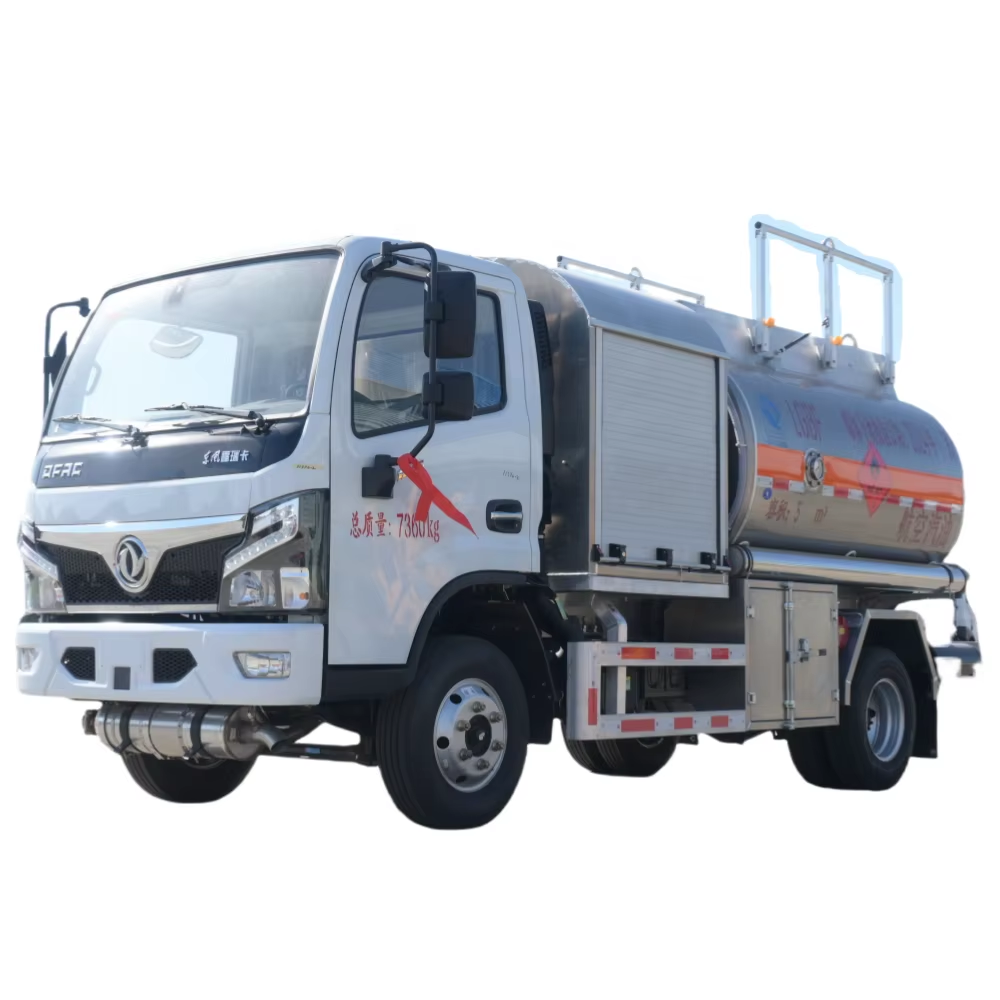
Design Adaptations for Diverse Airfield Types
Compact, All-Terrain Aircraft Refueling Trucks for Remote and Small Airfields
Refueling trucks used at small and remote airfields face serious challenges from rough terrain and poor infrastructure conditions. These vehicles are built short enough (typically under eight meters long) so pilots can drive them through tight spots on runways and crowded airport areas without getting stuck. They come with rugged all-terrain tires, raised frames, and reinforced suspensions that keep things steady when driving over dirt paths or bumpy ground common at basic airstrips. The trucks also have light weight aluminum shells which help carry extra fuel without making steering difficult, plus automatic hoses that let one person handle refueling safely and quickly. According to last year's IATA Ground Operations report, these design improvements cut down waiting times during refuel stops at isolated locations by around thirty percent compared to older models.
Military-Grade Aircraft Refueling Trucks: CBRN Protection, Off-Road Mobility, and Rapid Deployment
Military aircraft refueling trucks are built tough enough to handle the worst conditions on the battlefield or in remote areas where nothing works as planned. They come equipped with special filters that guard against chemical, biological, radiological, and nuclear threats, keeping the crew safe during refuel ops. The cabin itself is designed to withstand blasts according to military standards, so personnel stay protected even when things go sideways. For getting around rough terrain, these trucks have heavy duty axles, locking differentials, and adjustable tire pressure systems that grip through sand, mud, and deep snow. Their approach and departure angles are pretty impressive too, clocking in above 35 degrees which means they can navigate tricky spots without getting stuck. With their own onboard power sources and lights all around the vehicle, they're ready to deploy quickly at any hour of day or night. Plus, the electronic systems are shielded against electromagnetic pulses, making sure everything keeps working even if enemy forces try to fry them. These trucks can operate reliably whether it's freezing cold at -40 degrees Celsius or sweltering hot up to 55 degrees Celsius, no drop off in performance whatsoever.
Operational Flexibility Across Airport Scale and Layout
Ergonomic and Dimensional Optimizations for Tight Aprons and Low-Altitude Ramps
Regional airports and older facilities often have really tight spaces where planes park, narrow taxi paths, and ramps that barely clear aircraft tails. This means pilots and ground crews need to be super careful when moving around. The specialized refueling trucks used here are designed specifically for these tight spots. They're built small enough to fit in under 8 meters long, can turn on a dime with radius under 12 meters, and come with those low profile driver cabins that give almost all around visibility. Operators can get within just 30 centimeters of plane wings without risking damage. These trucks also have hydraulic systems that level them out even if the ramp is bumpy or sloped. And the fuel tanks sit lower to the ground which helps keep everything stable when strong winds blow across the tarmac. According to recent airside safety reports from 2023, these design improvements have actually reduced ground accidents by about 27% at places where space is at a premium.
High-Capacity, Dual-Pump Aircraft Refueling Trucks for Busy Hub Airports
The big international airports need more than just space for planes they want real throughput, dependable service, and everything working together smoothly. With dual pumping systems in place, technicians can fuel two smaller planes at once or one large wide-body aircraft within around 15 minutes flat. This cuts down on how long planes sit waiting to take off by roughly 20 percent according to recent data from several major airports. Fuel tanks hold over 30 thousand liters each which means fewer trips back and forth between storage areas and distant gates where planes park. The flow meters automatically send readings straight into the airport's computer system for tracking purposes. And let's not forget about the hardware itself these trucks have extra strong frames and brakes designed specifically for constant starting and stopping when loaded down with thousands of kilograms worth of jet fuel day after day without breaking down even during peak operation hours.
Fuel System Compatibility and Future-Proofing
Modular Aircraft Refueling Trucks Supporting Jet A, Avgas, and Sustainable Aviation Fuel (SAF)
The aviation industry is moving away from carbon-based fuels, and now modular fuel systems aren't just nice to have but absolutely necessary for most operations. Today's refueling trucks can handle different types of fuel including regular Jet A, aviation gasoline known as Avgas, and the newer Sustainable Aviation Fuel or SAF. These trucks come equipped with parts that can be swapped out depending on what fuel is being used. Think about things like special hoses, seals, and pumps designed specifically for working with up to pure 100% SAF mixtures. This kind of flexibility helps prevent wear and tear problems that happen when dealing with concentrated SAF blends, so companies don't have to replace their entire fleets all at once. Smart sensors built into these systems work alongside predictive analytics software to get the fuel mixing right in real time. According to recent data from 2024, this setup cuts down on wasted fuel somewhere between 7% and 12%. For airlines looking ahead, this means staying compliant with regulations while getting more years out of existing equipment and preparing for stricter environmental rules that are likely coming down the road.
Hydrant vs. Tanker Delivery Integration: Configurable Interfaces for Global Airports
Airports around the world have completely different fuel setups. Some big international hubs use those high pressure hydrant systems while smaller or remote airports rely on tankers bringing fuel right to the gate. The solution? Configurable interfaces that work across these different systems. These universal couplers can connect to either hydrants or tankers. There's also smart software that controls the flow rate so it doesn't overflow or leak. Plus there are built in safety checks to make sure everything meets local regulations like NFPA 30 and CSA B149.3 standards. This kind of flexible design means airlines don't need separate equipment for each type of fuel system. Operators can just go from one gate to another without wasting time switching gear. Real world tests show planes get back into service about 15 percent quicker when dealing with mixed infrastructure situations. Looking ahead, manufacturers are already working on new versions with hydrogen compatible valves and sensors that detect electric fuels. These updates will help meet the strict environmental targets set for 2030 and beyond.
Regional Regulatory and Infrastructure Drivers
The specs for aircraft refueling trucks get shaped pretty heavily by what rules apply where they operate and how different places handle their infrastructure. European countries stick to EN fire safety standards which means their trucks need parts that won't explode and better ways to contain spilled fuel. Over in North America, the FAA wants collision avoidance tech on board these vehicles including things like sensors that detect nearby objects and brakes that kick in automatically when needed. Then there's Japan, located in earthquake-prone areas, where manufacturers reinforce truck frames according to JIS standards to withstand tremors. Differences in airport infrastructure also matter a lot. Airports connected to underground fuel lines need special quick connect fittings, but out in remote locations with no such connections, refuelers have to carry extra fuel tanks and come equipped with generators so they can work independently from the grid. Emissions regulations are pushing changes too. Places like Singapore aiming for carbon neutrality by 2024 are already seeing more electric and hybrid models being deployed. For companies wanting to move their trucks between countries without constant modifications, finding the right balance between meeting local laws and keeping equipment compatible across platforms remains challenging unless they invest in modular designs built specifically for this kind of flexibility.
FAQ
What design features help refueling trucks navigate rough terrain?
Refueling trucks designed for rough terrain often feature all-terrain tires, raised frames, reinforced suspensions, and lightweight aluminum shells to handle obstacles and maintain maneuverability.
How do military-grade refueling trucks protect against threats?
Military-grade refueling trucks come with special filters for CBRN protection, blast-resistant cabins, and shielded electronic systems to handle extreme conditions and threats.
Why are modular fuel systems important for refueling trucks?
Modular fuel systems allow trucks to handle various fuel types, including Jet A, Avgas, and SAF, with interchangeable parts, decreasing wear and maintaining compliance with environmental regulations.
How do configurable interfaces benefit airport fuel delivery?
Configurable interfaces allow refueling trucks to connect to different airport fuel systems, such as hydrants and tankers, saving time and avoiding the need for separate equipment.
What regional regulations impact aircraft refueling truck design?
Regulations influencing truck design include EN fire safety standards in Europe, FAA requirements for collision avoidance in North America, and JIS standards for earthquake resistance in Japan.
Table of Contents
- Design Adaptations for Diverse Airfield Types
- Operational Flexibility Across Airport Scale and Layout
- Fuel System Compatibility and Future-Proofing
- Regional Regulatory and Infrastructure Drivers
-
FAQ
- What design features help refueling trucks navigate rough terrain?
- How do military-grade refueling trucks protect against threats?
- Why are modular fuel systems important for refueling trucks?
- How do configurable interfaces benefit airport fuel delivery?
- What regional regulations impact aircraft refueling truck design?