
 EN
EN
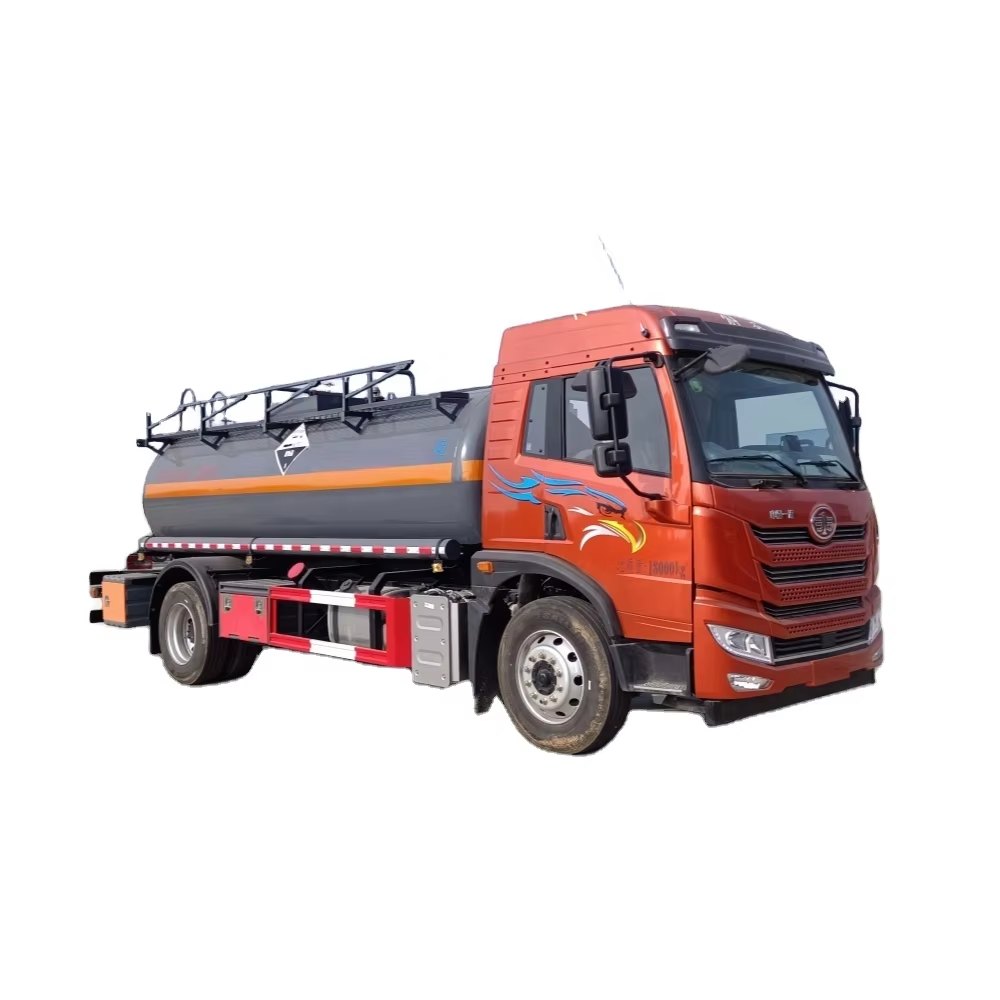
Why 304 Stainless Steel Is Ideal for Tanker Truck Construction
Chemical Composition of 304 Stainless Steel and Its Role in Performance
The mix of 18% chromium and 8% nickel in 304 stainless steel gives it a solid structure that stands up to oxidation and keeps its strength even when stressed. The chromium creates an oxide layer on the surface that basically fixes itself whenever it gets damaged, protecting against rust and corrosion. Nickel adds another benefit by making the material more flexible and better able to handle temperature changes without breaking down. Because of these properties, this type of steel works really well for moving around all sorts of sensitive materials. We see it used everywhere from chemical plants handling aggressive substances to food processing facilities where purity standards are extremely important for things like dairy products or pharmaceuticals.
Superior Corrosion Resistance in Harsh Industrial Environments
When put through saltwater testing, 304 stainless steel shows corrosion rates below 0.1 mm per year, which is actually around ten times better than what we see with regular carbon steel. The material stands up pretty well against things like organic acids, chloride compounds, and even strong alkaline solutions. Because of this resistance profile, many industries choose 304 stainless when they need to transport stuff like fertilizers, various petroleum products, or cleaning chemicals. Looking at real world data from a recent report published in 2023 by the International Stainless Steel Forum, companies using 304 grade tanks experienced about 40 percent less downtime for maintenance work across their chemical transport operations compared to those who stuck with aluminum options instead.
Mechanical Strength, Ductility, and Impact Toughness of 304 Steel
With tensile strengths exceeding 505 MPa, 304 stainless steel supports payloads over 50,000 lbs without permanent deformation. Its 70% elongation-at-break allows tanks to absorb road vibrations and impacts without cracking. Crash simulations show 304 tanks retain 98% structural integrity at 25 mph impact speeds, demonstrating exceptional resilience under dynamic stress.
Ease of Welding and Fabrication in 304 Tanker Manufacturing
When working with 304 stainless steel, standard TIG and MIG welding methods create really solid joints that save around a fifth of the time needed for similar work on duplex steels. The material doesn't conduct heat as readily, so there's much less warping when putting things together. This makes it possible to build those intricate parts like storage compartments, flow dividers, and outlet structures with greater accuracy. Factory floor reports show tooling expenses drop by roughly 30% because 304 works so well with machine tools and fits nicely into automated production lines. Many shop owners mention this cost savings as a major factor in their material selection process.
Key Industrial Applications of 304 Tanker Trucks
Safe Transport of Chemicals Using 304 Stainless Steel Tankers
Global chemical logistics is expected to hit around $740 billion by 2025 according to Freight & Tank Wagon Outlook 2025-2034 report. This growth means there's increasing need for materials that can stand up against harsh chemicals like acids, solvents, and strong bases. What makes 304 stainless steel so valuable here? It contains about 18% chromium and 8% nickel which creates a protective barrier on the surface. This passive layer helps prevent those annoying pits from forming when exposed to stuff like hydrochloric acid or sodium hydroxide. Because of these characteristics, many companies rely on 304 stainless steel tanker trucks for transporting dangerous chemicals safely across long distances.
- Petrochemical plants transferring refinery byproducts
- Agricultural suppliers transporting liquid fertilizers
- Industrial manufacturers moving bulk degreasers
Food and Beverage Logistics: Hygiene and Compliance with 304 Tanks
Stainless steel grade 304 has that smooth non porous surface which actually complies with those strict FDA regulations under 21 CFR Part 117 when it comes to moving food products around. Plus these tanks work great with those automated cleaning systems known as CIP. The material really helps stop bacteria from growing during transport, especially important for things like milk deliveries or juice transportation where temperature control matters so much. Some recent research back in 2024 found something pretty impressive too. Tanks made from 304 stainless cut down on contamination problems by nearly 92 percent when compared against traditional carbon steel tanks that had been lined for similar purposes.
Pharmaceutical and Sanitary Transport Requirements Met by 304 Steel
An electropolished finish (Ra <0.5 µm) enables 304 steel to comply with WHO GMP guidelines for sterile pharmaceutical transport. The material preserves API (Active Pharmaceutical Ingredient) purity by resisting chloride-induced stress corrosion, eliminating iron leaching risks, and withstanding steam sterilization at 150°C without deformation.
Service Life Comparison: 304 Stainless vs. Carbon Steel Tankers
Most carbon steel tankers need replacing around the 10 to 15 year mark when used in industrial settings according to a recent Material Degradation Study from 2024. By contrast, tanks made from 304 stainless steel often stay in service for over half a century facing similar conditions. Things get even worse near coastlines where salt air cuts carbon steel's life down to roughly 8-12 years. Stainless steel versions handle these harsh environments much better lasting anywhere from 30 to 40 years if cleaned regularly. The difference shows up clearly in maintenance schedules too. Stainless steel tankers usually go 7 to 10 years between big repairs while carbon steel ones typically need attention every 2 or 3 years. Looking at actual costs makes this even clearer. Fleet operators reported spending about $18,500 each year fixing corrosion damage on carbon steel units compared to only $2,100 for their stainless counterparts. These numbers tell us why many companies are switching materials despite higher upfront costs.
Customization Options for 304 Tanker Trucks to Fit Specific Needs
Adjustable Tank Geometry and Capacity for Targeted Applications
The formability of 304 stainless steel makes it possible to customize tank sizes pretty much however needed. Tanks can range from 6 feet to 10 feet in diameter and go as long as 50 feet, which helps match specific volume needs. This is particularly important when dealing with chemicals that require around 30% extra space compared to regular food grade applications. The sloped bottom design, typically between 3 degrees and 7 degrees angle, really helps get those thick substances out completely, think syrups or sticky adhesives. And for companies transporting multiple products at once, having separate compartments inside the tank stops different materials from mixing together accidentally. Some recent research back in 2023 showed that tanks with better shaped geometry actually leave behind about 18% less product waste compared to old fashioned round tanks. That kind of efficiency matters a lot in operations where every drop counts.
Integration of Piping, Valves, and Insulation Systems
The reinforced valve clusters rated between 150 and 300 PSI are built to tackle those tough abrasive slurries head on. What makes them stand out is the weldability of 304 steel, which creates joints so tight they actually last around 40% longer than regular carbon steel ones when exposed to salt spray conditions according to those ASTM B117 tests from last year. For keeping things cool, we've got multi layer polyurethane foam insulation ranging from 3 inches thick up to 6 inches deep. This setup keeps cargo temps stable within just plus or minus 2 degrees Celsius over three full days straight, something absolutely essential for maintaining the integrity of pharmaceutical products during transport. Fleet operators who participated in recent 2024 industry surveys reported seeing maintenance intervals drop by roughly 22% when switching to these custom designed systems instead of sticking with standard tanks.
Total Cost of Ownership: Evaluating the Value of 304 Tanker Trucks
Despite higher initial investment, 304 stainless steel tanker trucks offer superior long-term economics through extended service life and minimal maintenance. Their chromium-nickel alloy composition delivers unmatched resistance to corrosion and degradation, directly reducing operational disruptions and repair expenses.
Balancing Higher Initial Cost with Long-Term Lifecycle Savings
304 stainless steel tankers cost 25–40% more upfront than carbon steel models, but deliver 60–70% lower maintenance costs over 15 years. A 2025 Commercial Fleet Analysis Report found these units require 47% fewer part replacements and 33% less unplanned downtime, translating to $18,200 in annual savings per tanker from reduced labor and material expenditures.
Reduced Maintenance and Downtime Costs with 304 Stainless Steel
The inert surface of 304 steel prevents internal scaling, cutting cleaning frequency by 52% in chemical transport. Major refurbishments are needed only every 7.3 years on average, compared to every 3.1 years for epoxy-lined carbon steel tanks. By extending service intervals, operators avoid the $4,700/day revenue loss associated with depot downtime.
The Economic Paradox: Investing More Upfront to Save Over Time
Top logistics companies typically see around 19 to 23 percent less total cost across the entire life cycle when they go with 304 stainless steel instead of other materials, thanks to its ability to last well over three decades. Sure, upfront expenses run about $285k per unit compared to just $195k for regular carbon steel options. But what most people overlook is that stainless steel actually saves roughly $912k in the long haul because it lasts so much longer and keeps its resale value intact. For transporting things like chemicals or food products that need strict purity standards, this makes all the difference. The stainless doesn't corrode or contaminate cargo, which means fewer headaches with regulations and safer operations overall. Many warehouse managers have told me this approach pays off handsomely even though the price tag looks intimidating at first glance.
FAQ
Why is 304 stainless steel chosen over other materials for tanker trucks?
304 stainless steel is selected for its excellent corrosion resistance, mechanical strength, and ease of fabrication. It provides a longer service life and requires less maintenance, making it a cost-effective choice over time.
How does 304 stainless steel improve transportation safety in tanker trucks?
The non-corrosive surface of 304 stainless steel prevents contamination and cargo degradation, ensuring food, chemical, and pharmaceutical products are transported safely and securely.
What are the maintenance benefits of using 304 stainless steel in tanker trucks?
Due to its durability and resistance to oxidation, 304 stainless steel tankers require fewer repairs and less frequent cleaning, translating to reduced downtime and lower maintenance costs.