
 EN
EN
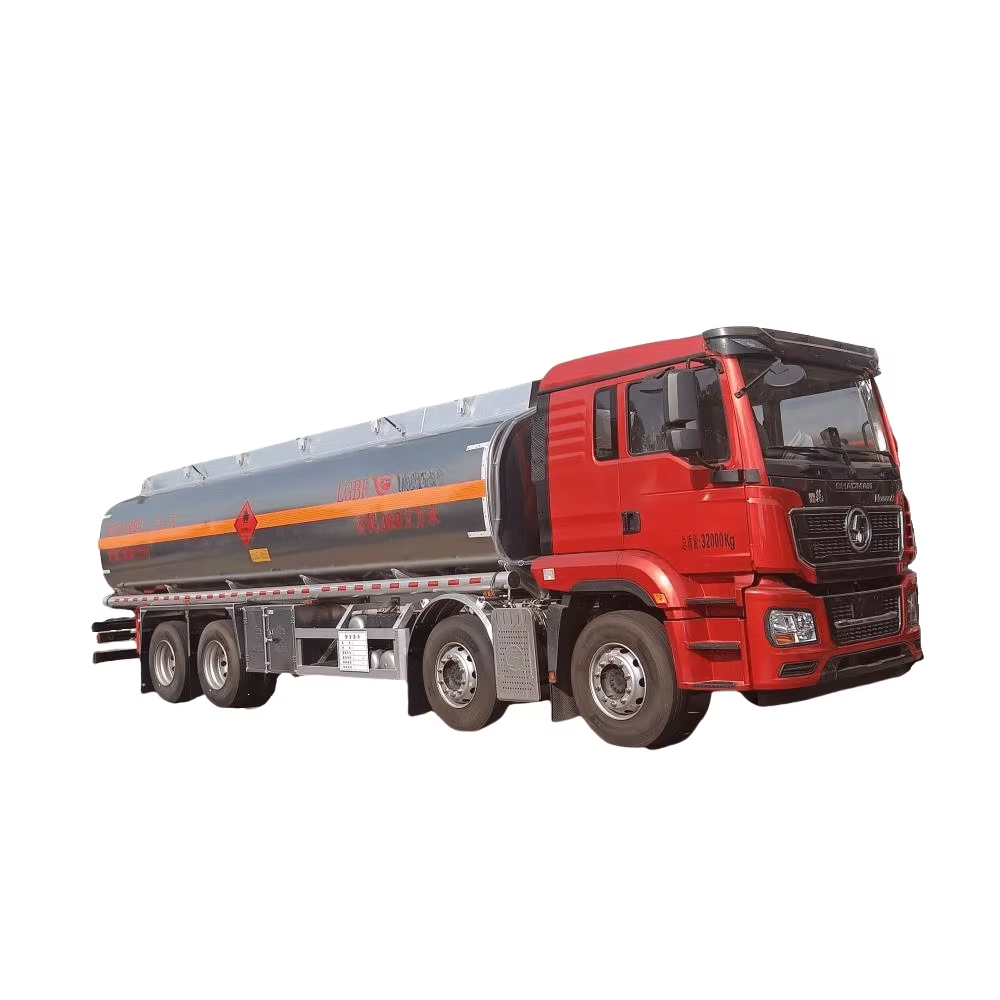
DOT and International Regulatory Frameworks for Chemical Tanker Trucks
Overview of DOT Regulations and 49 CFR Compliance for Chemical Tanker Truck Operations
Under the U.S. Department of Transportation's 49 Code of Federal Regulations (often called 49 CFR by those in the industry), there are pretty tough rules about how chemical tankers must be built and operated when moving dangerous substances around. The specs require tanks that can handle pressure, materials that won't corrode over time, and regular checks to make sure everything stays intact. Companies that ignore these rules face serious consequences though. Fines can go well beyond $80k for each violation according to recent data from FMCSA in 2023. That kind of money adds up fast, which is why most responsible operators stick closely to the guidelines. After all, nobody wants a leaky truck on the highway putting communities at risk while also facing huge financial hits down the road.
Hazardous Materials Transportation Safety Frameworks Under HMR and International Standards
U.S. Hazardous Materials Regulations (HMR) align with international frameworks such as the European ADR agreement, harmonizing labeling, tank specifications, and driver training across borders. This alignment streamlines cross-jurisdictional transport while maintaining consistent safety protocols for flammable, corrosive, and toxic substances.
Alignment of Chemical Tanker Truck Protocols with UNECE and ISO Guidelines
Chemical tanker truck operations increasingly follow ISO 16111 for compressed gas transport and UNECE WP.15 standards for pressure vessel safety. These global guidelines standardize material specifications and testing procedures across 56 countries, facilitating compliance for multinational logistics providers.
Federal and State Regulatory Bodies Governing Chemical Tanker Truck Compliance
Regulatory oversight is shared among key agencies:
- Federal Motor Carrier Safety Administration (FMCSA): Enforces vehicle maintenance and driver hours-of-service rules
- Pipeline and Hazardous Materials Safety Administration (PHMSA): Manages tank design certifications and hazardous materials compliance
- State Environmental Agencies: Conduct unannounced inspections of spill containment and tank cleaning procedures
This layered approach ensures accountability at federal, state, and operational levels.
Safety-Critical Components: Tank Design, Materials, and Engineering Controls
Material Selection: Stainless Steel, Aluminum, and Polymers in Chemical Tanker Truck Design
When it comes to building chemical tankers, stainless steel still reigns supreme as the go-to material, accounting for about 72 percent of all new vessels constructed last year according to industry reports. This preference makes sense since stainless stands up well against both acids and alkalis that would eat away at other materials. For certain types of cargo that aren't so aggressive chemically speaking, aluminum alloys can actually save around 30% in weight compared to steel, which helps ships burn less fuel during transport. But when dealing with really nasty stuff like hydrofluoric acid, nothing beats polymer lined tanks. These special compartments come equipped with sophisticated sealing technology that keeps the corrosive cargo from touching the actual tank surfaces, something that could spell disaster if left unchecked. The right lining choice literally means the difference between safe transportation and expensive repairs down the road.
Safety Vents, Pressure Relief Devices, and Rollover Valves in Modern Tanker Trucks
Dual-stage pressure relief valves activate at 35–40 psi to prevent overpressure during thermal expansion. Rollover protection systems have reduced catastrophic failures by 73% since 2018 (DOT Tank Truck Safety Report 2023). Vapor recovery vents maintain negative pressure during loading and unloading, minimizing emissions and exposure risks.
Emergency Shut-Off Systems and Grounding Mechanisms for Static Discharge Prevention
Automated shutoff systems—triggered by impact sensors or sudden pressure drops—reduce spill volume by 91% compared to manual valves. Conductive grounding straps limit static discharge to below 25 millijoules, effectively preventing ignition of flammable liquids such as acetone and ethanol.
Trend Analysis: Shift Toward Composite Linings and Corrosion-Resistant Coatings
Epoxy-polyamide hybrid linings now protect more chemical tanker trucks than in 2020, resisting up to 98% sulfuric acid concentrations. Ceramic-embedded coatings enhance durability when transporting abrasive materials like sodium hydroxide crystals, doubling service life in high-wear applications.
Environmental Impact of Chemical Spills and Leak Prevention Through Engineering Controls
Secondary containment and double-walled tank designs have reduced hazardous material releases by 58% from 2015 to 2022 (EPA Chemical Transport Report 2023). Leak detection sensors placed every 12 feet along seams detect flows as small as 0.5 mL/minute, enabling early intervention before environmental damage occurs.
Operational Safety: Driver Training, Certifications, and Emergency Preparedness
Hazmat Endorsement Requirements and Testing for Chemical Tanker Truck Operators
Drivers must obtain a Hazmat endorsement through written exams on 49 CFR regulations, hands-on tank inspections, and background checks. Fleets that invest in certified training programs report a 40% lower accident rate compared to those without structured instruction (CLW Trucking, 2023).
Certified Environmental Trainer Program (CETP) and Its Role in Tanker Safety
The CETP certification requires 16 hours of annual training in spill containment, PPE use, and chemical compatibility. States mandating CETP participation report 28% fewer environmental violations in chemical tanker operations (DOT, 2023), highlighting its effectiveness in reinforcing best practices.
Ongoing Training Protocols for Emergency Response and Spill Mitigation in Tanker Operations
Biannual emergency drills simulate tank breaches and toxic exposures, involving coordinated responses with local fire departments. Exercises include deploying absorbent booms, neutralizing agents, and establishing evacuation zones. Fleets with formal training programs reduce spill-related fines by 52% over three years.
Controversy Analysis: Variability in State-Level Enforcement of Driver Certification Standards
While federal regulations set baseline requirements, 34% of states lack mechanisms to verify ongoing competency after initial certification. This inconsistency affects adoption of critical technologies like vapor detectors and automatic shutoff systems. Since 2022, seven states have launched cross-border audits to promote uniform enforcement.
Inspection, Maintenance, and Technology for Chemical Tanker Truck Integrity
Pre-Trip and Periodic Inspection Checklists for Chemical Tanker Trucks
Operators must perform pre-trip inspections covering structural integrity, valve seals, and pressure relief systems. Periodic evaluations expand to corrosion assessment, lining condition, and compliance with DOT guidelines. Standardized checklists have reduced inspection oversights by 31% (2023 industry report).
DOT Audit Procedures and Documentation for Tanker Maintenance Records
DOT audits require detailed logs of repairs, material compatibility tests, and component replacements. In 2022, incomplete records accounted for 78% of audit citations. Fleets using cloud-based recordkeeping resolved discrepancies 40% faster than those relying on paper systems (2023 Chemical Transport Safety Report).
Case Study: Preventive Maintenance Reducing Risk of Chemical Leakage by 42%
A 2023 study of 800 chemical tanker trucks found that predictive maintenance—replacing seals at 90% wear and rotating valves biannually—reduced leakage incidents from 12.7% to 7.3%. This strategy cut emergency response costs by $740,000 annually and aligned with ISO 9001 asset management principles.
Innovations in Sensor Technology for Real-Time Tank Integrity Monitoring
Modern tankers use ultrasonic thickness sensors and AI analytics to detect micro-fractures and corrosion in real time. A pilot program showed sensor-equipped fleets identified 95% of defects during normal operations, compared to 68% via manual inspections. These systems integrate with compliance dashboards, automatically flagging units needing recertification under 49 CFR §180.407.
FAQ
What are the key frameworks governing chemical tanker trucks?
Key frameworks include the U.S. Department of Transportation's 49 CFR, international standards like the European ADR agreement, and ISO and UNECE guidelines. These frameworks ensure safety and compliance for hazardous material transport across borders.
How do DOT regulations impact chemical tanker truck operations?
DOT regulations require durable tank designs, enforce regular inspections, and mandate specific placarding and labeling for hazardous materials. Non-compliance can result in significant fines and increased safety risks.
What materials are commonly used in chemical tanker truck design and why?
Stainless steel, aluminum, and polymers are used. Stainless steel is favored for its resistance to acids and alkalis, aluminum is lighter and more fuel-efficient, and polymers are used for highly corrosive substances to prevent damage.
How do emergency shut-off systems on tanker trucks work?
Emergency shut-off systems are automated and triggered by impact sensors or sudden pressure drops, reducing spill volume significantly. They also include conductive grounding straps to prevent static discharge.
Table of Contents
-
DOT and International Regulatory Frameworks for Chemical Tanker Trucks
- Overview of DOT Regulations and 49 CFR Compliance for Chemical Tanker Truck Operations
- Hazardous Materials Transportation Safety Frameworks Under HMR and International Standards
- Alignment of Chemical Tanker Truck Protocols with UNECE and ISO Guidelines
- Federal and State Regulatory Bodies Governing Chemical Tanker Truck Compliance
-
Safety-Critical Components: Tank Design, Materials, and Engineering Controls
- Material Selection: Stainless Steel, Aluminum, and Polymers in Chemical Tanker Truck Design
- Safety Vents, Pressure Relief Devices, and Rollover Valves in Modern Tanker Trucks
- Emergency Shut-Off Systems and Grounding Mechanisms for Static Discharge Prevention
- Trend Analysis: Shift Toward Composite Linings and Corrosion-Resistant Coatings
- Environmental Impact of Chemical Spills and Leak Prevention Through Engineering Controls
-
Operational Safety: Driver Training, Certifications, and Emergency Preparedness
- Hazmat Endorsement Requirements and Testing for Chemical Tanker Truck Operators
- Certified Environmental Trainer Program (CETP) and Its Role in Tanker Safety
- Ongoing Training Protocols for Emergency Response and Spill Mitigation in Tanker Operations
- Controversy Analysis: Variability in State-Level Enforcement of Driver Certification Standards
- Inspection, Maintenance, and Technology for Chemical Tanker Truck Integrity
- FAQ